Portable Oxygen Concentrators for Seniors: Enhancing Freedom and Health
Facts:
- Over 6 million Americans rely on oxygen therapy.
- Demand for lightweight medical oxygen devices is trending upward for senior respiratory health.
Navigating Independence with a Portable Oxygen Concentrator
For many older adults, maintaining an active lifestyle can be challenging, especially when dealing with respiratory conditions that necessitate supplemental oxygen. A portable oxygen concentrator offers a revolutionary solution, providing the necessary oxygen therapy without the constraints of traditional oxygen tanks. These compact, battery-powered devices allow seniors to leave their homes, travel, and engage in social activities with greater ease and confidence, significantly enhancing their quality of life. Understanding the benefits and operational aspects of these essential medical oxygen devices is crucial for making informed decisions about senior respiratory health.
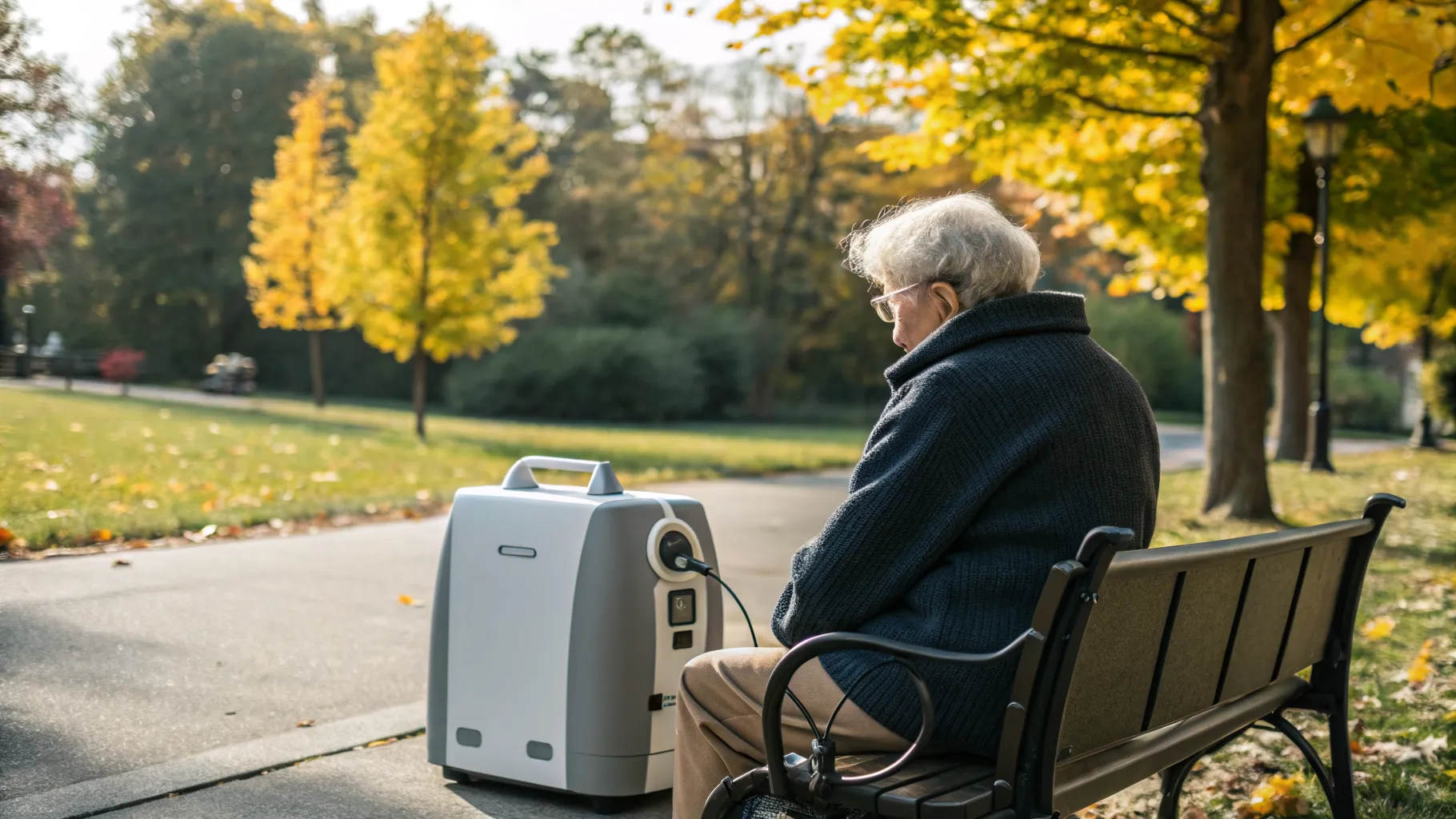
Understanding Portable Oxygen Concentrators
Portable oxygen concentrators are sophisticated medical devices designed to extract oxygen from ambient air, concentrating it to provide a continuous or pulse dose of medical-grade oxygen. Unlike heavy oxygen tanks that require refills and are often cumbersome, these concentrators are lightweight and use a molecular sieve system to filter out nitrogen and other gases, delivering purified oxygen directly to the user. This innovative technology has transformed oxygen therapy for seniors, making it more accessible and less restrictive than ever before. Knowing the differences between various models is key to finding the perfect fit for individual needs, from short outings to extended travel.
Pulse Dose vs. Continuous Flow Systems
The two primary types of portable oxygen concentrators are pulse dose and continuous flow. Pulse dose concentrators deliver oxygen in measured bursts when the user inhales, conserving oxygen and extending battery life. These are typically smaller and lighter, making them ideal for active seniors who require oxygen intermittently. Continuous flow concentrators, on the other hand, provide a steady stream of oxygen, similar to traditional tanks. While often larger and heavier with shorter battery lives, they are essential for seniors with more severe respiratory conditions requiring constant oxygen delivery. The choice between these systems depends heavily on the individual's prescribed oxygen requirements and lifestyle. Consulting with a healthcare provider is paramount to determine the most appropriate type for effective senior respiratory health management.
Key Benefits of Oxygen Therapy for Seniors
The advantages of utilizing a portable oxygen concentrator extend far beyond mere convenience. For seniors experiencing conditions like COPD, emphysema, or other chronic respiratory illnesses, consistent oxygen therapy for seniors can dramatically improve physical endurance, reduce shortness of breath, and enhance cognitive function. By ensuring adequate oxygen saturation, these devices help reduce strain on the heart and lungs, promoting better sleep patterns and overall energy levels. This newfound freedom from dependence on stationary oxygen sources or heavy tanks empowers seniors to maintain their social connections, pursue hobbies, and travel, all of which contribute significantly to mental well-being and a higher quality of life. The psychological uplift from regaining independence cannot be overstated.
Choosing the Right Medical Oxygen Devices
Selecting the appropriate medical oxygen devices, specifically a portable oxygen concentrator, involves evaluating several critical factors. The market offers a wide array of models, each with unique specifications tailored to different needs and lifestyles. Careful consideration of weight, battery life, oxygen delivery method, and purity levels is essential. Investing time in research and seeking professional guidance will ensure that the chosen device truly supports the individual's health and daily activities, making it a valuable addition to their home oxygen solutions.
Weight and Portability
For seniors, the weight of a portable oxygen concentrator is a paramount concern. Lighter models, often weighing less than five pounds, are much easier to carry, either with a shoulder strap or in a specially designed backpack. This enhances mobility and reduces physical strain, making it feasible for seniors to transport their oxygen source independently for errands, appointments, or leisurely walks. The ability to move freely is a cornerstone of maintaining an active and fulfilling lifestyle, directly impacting their quality of life.
Battery Life Considerations
Battery life is another crucial factor, directly dictating the duration a senior can spend away from a power source. Concentrators typically offer battery lives ranging from 3 to 10 hours, often with options for extended batteries. For those who enjoy long outings, travel, or have active social lives, a longer battery life or the availability of spare batteries is indispensable. Understanding average usage patterns and planning for charging opportunities are vital aspects of managing effective oxygen therapy for seniors on the go.
Oxygen Purity and Flow Settings
The effectiveness of oxygen therapy for seniors hinges on the purity of the oxygen delivered and the precision of the flow settings. Most concentrators deliver oxygen at 90% purity or higher, which is medical-grade. The flow settings, whether pulse dose or continuous, must match the physician's prescription. Some devices offer adjustable settings, providing flexibility for different activity levels or changes in medical needs. Ensuring that the device can consistently meet the prescribed oxygen requirements is non-negotiable for maintaining optimal senior respiratory health.
Maintaining Your Home Oxygen Solutions
Proper maintenance of your portable oxygen concentrator is vital for its longevity and your safety. Regular cleaning and care ensure that the device operates efficiently and continues to deliver high-quality oxygen. A well-maintained concentrator provides reliable home oxygen solutions, giving peace of mind to seniors and their caregivers. Neglecting maintenance can lead to reduced performance, potential breakdowns, and compromise the effectiveness of your oxygen therapy for seniors.
- Filter Cleaning and Replacement: Regularly clean or replace the air filters as per the manufacturer's instructions. This prevents dust and debris from accumulating, which can impede oxygen production and potentially damage the internal components of the portable oxygen concentrator. A clogged filter can reduce the efficiency and purity of the oxygen delivered, impacting senior respiratory health.
- Battery Care: Follow guidelines for charging and storing batteries. Avoid completely draining batteries before recharging, as this can shorten their lifespan. Store spare batteries in a cool, dry place. Proper battery care ensures that your device is always ready when you need it, supporting uninterrupted oxygen therapy for seniors.
- Cannula and Tubing: Replace the nasal cannula and tubing periodically to maintain hygiene and prevent blockages. Over time, tubing can become stiff or cracked, affecting oxygen delivery. Clean the cannula tips regularly with mild soap and water. This simple step is crucial for preventing infections and ensuring effective delivery from your medical oxygen devices.
- Regular Professional Check-ups: Schedule periodic check-ups with a qualified technician or the device manufacturer. They can perform deeper diagnostics, calibrate settings, and address any potential issues before they become serious problems. These check-ups are an important part of ensuring the long-term reliability of your home oxygen solutions.
- Safe Storage: When not in use, store your portable oxygen concentrator in a clean, dry environment, away from extreme temperatures and direct sunlight. Protect it from physical damage and ensure it's not exposed to smoke or strong fumes, which can affect its operation and your senior respiratory health.
Overcoming Challenges and Common Concerns
While portable oxygen concentrators offer immense freedom, users may encounter common challenges. These include managing battery life on extended outings, understanding airline travel regulations for medical oxygen devices, and ensuring appropriate device settings for varying activity levels. Education and proactive planning are key to overcoming these hurdles. Many manufacturers provide detailed guides and customer support to help users navigate these issues effectively, ensuring that oxygen therapy for seniors remains a seamless part of their daily lives. Preparing for contingencies, such as having backup power solutions or understanding service options, can significantly reduce stress and enhance the overall experience.
The Future of Senior Respiratory Health Technology
The field of senior respiratory health technology, particularly for portable oxygen concentrators, is continuously evolving. Innovations are focusing on lighter devices, longer-lasting batteries, quieter operation, and even smart features that connect with health monitoring apps. These advancements promise even greater convenience, discretion, and personalization for individuals requiring oxygen therapy for seniors. As technology progresses, the integration of AI for predictive maintenance and personalized flow delivery could further revolutionize home oxygen solutions, making independent living more achievable and comfortable for millions worldwide. Staying informed about these developments will empower seniors to leverage the best tools available for their health.
Frequently Asked Questions
What is a portable oxygen concentrator?
A portable oxygen concentrator is a medical device that filters and concentrates oxygen from ambient air, delivering it to a user. It is much lighter and more convenient than traditional oxygen tanks, making it ideal for mobile use and enhancing oxygen therapy for seniors.
How long do batteries last on these medical oxygen devices?
Battery life varies significantly between models and flow settings, typically ranging from 3 to 10 hours. Many devices offer options for extended batteries or external battery packs to prolong usage time, which is critical for active seniors managing their senior respiratory health.
Can I travel on an airplane with a portable oxygen concentrator?
Most portable oxygen concentrators are approved for airline travel, but it is crucial to check with your airline beforehand, as regulations vary. You will typically need to provide a physician's statement and ensure you have enough battery life to cover your flight plus extra time, as required by aviation authorities for safe oxygen therapy for seniors.
Are there different types of home oxygen solutions for seniors?
Yes, home oxygen solutions include stationary oxygen concentrators for continuous use at home, and portable oxygen concentrators for mobility. There are also pulse dose and continuous flow portable models, each suited to different medical requirements and lifestyles, providing versatile options for senior respiratory health.
How do I clean and maintain my portable oxygen concentrator?
Maintenance typically involves regularly cleaning or replacing air filters, ensuring proper battery care, and periodically replacing nasal cannulas and tubing. It's also recommended to schedule professional check-ups. Always refer to your device's user manual for specific cleaning and maintenance instructions to ensure proper functioning of your medical oxygen devices.
References
- Global Initiative for Chronic Obstructive Lung Disease (GOLD) Reports.
- American Lung Association Guidelines on Oxygen Therapy.
- Clinical Respiratory Journal studies on portable oxygen technology.
- Patient advocacy group publications on senior health and mobility aids.
- Manufacturer specifications and user manuals for leading portable oxygen concentrator brands.
Authored by 24Trendz team