Achieving Permanent Relief from Seasonal Allergies: A Comprehensive Guide to Long-Term Treatment
Facts:
- Seasonal allergies affect millions globally.
- Pollen counts are projected to increase for allergy treatment.
Understanding the Roots of Seasonal Allergies for Lasting Relief
Living with seasonal allergies can be a persistent challenge, often leading to a cycle of discomfort and temporary solutions. Many individuals seek not just symptom management, but genuine permanent relief from the recurring sneezing, itching, and congestion that accompany changing seasons. This comprehensive guide delves into the underlying mechanisms of allergic reactions and explores various advanced approaches to achieve long-term freedom from these pervasive allergy symptoms.
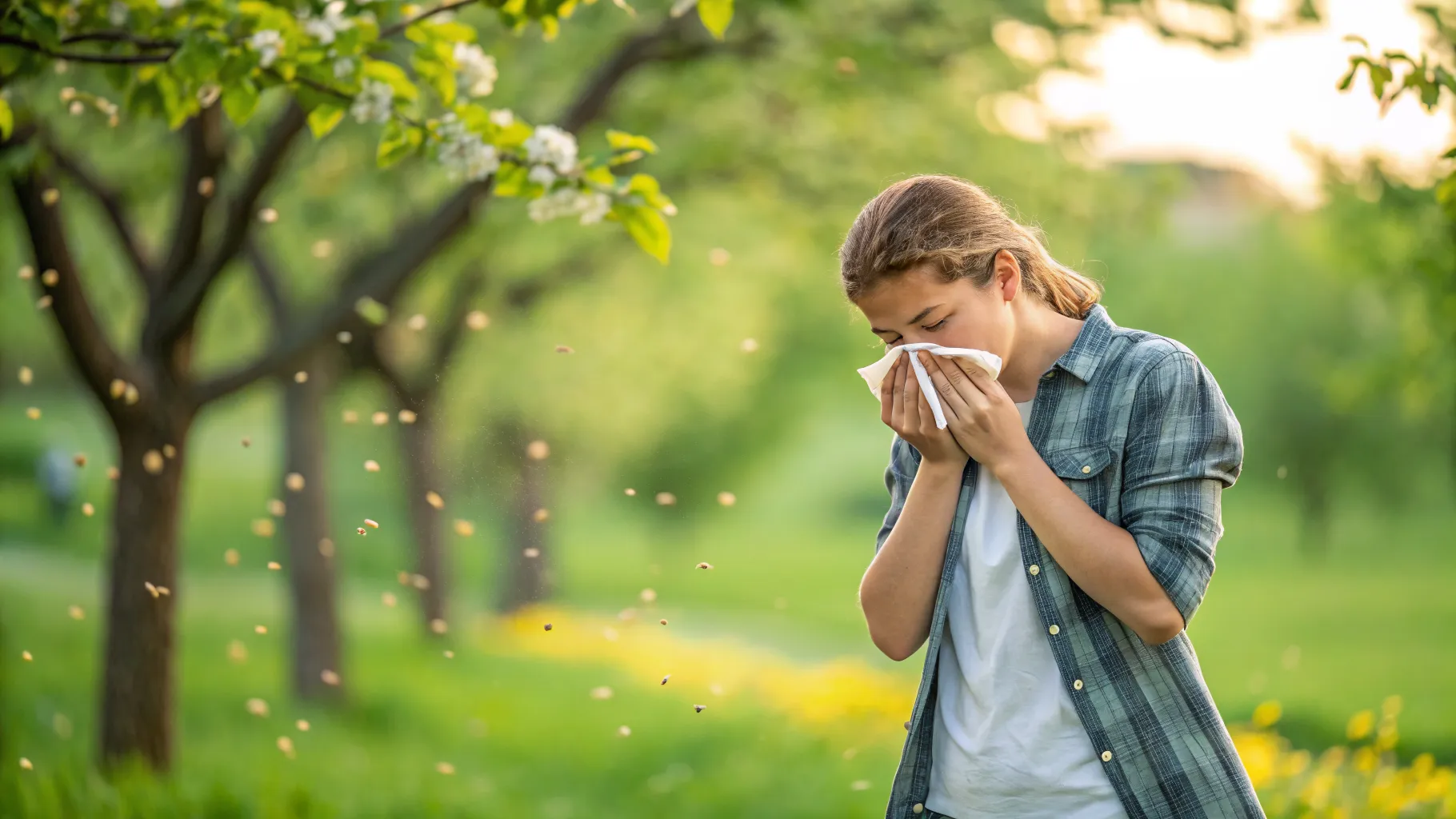
Beyond Symptomatic Management: Seeking Permanent Relief for Seasonal Allergies
While over-the-counter antihistamines and decongestants offer temporary respite, they do not address the root cause of seasonal allergies. These medications primarily mask allergy symptoms, providing a quick fix that often wears off, leaving sufferers back where they started. For true permanent relief, it's crucial to shift focus from merely alleviating symptoms to modifying the body's immune response to allergens. This paradigm shift is central to any effective long-term allergy treatment strategy, aiming to reduce or even eliminate the hypersensitivity that triggers allergic reactions in the first place. Understanding this distinction is the first step towards a lasting solution, moving beyond the yearly struggle with pollen, dust mites, or pet dander.
Exploring Immunotherapy: A Path to Lasting Allergy Treatment
One of the most effective and scientifically-backed methods for achieving permanent relief from seasonal allergies is immunotherapy. This treatment involves gradually exposing the immune system to increasing doses of allergens, desensitizing it over time. The goal is to reprogram the body's response, making it less reactive to common environmental triggers. There are two primary forms of immunotherapy: allergy shots (subcutaneous immunotherapy or SCIT) and allergy drops (sublingual immunotherapy or SLIT). Both methods aim to build tolerance, leading to a significant reduction in allergy symptoms and, for many, long-term remission. This targeted approach represents a substantial investment in health, offering a true path to freedom from the seasonal cycle of discomfort rather than just temporary symptom suppression.
Allergy Shots (SCIT): A Deep Dive
Subcutaneous immunotherapy (SCIT), commonly known as allergy shots, involves regular injections of small amounts of allergens, administered by an allergist. This process typically begins with a "build-up phase" where injections are given once or twice a week, gradually increasing the allergen dose. Once the maintenance dose is reached, injections become less frequent, usually every 2-4 weeks. The entire course of treatment can last 3-5 years, but the benefits, including significant reduction in allergy symptoms and potential for permanent relief, often last for many years after treatment concludes. This method is highly effective for a wide range of seasonal allergies, including pollen, dust mites, and pet dander, making it a cornerstone of comprehensive allergy treatment.
Allergy Drops (SLIT): A Convenient Alternative
Sublingual immunotherapy (SLIT) offers a needle-free alternative to traditional allergy shots, making it a more convenient option for many, especially children. SLIT involves placing allergen extracts under the tongue, where they are absorbed by the immune system. This method can often be administered at home after an initial consultation and prescription from an allergist. Like SCIT, SLIT aims to build long-term tolerance to allergens, reducing the severity of allergy symptoms and working towards permanent relief from seasonal allergies. While the efficacy might vary slightly compared to shots for some allergens, it is a well-established and effective form of immunotherapy, providing another viable route to a better quality of life.
Complementary Strategies: Environmental Control for Reduced Allergy Symptoms
While immunotherapy addresses the immune response directly, managing the environment plays a crucial role in reducing exposure to allergens, thereby minimizing allergy symptoms and supporting the journey towards permanent relief. Simple yet effective strategies can significantly impact daily comfort. This includes keeping windows closed during high pollen seasons, using high-efficiency particulate air (HEPA) filters in homes, and regularly cleaning to reduce dust mites and pet dander. Maintaining proper humidity levels can also deter mold growth, another common allergen. These environmental controls, when combined with medical allergy treatment, create a holistic approach that can enhance the overall effectiveness of long-term strategies and provide noticeable improvements in daily well-being. Consistently implementing these practices can make a substantial difference in reducing the burden of seasonal allergies.
Innovative Approaches and Future Prospects in Allergy Treatment
The field of allergy treatment is continually evolving, with researchers exploring new avenues for permanent relief from seasonal allergies. Beyond traditional immunotherapy, advancements in biologic medications offer targeted treatments for severe or refractory cases. These biologics work by blocking specific pathways in the immune system that contribute to allergic inflammation. Furthermore, ongoing research into allergen vaccines and novel delivery methods promises even more effective and convenient treatment options in the future. Personalized medicine, tailored to an individual's specific genetic and allergic profile, is also on the horizon, aiming to optimize outcomes for those struggling with chronic allergy symptoms. These innovations offer hope for even more comprehensive and durable solutions, moving closer to a world where seasonal allergies are a thing of the past.
When comparing options for permanent relief from seasonal allergies, it's essential to analyze the commitment required versus the potential for long-term gains. Daily antihistamines offer convenience but no lasting change, whereas immunotherapy demands a multi-year commitment but provides the best chance for significant, lasting reduction in allergy symptoms. For individuals seeking a fundamental shift in their allergic response, investing in immunotherapy, whether through shots or drops, represents a strategic choice. While environmental controls are vital for immediate comfort and reducing allergen load, they do not alter the underlying immune hypersensitivity. Therefore, a comprehensive allergy treatment plan often combines targeted medical interventions with diligent environmental management to maximize efficacy and pave the way for true permanent relief.
Actionable Steps Towards Permanent Relief from Seasonal Allergies
- Consult an Allergist: The first and most critical step is to seek professional diagnosis and guidance. An allergist can perform allergy testing to identify specific triggers and recommend a personalized allergy treatment plan, including discussion about immunotherapy options for permanent relief.
- Explore Immunotherapy Options: Discuss both SCIT (allergy shots) and SLIT (allergy drops) with your allergist. Understand the commitment, potential benefits, and risks of each to determine which form of immunotherapy best suits your lifestyle and health goals for tackling your seasonal allergies.
- Implement Strict Environmental Controls: Reduce your exposure to identified allergens. This includes using HEPA air purifiers, encasing mattresses and pillows in allergen-proof covers, showering after outdoor activities during high pollen seasons, and keeping pets out of bedrooms to mitigate allergy symptoms.
- Maintain a Symptom Diary: Tracking your allergy symptoms and potential triggers can provide valuable insights for you and your allergist. This data can help refine your treatment plan and identify patterns that contribute to your seasonal allergies, moving you closer to permanent relief.
- Consider Long-Term Commitment: Understand that achieving permanent relief is a journey, not a quick fix. Immunotherapy, in particular, requires consistent adherence over several years. Patience and persistence are key to experiencing the full benefits of any long-term allergy treatment strategy.
Frequently Asked Questions
Can seasonal allergies truly be cured permanently?
While "cure" is a strong word in medicine, immunotherapy (allergy shots or drops) offers the closest thing to permanent relief by desensitizing your immune system to specific allergens. Many individuals experience a significant reduction or complete remission of their allergy symptoms for many years after completing treatment, effectively achieving long-term freedom from seasonal allergies.
How long does immunotherapy take to achieve permanent relief from seasonal allergies?
The duration of immunotherapy typically ranges from 3 to 5 years. The initial "build-up" phase takes several months, followed by a "maintenance" phase. While some individuals may start noticing an improvement in their allergy symptoms within the first year, the full benefits and potential for permanent relief usually manifest after consistent treatment for several years.
Are there any side effects to allergy treatment for permanent relief?
Common side effects of immunotherapy are generally mild and may include local reactions at the injection site (for shots) like redness, swelling, or itching. Systemic reactions, though rare, can occur and range from generalized hives to more severe anaphylaxis, which is why shots are administered under medical supervision. SLIT generally has fewer systemic side effects, but can cause oral itching or mild stomach upset, though these are typically temporary and mild.
References
- American Academy of Allergy, Asthma & Immunology (AAAAI) - Immunotherapy.
- World Allergy Organization (WAO) - Sublingual Immunotherapy.
- National Institute of Allergy and Infectious Diseases (NIAID) - Seasonal Allergies.
- Mayo Clinic - Allergy Shots.
- Cleveland Clinic - Seasonal Allergies: Treatment and Management.
Authored by 24Trendz team