Non Surgical Hair Loss Treatments for Effective Restoration
Effective Non Surgical Hair Loss Treatment Options
In the realm of hair restoration, many seek solutions that do not require invasive procedures. Thankfully, in 2025, there is a wide array of non surgical hair loss treatment options available that cater to various degrees of hair thinning and loss. These treatments have garnered attention not just for their effectiveness but also for their convenience and minimal side effects. Let's delve into some of the most popular and scientifically backed methods of hair loss treatment without surgery.
Understanding Hair Loss and Its Causes
Before exploring treatments, it’s essential to understand why hair loss occurs. Factors like genetics, hormonal changes, nutritional deficiencies, and stress can significantly influence hair health. Research estimates that over 80 million men and women in the United States experience hereditary hair loss, making it a common issue.
Laser Hair Loss Therapy: A Promising Non Surgical Solution
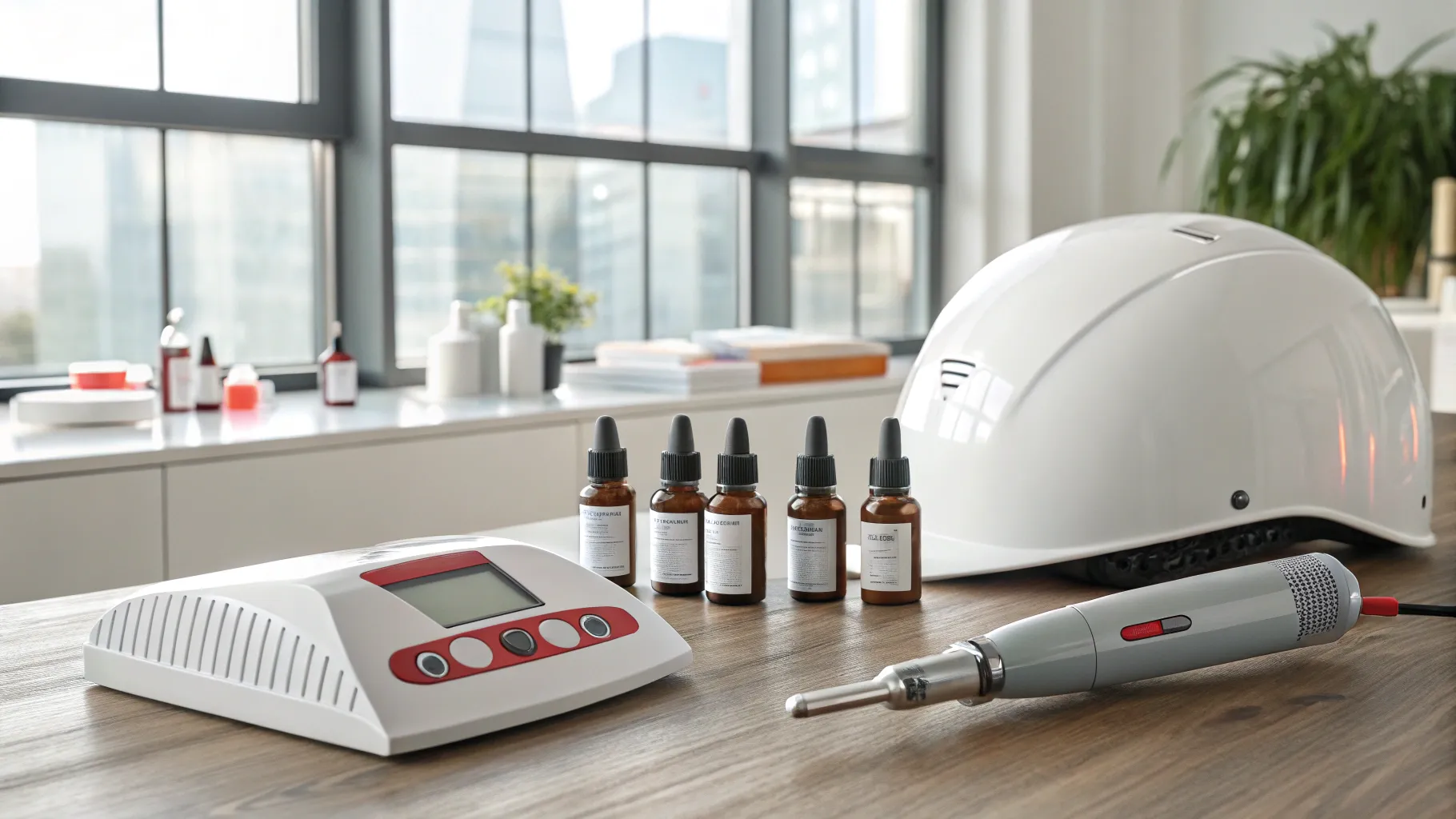
One of the most innovative hair restoration non surgical techniques available today is laser hair loss therapy. This method utilizes low-level laser light to stimulate hair follicles, promoting growth and preventing further hair thinning. Clinical studies conducted recently have shown that approximately 70% of participants experienced significant hair regrowth after consistently using laser therapy devices.
- How It Works: The lasers used in this therapy enhance blood circulation in the scalp, leading to increased oxygen and nutrient delivery to hair follicles.
- Treatment Duration: Patients typically undergo sessions lasting about 20 to 30 minutes, two to three times a week, depending on the severity of hair loss.
- At-Home Devices: For those preferring convenience, at-home laser devices such as helmets and caps have become popular. These devices offer a flexible treatment option while allowing individuals to incorporate it into their daily routines.
The accessibility and simplicity of laser therapy have made it a leading choice for anyone looking to avoid surgical treatments.
Topical Treatments: Minoxidil and Finasteride
Another widely recommended approach in the non surgical treatment realm includes topical treatments like minoxidil. Clinically approved, minoxidil is an over-the-counter topical treatment that enhances the growth cycle of hair and is suitable for both men and women. Regular application can lead to approximately 30% hair regrowth according to many clinical studies released this year.
Finasteride, available by prescription, works differently. It targets hormonal factors contributing to hair loss by inhibiting the conversion of testosterone to dihydrotestosterone (DHT), a key player in male pattern baldness. Although primarily used by men, some derivatives may also be effective for women experiencing hormonal hair loss. Nevertheless, it’s important to discuss potential side effects with a healthcare provider.
Platelet-Rich Plasma (PRP) Therapy: An Emerging Trend
PRP therapy has gained significant traction in the sphere of non surgical hair restoration. It involves drawing a small amount of the patient’s blood, processing it to concentrate the platelets, and then injecting it into the scalp. This treatment capitalizes on the body’s natural healing mechanisms and has demonstrated promising results.
- Results: Recent case studies suggest that over 80% of patients undergoing PRP treatment notice thicker hair and increased growth after three to four sessions.
- Minimally Invasive: PRP is considered minimally invasive, allowing for a quick recovery time with few side effects.
- Personalization: Each treatment can be tailored based on the individual’s specific hair loss condition, making it a more personalized therapy.
Many patients opt for PRP therapy not only for its effectiveness but also for its ability to complement other hair restoration treatments, enhancing overall results.
Micro-Needling: Triggering Natural Hair Growth
Micro-needling, or collagen induction therapy, is another innovative approach that has caught the attention of many hair loss sufferers. By creating tiny injuries in the scalp using small needles, micro-needling helps to stimulate blood flow and enhances the absorption of topical treatments such as minoxidil.
Statistics from recent clinical trials indicate that when combined with topical treatments, micro-needling may double the effectiveness of hair regrowth efforts. This technique, though relatively new, is gaining a reputation for delivering visible results without surgery.
Choosing the Right Non Surgical Hair Loss Treatment
The vast array of available options means that individuals experiencing hair loss can choose a treatment that best suits their lifestyle, budget, and specific needs. It’s essential to consult with a healthcare provider or a dermatologist who specializes in hair restoration to determine the most effective strategy based on personal hair loss patterns and overall health.
In 2025, we find ourselves in an era where hair restoration no longer necessitates surgery, paving the way for effective non invasive solutions that can yield significant results. With continued advancements in technology and an improved understanding of hair loss, individuals can confidently pursue their preferred method of enhancing hair growth and restoring their confidence.
As you explore your options, remember the importance of consistency in any treatment plan. Whether it’s laser therapy, topical applications, or a combination of methodologies, patience is key to achieving the desired results.
Authored by 24Trendz team