New Treatment for Shoulder Pain Without Surgery: Advanced Non-Surgical Solutions
Facts:
- Over 70% of shoulder pain cases can be effectively managed without surgery.
- Trends show increasing patient preference for non-surgical shoulder pain treatment methods.
Unveiling Advanced Non-Surgical Solutions for Chronic Shoulder Pain
The quest for effective relief from chronic shoulder pain often leads individuals down the path of contemplating surgery. However, significant advancements in medical science have introduced a myriad of highly effective new treatment for shoulder pain without surgery. These innovative approaches focus on healing, restoring function, and providing lasting relief, minimizing downtime and the risks associated with invasive procedures. Patients are increasingly seeking these alternative therapies to manage conditions ranging from rotator cuff tears to osteoarthritis, opting for less aggressive yet profoundly impactful interventions that prioritize natural healing processes and long-term joint health.
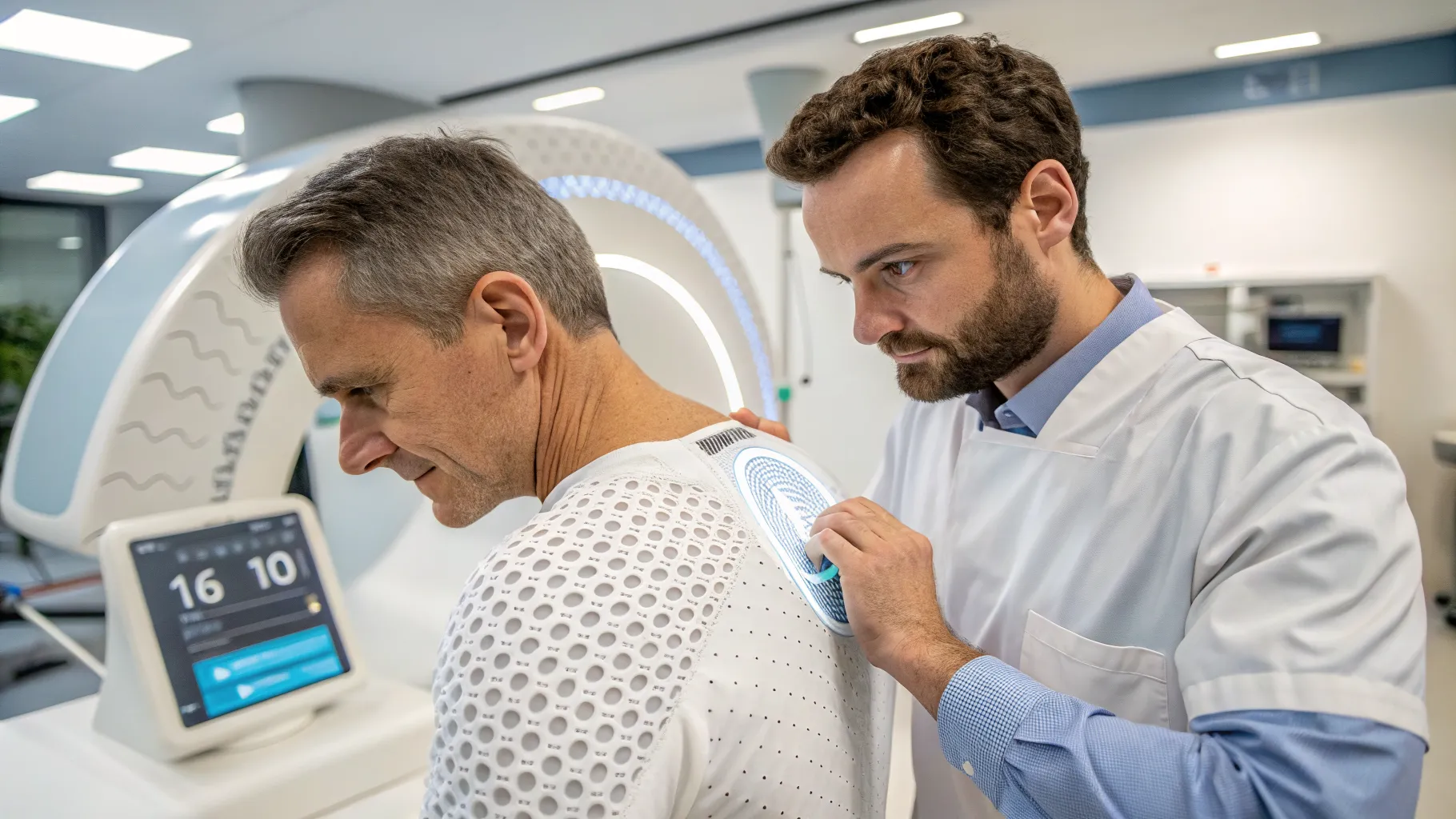
Deep Dive into Regenerative Therapies for Shoulder Health
Regenerative medicine stands at the forefront of minimally invasive shoulder repair, offering ground-breaking solutions that harness the body's natural healing capabilities. These therapies are designed to repair damaged tissues, reduce inflammation, and accelerate recovery, presenting a compelling alternative to traditional surgical interventions. By targeting the underlying cause of pain rather than just masking symptoms, regenerative treatments aim for sustained improvement and a return to full activity.
Platelet-Rich Plasma (PRP) Therapy
Platelet-Rich Plasma (PRP) therapy involves drawing a small sample of the patient’s own blood, processing it to concentrate the platelets, and then injecting this concentrated plasma directly into the injured area of the shoulder. Platelets are rich in growth factors that stimulate tissue repair and regeneration. This procedure is performed in-office, often guided by ultrasound to ensure precise delivery. PRP is particularly effective for conditions like tendinitis, minor rotator cuff tears, and osteoarthritis, significantly reducing pain and improving function by promoting healing at a cellular level. It represents a cornerstone of regenerative medicine shoulder treatments.
Stem Cell Therapy for Shoulder Repair
Stem cell therapy, another powerful component of regenerative medicine shoulder protocols, utilizes the body’s own stem cells—typically harvested from bone marrow or adipose tissue—to promote the regeneration of damaged tissues in the shoulder. These pluripotent cells have the remarkable ability to differentiate into various cell types, including cartilage, tendon, and bone cells, facilitating natural repair processes. When injected into an injured shoulder, stem cells can reduce inflammation, alleviate pain, and rebuild deteriorated tissue. This advanced treatment is being explored for more severe degenerative conditions and larger tears where PRP might not suffice, offering profound potential for recovery without surgery.
Minimally Invasive Techniques for Shoulder Pain Relief
Beyond regenerative therapies, several other minimally invasive techniques provide significant shoulder pain relief without surgery. These procedures offer targeted intervention with less impact on the body, leading to faster recovery times and reduced post-procedure discomfort compared to traditional surgery. They are often used when pain is localized and responsive to precise interventions.
Ultrasound-Guided Injections
Ultrasound-guided injections are a vital tool in modern pain management for the shoulder. Using real-time ultrasound imaging, physicians can accurately guide needles to deliver medications—such as corticosteroids, hyaluronic acid, or local anesthetics—directly to the source of pain or inflammation. This precision minimizes the risk of injuring surrounding tissues and maximizes the therapeutic effect, providing superior pain relief compared to blind injections. It’s an effective method for bursitis, impingement syndrome, and specific nerve blocks, offering immediate shoulder pain relief without surgery and diagnostic clarity.
Radiofrequency Ablation (RFA)
Radiofrequency Ablation (RFA) is a procedure that uses heat generated by radio waves to target and deactivate specific nerves responsible for transmitting pain signals from the shoulder joint. This method can provide long-lasting relief for chronic shoulder pain, particularly in cases of severe osteoarthritis or persistent pain following injury where other conservative treatments have failed. RFA involves inserting a thin needle near the affected nerve, and once confirmed by a small electrical current, the nerve is ablated. This minimally invasive approach offers significant advantages in reducing reliance on pain medication and improving quality of life for patients seeking advanced shoulder therapies.
Comprehensive Rehabilitation and Supportive Care
While cutting-edge treatments provide the foundation for healing, comprehensive rehabilitation and supportive care are crucial for maximizing the benefits of any new treatment for shoulder pain without surgery. A holistic approach ensures that the shoulder not only heals but also regains its full strength, mobility, and resilience, preventing future injuries.
Physical Therapy and Exercise Programs
Customized physical therapy and exercise programs are indispensable for anyone undergoing a non-surgical shoulder pain treatment. A skilled physical therapist designs a regimen that strengthens the muscles surrounding the shoulder joint, improves range of motion, and corrects postural imbalances. Exercises are progressively introduced, focusing on stability, flexibility, and gradual loading of the healing tissues. This structured rehabilitation is critical for restoring function, enhancing recovery, and ensuring the longevity of treatment results. Adherence to these programs is key to achieving optimal shoulder pain relief without surgery and preventing re-injury.
Comparing Non-Surgical Options: What's Right for You?
Choosing the most appropriate new treatment for shoulder pain without surgery can feel daunting given the array of options available. The best approach often depends on the specific diagnosis, severity of the condition, individual health profile, and patient preferences. For minor tears and inflammation, PRP therapy or targeted injections might be highly effective. More significant degenerative issues could benefit from stem cell therapy. Physical therapy is almost always a component, either as a standalone treatment or in conjunction with other interventions. Consulting with a specialist in advanced shoulder therapies who can thoroughly evaluate your condition and discuss the pros and cons of each option is essential. This personalized guidance ensures a tailored treatment plan that targets your unique needs and offers the greatest chance for successful shoulder pain relief without surgery.
Steps Towards Shoulder Pain Relief Without Surgery
- Consult a Specialist: Seek out a physician specializing in sports medicine, orthopedics, or pain management who has extensive experience with non-surgical shoulder pain treatment. A proper diagnosis is the first and most critical step.
- Explore Regenerative Options: Discuss the suitability of therapies like Platelet-Rich Plasma (PRP) or stem cell injections, which can stimulate your body's natural healing processes for conditions like rotator cuff tears or osteoarthritis.
- Consider Minimally Invasive Procedures: Investigate options such as ultrasound-guided injections for targeted pain relief or radiofrequency ablation for chronic nerve-related pain. These provide direct relief with minimal recovery time.
- Commit to Physical Therapy: Engage in a personalized physical therapy program to strengthen muscles, improve range of motion, and prevent future injuries, which is vital for long-term shoulder pain relief without surgery.
- Adopt Lifestyle Modifications: Implement ergonomic changes, modify activities that aggravate your shoulder, and incorporate anti-inflammatory diets to support healing and maintain overall joint health.
Frequently Asked Questions
Can I really achieve full recovery from shoulder pain without surgery?
Yes, many individuals achieve full recovery and significant shoulder pain relief without surgery, especially with the advent of advanced non-surgical treatments like regenerative therapies and targeted injections combined with comprehensive physical therapy. The success depends on the specific diagnosis and adherence to the treatment plan.
How long do the effects of regenerative medicine shoulder treatments last?
The effects of regenerative medicine shoulder treatments like PRP and stem cell therapy can be long-lasting, often providing sustained relief for several months to years. The goal is to promote natural tissue repair, leading to more durable results than symptomatic treatments. Individual outcomes vary based on the extent of injury and the body's healing response.
Are there any risks associated with new treatment for shoulder pain without surgery?
While generally safer than surgery, non-surgical treatments still carry minimal risks, such as temporary pain or swelling at the injection site, infection (very rare), or allergic reactions to medication. Your doctor will discuss all potential risks and benefits specific to the new treatment for shoulder pain without surgery being considered.
References
- Journal of Orthopaedic & Sports Physical Therapy (JOSPT)
- American Academy of Orthopaedic Surgeons (AAOS) publications
- Clinical Journal of Pain
- The Journal of Bone & Joint Surgery (JBJS)
- Mayo Clinic Proceedings on Regenerative Medicine
Authored by 24Trendz team