New Treatment for Back Pain Without Surgery: Exploring Non-Surgical Back Pain Relief
Fast Facts:
- Back pain is a leading cause of disability worldwide.
- Minimally invasive therapies are a growing trend for chronic back pain solutions.
Understanding the Shift Towards Non-Surgical Approaches
For many years, severe and persistent back pain often led to surgical recommendations. However, a significant paradigm shift is underway in pain management, favoring less invasive methods. Patients and clinicians alike are increasingly seeking new treatment for back pain without surgery, driven by advancements in medical technology, a better understanding of pain mechanisms, and a desire to avoid the risks and recovery times associated with surgical interventions. This evolving landscape offers promising alternatives for individuals struggling with conditions ranging from disc herniations to spinal stenosis, emphasizing personalized and holistic care strategies. The goal is to provide effective, long-lasting non-surgical back pain relief, improving quality of life without the need for a scalpel. This comprehensive approach considers the multifaceted nature of back pain, addressing not only the physical symptoms but also the lifestyle factors contributing to discomfort.
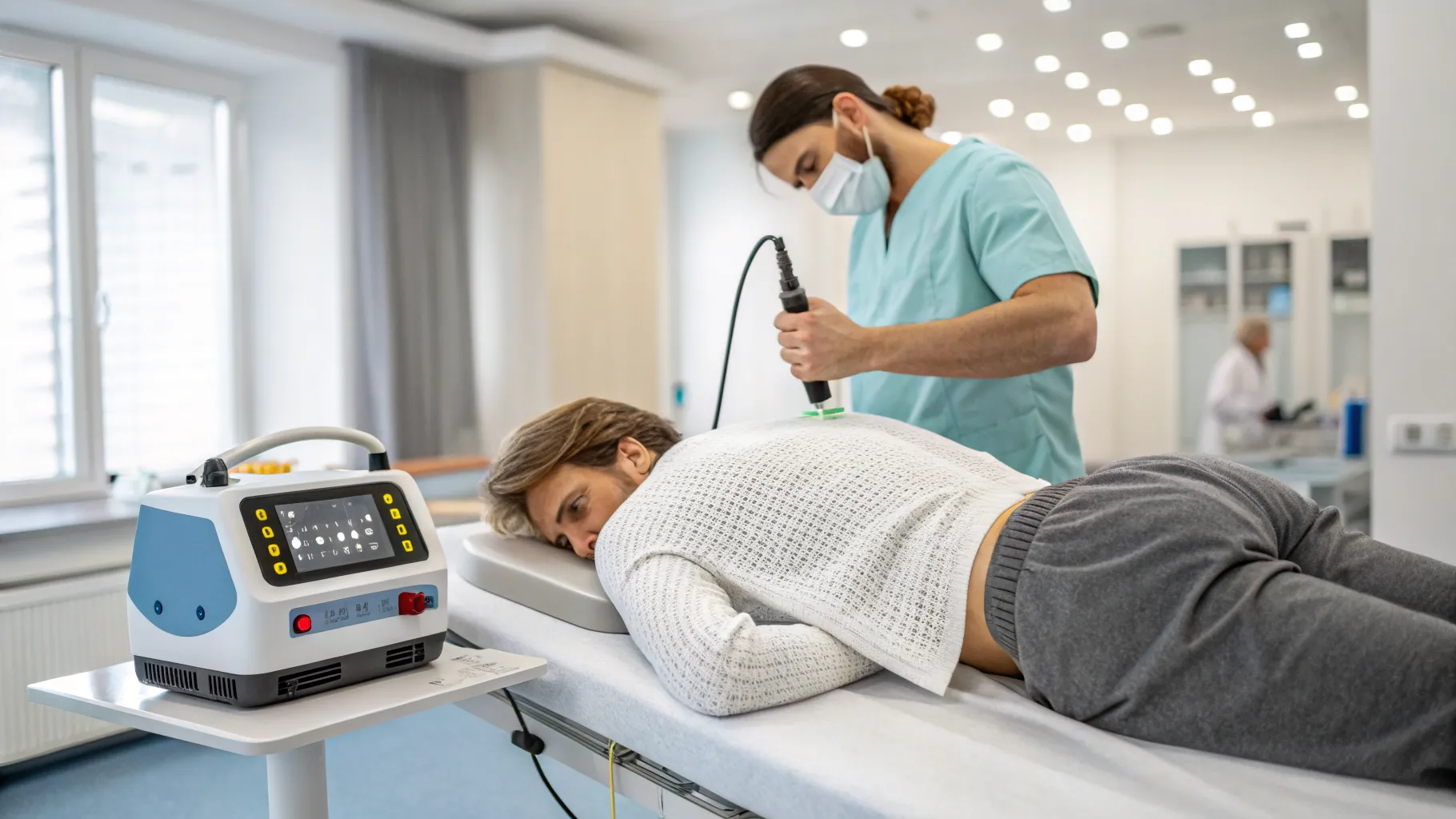
Groundbreaking Non-Surgical Back Pain Relief Options
The field of pain management is witnessing a revolution with the introduction of several innovative back pain therapies that offer significant promise. These methods target the root causes of pain with precision, aiming to restore function and alleviate discomfort. Unlike traditional approaches that might only mask symptoms, these new treatments are designed to promote healing and long-term well-being. From cellular-level interventions to advanced physical modalities, the array of choices for chronic back pain solutions has expanded dramatically, providing hope for many who previously felt their only option was surgery. Each therapy is carefully tailored to the individual's specific condition, ensuring the most effective and targeted intervention.
Regenerative Medicine for Spine Health
Regenerative medicine represents a frontier in managing chronic back pain by harnessing the body's natural healing capabilities. Treatments such as Platelet-Rich Plasma (PRP) therapy and stem cell therapy involve injecting concentrated biological components directly into damaged tissues, like degenerated discs or inflamed joints. PRP, derived from a patient's own blood, contains growth factors that can stimulate tissue repair and reduce inflammation. Stem cell therapy, utilizing cells with the ability to differentiate into various tissue types, aims to regenerate damaged cartilage or disc material. These cutting-edge treatments are gaining traction as viable options for non-surgical back pain relief, offering potential for lasting repair and pain reduction, rather than just symptom management. The science behind these methods is continuously evolving, leading to more refined and effective protocols.
Advanced Interventional Pain Procedures
Interventional pain management techniques have become increasingly sophisticated, providing targeted relief for various types of back pain. These procedures, often performed under imaging guidance (X-ray or ultrasound), include nerve blocks, radiofrequency ablation, and spinal cord stimulation. Nerve blocks deliver medication directly to specific nerves causing pain, offering temporary relief and diagnostic insights. Radiofrequency ablation uses heat to disrupt nerve signals, providing longer-lasting pain reduction. Spinal cord stimulation involves implanting a device that sends mild electrical pulses to the spinal cord, modulating pain signals before they reach the brain. These minimally invasive spine treatment options offer a precise way to manage pain without the systemic effects of oral medications or the invasiveness of traditional surgery, significantly improving patient outcomes and functional abilities.
Innovative Physical Therapy and Rehabilitation
Physical therapy remains a cornerstone of back pain management, but modern approaches are far more advanced than generic exercises. Today's innovative physical therapy integrates advanced biomechanical analysis, specialized manual techniques, and targeted exercise prescriptions to address specific dysfunctions. Therapists utilize cutting-edge equipment, such as anti-gravity treadmills and sophisticated biofeedback devices, to optimize movement patterns and strengthen core muscles. Furthermore, approaches like McKenzie Method, Pilates, and specific yoga protocols are tailored to individual needs, focusing on restoring mobility, improving posture, and preventing future injuries. This personalized and evidence-based rehabilitation is crucial for achieving sustainable chronic back pain solutions and long-term functional improvement, empowering patients with tools for self-management and recovery.
Minimally Invasive Spine Treatment: A Paradigm Shift
The concept of minimally invasive spine treatment has transformed how doctors approach spinal conditions. These procedures, unlike open surgery, involve smaller incisions, leading to less tissue damage, reduced blood loss, shorter hospital stays, and faster recovery times. Techniques such as endoscopic discectomy, percutaneous vertebroplasty, and kyphoplasty allow surgeons to address issues like herniated discs or vertebral compression fractures with remarkable precision. The benefits extend beyond the immediate recovery, significantly reducing the post-operative pain and risks associated with more extensive surgeries. This shift signifies a commitment to patient-centered care, providing effective solutions with the least possible disruption to the body. Patients can often return to their daily activities much quicker, making these options highly attractive for those seeking a new treatment for back pain without surgery.
Long-Term Chronic Back Pain Solutions Without Scalpel
Achieving lasting relief from back pain often requires more than just addressing the immediate symptoms. True chronic back pain solutions focus on long-term management and prevention. This involves a multi-modal approach that combines advanced therapies with lifestyle modifications. Nutritional guidance, stress management techniques, and ergonomic adjustments are vital components. For instance, an anti-inflammatory diet can help reduce systemic inflammation contributing to pain, while mindfulness and cognitive behavioral therapy can alter pain perception. Regular, appropriate exercise, guided by a physical therapist, is essential for maintaining spinal health and muscle strength. The integration of these elements provides a robust framework for sustained non-surgical back pain relief, empowering individuals to take an active role in their health and well-being, moving beyond just episodic treatments to a more comprehensive approach to living pain-free.
Embracing Holistic and Integrated Care
Modern pain management increasingly recognizes the value of a holistic and integrated approach to back pain. This means combining conventional medical treatments with complementary therapies to provide comprehensive care. For example, acupuncture, chiropractic care, and massage therapy can be valuable adjuncts to more traditional medical interventions. These therapies can help reduce muscle tension, improve spinal alignment, and stimulate the body's natural healing processes. The synergy between different modalities often leads to more profound and lasting non-surgical back pain relief than any single treatment alone. By considering the patient's entire physical, emotional, and psychological well-being, integrated care aims to address all facets of chronic pain, ensuring a more complete recovery and improved quality of life. This patient-centric model is fundamental to discovering effective chronic back pain solutions.
Future Outlook: What's Next in Back Pain Management
The horizon for back pain treatment is continuously expanding, with ongoing research pushing the boundaries of what's possible. Emerging technologies and therapies promise even more effective and less invasive options. Gene therapy, advanced robotics in rehabilitation, and personalized medicine tailored to an individual's genetic profile are on the brink of widespread application. Furthermore, the development of smarter implantable devices for pain modulation and more sophisticated diagnostic tools will refine treatment strategies. The focus remains on further developing innovative back pain therapies that not only alleviate pain but also prevent its recurrence and improve overall spinal health. These advancements will continue to offer hope for those seeking a new treatment for back pain without surgery, making significant strides toward a future where chronic back pain is effectively and sustainably managed without invasive procedures.
Frequently Asked Questions
What are the primary benefits of seeking non-surgical back pain relief?
The primary benefits include avoiding surgical risks (infection, anesthesia complications), shorter recovery times, less post-procedure pain, and often the ability to return to daily activities much faster. These methods offer effective non-surgical back pain relief with reduced invasiveness.
How effective are regenerative medicine treatments for chronic back pain solutions?
Regenerative medicine, such as PRP and stem cell therapy, has shown promising results in stimulating tissue repair and reducing inflammation for chronic back pain. While still evolving, many patients experience significant improvements, making them compelling innovative back pain therapies.
Can lifestyle changes truly provide chronic back pain solutions?
Absolutely. Lifestyle changes, including proper nutrition, regular exercise, maintaining a healthy weight, and stress management, are crucial for long-term chronic back pain solutions. They complement medical treatments by addressing underlying factors and promoting overall spinal health.
Is minimally invasive spine treatment always preferable to traditional surgery?
Not always. While minimally invasive spine treatment offers many advantages, the best approach depends on the specific condition, its severity, and individual patient factors. A thorough evaluation by a specialist is essential to determine if a new treatment for back pain without surgery is appropriate.
What types of conditions respond best to non-surgical approaches for back pain?
Many conditions, including disc herniations, spinal stenosis, facet joint arthritis, sciatica, and muscle strains, can respond well to non-surgical back pain relief. The effectiveness varies by individual and the specific treatment chosen, but a wide range of issues can be addressed.
References
- The American Academy of Orthopaedic Surgeons on non-surgical spine care.
- Research on regenerative medicine applications in spine conditions.
- Clinical studies on the efficacy of interventional pain procedures.
- Guidelines from the American Pain Society for chronic pain management.
- Journals on physical therapy and rehabilitation for musculoskeletal pain.
Authored by 24Trendz team