New Options for Managing Arthritis Without Surgery: Advanced Non-Surgical Approaches
Facts:
- Arthritis affects over 50 million adults globally.
- Growing demand for less invasive interventions for non-surgical arthritis management.
Pioneering Approaches to Non-Surgical Arthritis Management
In the evolving landscape of musculoskeletal health, patients seeking relief from arthritis no longer face a limited choice between chronic pain and invasive surgical procedures. The advent of sophisticated non-surgical arthritis management strategies has opened new avenues for individuals aiming to preserve joint function and reduce discomfort. This article delves into the cutting-edge developments in alternative arthritis treatments, offering hope and practical solutions for effective joint pain relief without surgery.
Innovative Pharmacological and Injection Therapies
Advancements in pharmacology have introduced targeted medications that go beyond symptom suppression, offering substantial improvements for patients. Biologics and targeted synthetic DMARDs (disease-modifying antirheumatic drugs) represent a significant leap in controlling inflammatory arthritis, modulating immune responses to slow disease progression. Beyond oral medications, a diverse array of injection therapies provides direct relief and therapeutic benefits. Corticosteroid injections offer rapid but temporary anti-inflammatory effects, while hyaluronic acid injections aim to restore joint lubrication and cushioning. More excitingly, platelet-rich plasma (PRP) and stem cell therapies are at the forefront of regenerative medicine for arthritis, promoting natural healing and tissue repair. These modern approaches are redefining what's possible in effective non-surgical arthritis management, providing potent tools for pain control and functional improvement without the need for incisions.
The Promise of Regenerative Medicine for Arthritis
Regenerative medicine for arthritis stands as a revolutionary frontier, focusing on the body's intrinsic ability to heal and repair damaged tissues. This field offers genuine hope for long-term joint pain relief without surgery by addressing the root causes of degeneration. Unlike conventional treatments that primarily manage symptoms, regenerative therapies aim to restore structure and function, slowing or even reversing the degenerative processes of arthritis. The application of these methods signifies a shift towards more proactive and curative approaches in alternative arthritis treatments.
Platelet-Rich Plasma (PRP) Therapy
PRP therapy involves drawing a small amount of the patient's own blood, processing it to concentrate the platelets, and then injecting this platelet-rich solution into the affected joint. Platelets are rich in growth factors that stimulate tissue repair, reduce inflammation, and can enhance cartilage health. This natural approach minimizes risks and is increasingly utilized for conditions like osteoarthritis and tendon injuries, providing a vital option in non-surgical arthritis management.
Stem Cell Therapies
Stem cell therapies utilize mesenchymal stem cells (MSCs), often derived from the patient's bone marrow or adipose (fat) tissue. These potent cells have the ability to differentiate into various cell types, including cartilage cells, and possess strong anti-inflammatory and immunomodulatory properties. When injected into arthritic joints, MSCs can promote cartilage regeneration, reduce pain, and improve joint function, representing a sophisticated form of regenerative medicine for arthritis for those seeking joint pain relief without surgery.
Advanced Physical Therapy and Rehabilitation Techniques
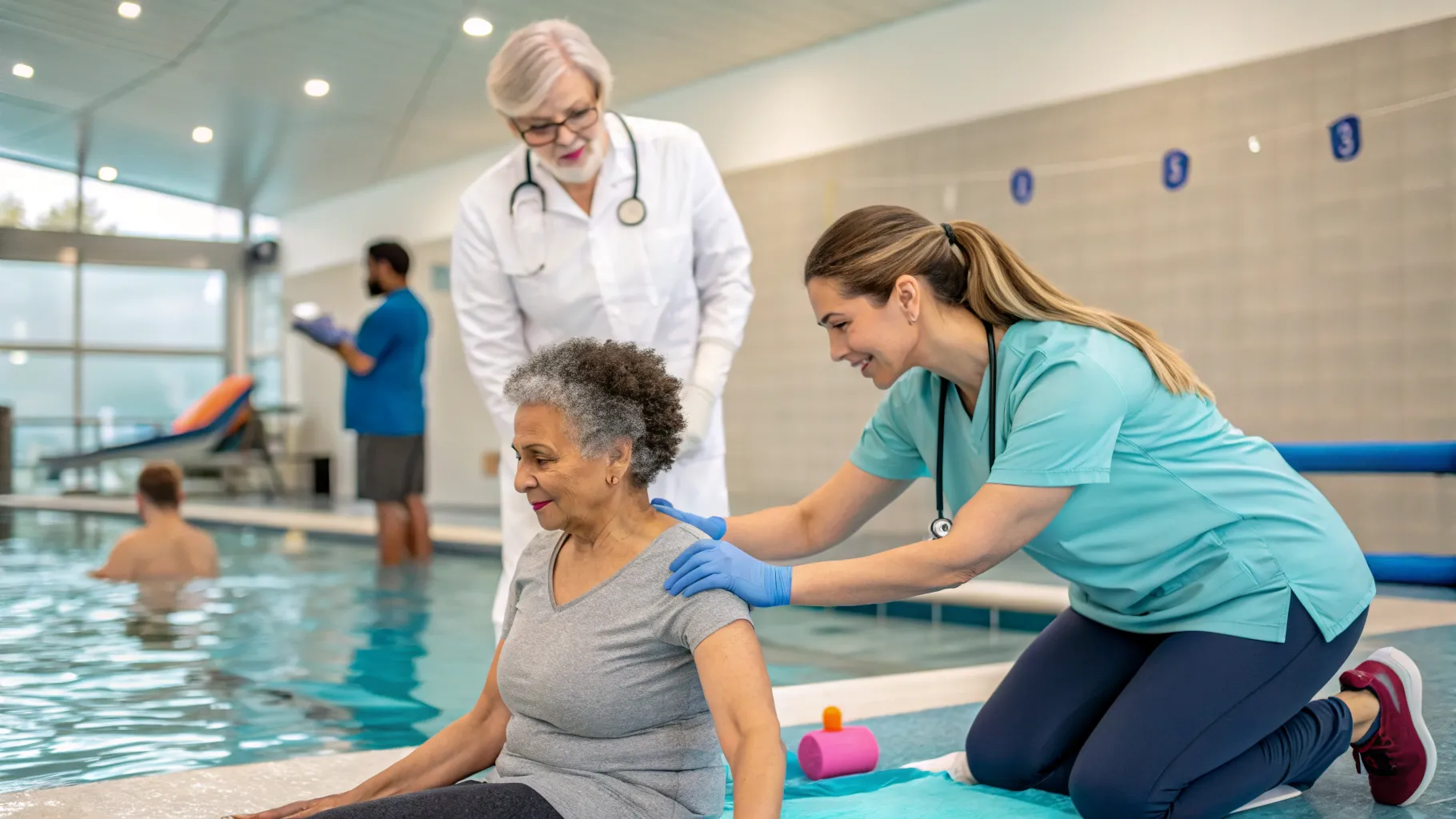
Physical therapy remains a cornerstone of conservative arthritis care, but contemporary approaches are far more sophisticated than traditional exercises. Personalized exercise programs, often developed with advanced biomechanical analysis, target specific muscle groups to improve joint stability, flexibility, and strength while minimizing stress on affected areas. Aquatic therapy utilizes the buoyancy of water to reduce weight-bearing impact, allowing for pain-free movement and strengthening. Manual therapy, including mobilization and manipulation techniques performed by skilled therapists, can restore joint mechanics and reduce stiffness. Furthermore, the integration of assistive devices and orthotics helps optimize movement patterns and distribute pressure more evenly, significantly enhancing daily function and contributing to sustained joint pain relief without surgery.
Lifestyle Modifications and Complementary Approaches
Beyond clinical interventions, lifestyle modifications play a crucial role in empowering individuals to manage their arthritis effectively and achieve joint pain relief without surgery. Nutritional strategies, such as anti-inflammatory diets rich in omega-3 fatty acids, antioxidants, and lean proteins, can significantly reduce systemic inflammation. Weight management is paramount, as excess body weight places immense stress on weight-bearing joints, exacerbating arthritis symptoms. Stress reduction techniques like meditation, mindfulness, and deep breathing exercises can lower pain perception and improve overall well-being. Complementary therapies such as acupuncture, known for its pain-relieving effects, and gentle exercises like yoga and Tai Chi, which improve flexibility and balance, further enrich the spectrum of alternative arthritis treatments, promoting a holistic approach to conservative arthritis care.
Technological Innovations in Conservative Arthritis Care
The intersection of technology and healthcare is opening new frontiers in conservative arthritis care. Wearable technology, such as smartwatches and specialized sensors, allows patients and clinicians to monitor activity levels, gait patterns, and even pain fluctuations, providing valuable data for personalized treatment adjustments. Advanced bracing and orthotic devices offer customized support and alignment for affected joints, reducing strain during daily activities. Low-level laser therapy (LLLT) uses specific wavelengths of light to reduce pain and inflammation and stimulate cellular repair, providing a non-invasive option for relief. Additionally, extracorporeal shockwave therapy (ESWT) is being explored for its ability to promote tissue regeneration and reduce pain in certain arthritic conditions. These technological aids are transforming non-surgical arthritis management by offering precise, data-driven, and often non-pharmacological avenues for support and recovery. While traditional approaches like NSAIDs and physical therapy remain foundational, the emergence of regenerative medicine for arthritis offers a more proactive approach, aiming not just to manage symptoms but to potentially repair damaged tissues. This contrasts sharply with the purely symptomatic relief offered by some older injection therapies, marking a significant shift in non-surgical arthritis management.
Empowering Your Journey to Joint Health
- Consult a Specialist: Begin your journey to lasting relief by consulting with a rheumatologist or an orthopedic specialist experienced in alternative arthritis treatments. A thorough diagnosis and personalized assessment are crucial to determine the most effective combination of therapies tailored to your specific condition and lifestyle. Early intervention with the right strategies can significantly alter the course of arthritis and enhance your quality of life.
- Embrace a Holistic Approach: True joint pain relief without surgery often comes from integrating various therapies. Combine advanced medical treatments with lifestyle modifications, including an anti-inflammatory diet, regular gentle exercise, weight management, and stress reduction techniques. This comprehensive strategy targets multiple aspects of arthritis, leading to more profound and sustained improvements in well-being and joint function.
- Stay Informed: The field of non-surgical arthritis management is rapidly evolving. Continuously educate yourself about new research, emerging therapies, and clinical trials. Engage in discussions with your healthcare providers, join patient support groups, and seek reputable sources of information to ensure you are always aware of the latest and most effective options available for your conservative arthritis care.
Frequently Asked Questions
Is regenerative medicine for arthritis painful?
Most regenerative procedures involve minimal discomfort, often managed with local anesthetic. Post-procedure soreness is typically mild and temporary, unlike the more significant recovery associated with surgery, making it a viable option for non-surgical arthritis management.
How long do alternative arthritis treatments take to show results?
The timeline for results varies greatly depending on the specific treatment, severity of arthritis, and individual patient factors. Some therapies, like certain injections, may offer quicker relief, while regenerative medicine for arthritis often requires several weeks to months for significant improvements as the body heals and regenerates tissues, contributing to sustained joint pain relief without surgery.
Can I completely avoid surgery with these non-surgical arthritis management options?
For many individuals, advanced non-surgical options can significantly delay or even eliminate the need for surgery, particularly if implemented early and consistently. However, the decision depends on the stage and type of arthritis, and a thorough consultation with a healthcare professional is crucial to determine the most effective path for your conservative arthritis care plan.
References
- American Academy of Orthopaedic Surgeons Guidelines on Osteoarthritis
- Studies on Platelet-Rich Plasma Therapy for Joint Conditions
- Research on Stem Cell Applications in Musculoskeletal Disorders
- Clinical trials on non-pharmacological interventions for arthritis
Authored by 24Trendz team