Navigating Physical Therapy Expenses in the United States: A Comprehensive Guide
Facts:
- Average physical therapy session can range from $50 to $350.
- Trends show increasing demand for specialized therapies for an aging population.
Understanding the Landscape of Physical Therapy Expenses in the United States
Embarking on a journey through physical therapy can be a crucial step towards recovery and improved quality of life. However, a significant concern for many patients is the financial aspect, specifically understanding the intricate landscape of physical therapy expenses in the United States. The cost of physical therapy can vary dramatically based on numerous elements, from geographic location to the specific type of treatment required, and the individual's insurance plan. This guide aims to demystify these costs, providing clarity and empowering individuals to make informed decisions about their healthcare.
Factors Influencing Physical Therapy Costs
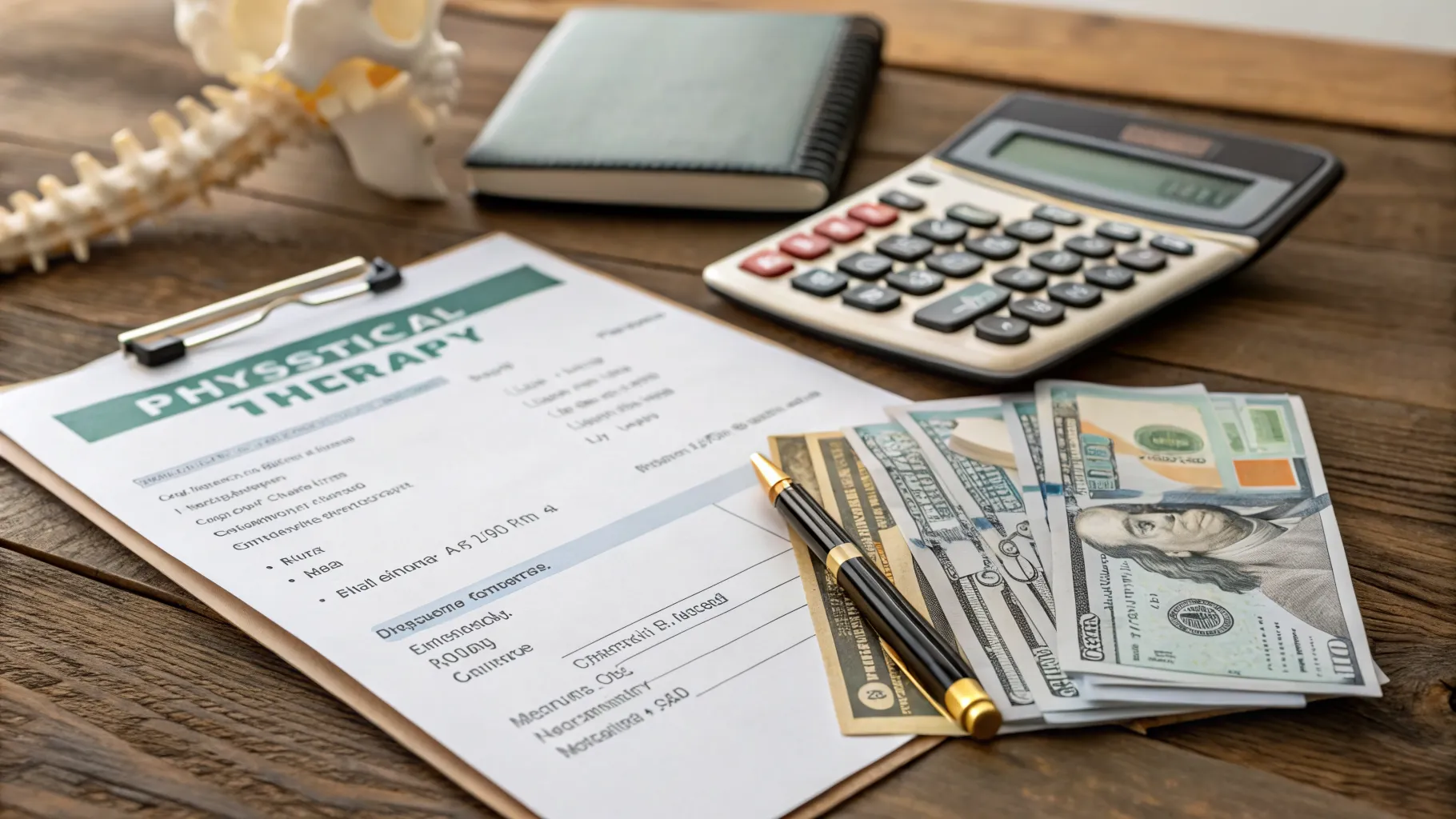
Several critical elements contribute to the overall physical therapy costs patients incur. Understanding these factors is paramount for anticipating and planning for potential expenses. Location plays a significant role, with urban areas and regions with a higher cost of living typically reflecting higher rates for services. The type of therapy provided is another major determinant; specialized treatments, such as aquatic therapy or advanced manual therapy techniques, often command higher fees due to the specialized equipment and expertise required. Furthermore, the duration and frequency of sessions, as prescribed by the therapist and physician, directly impact the total expenditure. A longer course of treatment or more frequent visits will naturally lead to higher cumulative physical therapy expenses in the United States.
Geographic Variation and Facility Type
The location of a physical therapy clinic can dramatically affect the price. Clinics situated in major metropolitan areas or affluent suburbs typically have higher overheads, which are often passed on to the patient. Similarly, the type of facility also plays a role. Hospital-based outpatient physical therapy departments may have different billing structures compared to independent, private practices. These differences contribute significantly to the diverse range of cost of physical therapy encountered across the nation.
Treatment Modalities and Session Duration
The specific therapeutic interventions utilized during a session, known as modalities, also impact cost. Advanced modalities like dry needling, electrical stimulation, or ultrasound, while effective, might incur additional charges. The length of each session and the total number of sessions recommended for a complete recovery plan are direct multipliers for the final physical therapy costs. Patients undergoing extensive rehabilitation for complex injuries will inevitably face higher overall physical therapy expenses in the United States than those with minor issues requiring only a few sessions.
Navigating Insurance Coverage for Physical Therapy
For many, navigating insurance coverage for physical therapy is the most complex aspect of managing healthcare costs. Insurance plans vary widely, with different deductibles, co-pays, co-insurance percentages, and annual limits on physical therapy visits. It is imperative for patients to thoroughly understand their policy details before beginning treatment. Pre-authorization requirements are also common; failing to obtain proper approval can result in significant out-of-pocket physical therapy costs. Patients should contact their insurance provider directly to verify benefits and understand their financial responsibility. Understanding how insurance coverage for physical therapy works is crucial to avoid unexpected bills.
Strategies to Minimize Out-of-Pocket Physical Therapy Costs
While physical therapy expenses in the United States can be substantial, there are proactive steps individuals can take to reduce their financial burden. One effective strategy is to meticulously research and compare local clinics. Some clinics may offer lower rates or payment plans, especially for those without adequate insurance coverage. Negotiating cash prices directly with providers, particularly for self-pay patients, can also lead to significant savings. Inquire about package deals for multiple sessions, which can sometimes reduce the per-session cost of physical therapy. Furthermore, consider asking about student clinics or community health centers that may offer services at a reduced rate. Maximizing the benefits of your insurance coverage for physical therapy by understanding your plan's intricacies is also a critical cost-saving measure.
- Verify Insurance Benefits Thoroughly: Always contact your insurance provider before starting treatment to confirm your specific benefits, including deductibles, co-pays, co-insurance, and any visit limits. Understanding these details upfront can prevent unforeseen out-of-pocket physical therapy costs.
- Explore Payment Plans and Cash Discounts: Many physical therapy clinics are willing to work with patients on payment plans or offer discounted rates for upfront cash payments, especially if you have high deductibles or no insurance. This can significantly reduce the overall physical therapy costs.
- Inquire About Package Deals: For patients requiring an extended course of treatment, some clinics offer package deals where purchasing multiple sessions in advance can lead to a lower per-session rate, effectively reducing your total cost of physical therapy.
- Consider Telehealth Options: In certain situations, telehealth physical therapy sessions might be available and could be more cost-effective, depending on your insurance coverage and the specific therapeutic needs. This can be a viable option for managing physical therapy expenses in the United States.
- Seek Referrals and Second Opinions: Sometimes, different practitioners or facilities might offer varying price points for similar services. Obtaining a referral from your primary care physician to a network provider can optimize your insurance coverage for physical therapy.
The Value Proposition of Physical Therapy
Despite the potential for significant physical therapy expenses in the United States, it is crucial to recognize the immense value physical therapy provides. Investing in physical therapy can lead to faster recovery times, reduced reliance on pain medication, and the avoidance of more invasive and costly interventions like surgery. By addressing the root cause of pain and dysfunction, physical therapy empowers patients with tools and techniques for long-term self-management, ultimately leading to improved functional independence and a higher quality of life. The long-term benefits often far outweigh the initial cost of physical therapy, preventing future complications and recurrent issues.
Frequently Asked Questions
How much does an average physical therapy session cost in the United States?
The average cost of physical therapy session in the United States can range significantly, typically from $50 to $350 per session, without insurance. This variation depends on factors such as location, the specific services rendered, the duration of the session, and the expertise of the therapist. It's essential to consult with your clinic and insurance provider for an accurate estimate of your potential out-of-pocket physical therapy costs.
Does insurance typically cover physical therapy expenses?
Most health insurance plans do offer some form of insurance coverage for physical therapy, but the extent of coverage varies greatly. Plans often have deductibles, co-pays, or co-insurance that patients must pay. There might also be limits on the number of sessions covered per year. Always verify your benefits directly with your insurance company to understand your specific coverage for physical therapy expenses in the United States.
What are some ways to reduce physical therapy costs without insurance?
If you don't have insurance or have limited coverage, several strategies can help reduce your physical therapy costs. You can inquire about cash discounts or package deals for multiple sessions, which clinics often offer. Exploring community health centers or physical therapy schools that provide services at a reduced rate is another option. Sometimes, negotiating a payment plan directly with the clinic can also be effective in managing out-of-pocket physical therapy costs.
Are there different factors that influence physical therapy expenses?
Yes, many factors affecting physical therapy costs contribute to the overall expenses. These include the geographic location of the clinic (urban vs. rural), the type of facility (hospital-based vs. private practice), the specific treatment modalities used (e.g., manual therapy, dry needling, therapeutic exercise), the severity and complexity of your condition, and the total number of sessions required for your recovery. All these elements collectively determine the total physical therapy expenses in the United States you might incur.
References
- American Physical Therapy Association (APTA) Resources
- Healthcare.gov Official Guides on Coverage
- National Institutes of Health (NIH) Medical Cost Studies
Authored by 24Trendz team