Nasal Polyps Diagnosis and Treatment: A Complete Guide
Facts:
- Nasal polyps are noncancerous growths on the lining of your nasal passages.
- New biologic therapies are a growing trend for treating severe nasal polyps.
Decoding the Signs: Recognizing and Diagnosing Nasal Polyps
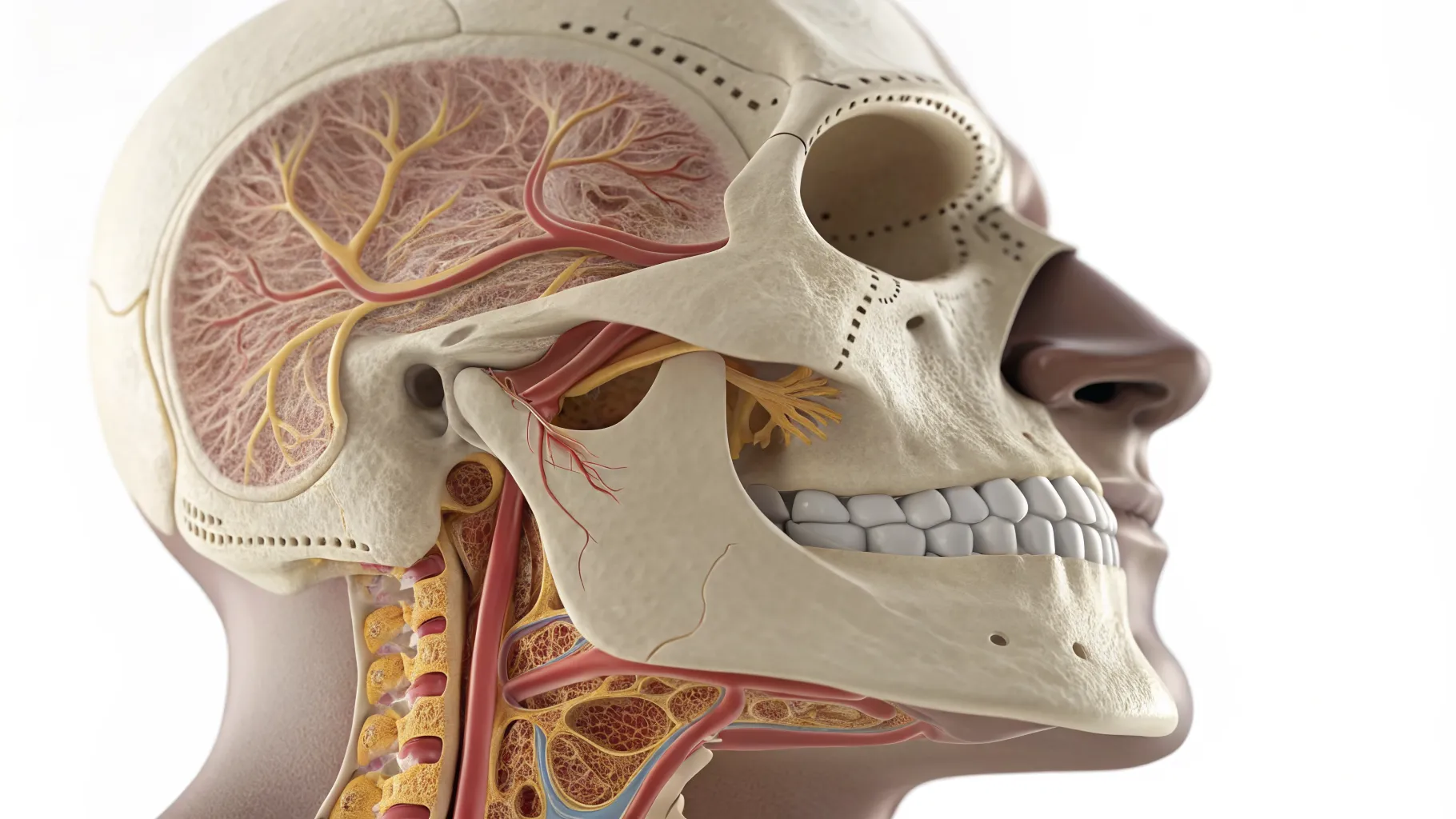
Understanding the diagnosis and treatment of Nasal polyps begins with recognizing their presence. These soft, painless, teardrop-shaped growths line the nasal passages or sinuses and are often linked to chronic inflammation. Many individuals suffer from symptoms like a persistent stuffy or runny nose, postnasal drip, a diminished sense of smell or taste, and facial pressure without realizing the underlying cause. This condition is frequently associated with Chronic rhinosinusitis, a persistent inflammation of the sinuses lasting more than 12 weeks. An accurate diagnosis is the critical first step toward effective management and relief from these disruptive symptoms.
The Diagnostic Pathway: How Doctors Identify Nasal Polyps
A definitive diagnosis of Nasal polyps involves a multi-step approach. Initially, a doctor will discuss your symptoms and medical history, including any history of allergies, asthma, or aspirin sensitivity. This is followed by a physical examination, where a doctor might be able to see larger polyps using a lighted instrument called an otoscope. However, the gold standard for diagnosis is a nasal endoscopy. This procedure involves inserting a thin, flexible tube with a tiny camera on the end into your nasal passages. It allows the doctor to get a detailed, magnified view of your sinuses and identify the size and location of any polyps. In some cases, a CT scan may be ordered to understand the full extent of the polyps and inflammation, which is particularly important when considering surgical options like Endoscopic sinus surgery.
Medical Management: Non-Surgical Treatment Strategies
The first line of treatment for Nasal polyps is typically medical management aimed at reducing inflammation and shrinking the growths. The most common and effective medications are Corticosteroid nasal sprays. When used consistently, these sprays can significantly reduce the size of polyps and alleviate symptoms like congestion. For more severe cases, a doctor might prescribe a short course of oral corticosteroids, like prednisone, to provide more potent anti-inflammatory effects. Other medications may include antihistamines to manage allergy symptoms that contribute to inflammation, or antibiotics if a bacterial sinus infection is also present. For individuals with Chronic rhinosinusitis and polyps, biologic medications that target specific inflammatory pathways are an emerging and highly effective option.
Surgical Intervention: When is Endoscopic Sinus Surgery Necessary?
When medical treatments fail to provide adequate relief or if the Nasal polyps are very large and causing significant obstruction, surgery may be recommended. The most common procedure is Endoscopic sinus surgery. This is a minimally invasive technique where a surgeon uses an endoscope to view the nasal passages and specialized instruments to remove the polyps and any other tissue blocking the sinuses. The goal of Sinus surgery is not only to remove the polyps but also to open up the sinus pathways to improve drainage and enhance the effectiveness of topical medications like Corticosteroid nasal sprays post-surgery. Recovery is generally quick, but ongoing medical management is crucial to prevent recurrence.
Comparing Treatment Options: Medication vs. Surgery
Choosing between medical management and surgery depends on the severity of your condition, the size of your polyps, and your response to initial treatments. Medication, particularly Corticosteroid nasal sprays, is non-invasive and often the starting point. It's effective for managing smaller polyps and controlling inflammation but requires long-term, consistent use. Surgery, such as Endoscopic sinus surgery, offers more immediate and dramatic relief from obstruction and can significantly improve quality of life. However, it carries the inherent risks of any surgical procedure, and polyps can still recur. Often, the most successful long-term strategy involves a combination of both: surgery to clear the initial blockage, followed by diligent medical therapy to manage the underlying Chronic rhinosinusitis and prevent regrowth.
Post-Treatment Care: Proactive Steps for Long-Term Management
Successfully managing Nasal polyps is a long-term commitment. After initial treatment, whether medical or surgical, proactive care is essential to prevent recurrence. Here are some key strategies:
- Continue Medication as Prescribed: Consistent use of Corticosteroid nasal sprays is the most important step to keep inflammation under control and prevent polyps from returning.
- Practice Nasal Irrigation: Regularly rinsing your nasal passages with a saline solution can help clear mucus, remove irritants, and improve the effectiveness of your nasal sprays.
- Manage Allergies and Asthma: Since these conditions are often linked to Chronic rhinosinusitis, working with your doctor to control them effectively can reduce the nasal inflammation that leads to polyp growth.
- Avoid Nasal Irritants: Steer clear of tobacco smoke, chemical fumes, dust, and other airborne irritants that can trigger inflammation in your nasal passages.
- Attend Regular Follow-up Appointments: Regular check-ups allow your doctor to monitor your sinuses, often with an endoscope, to catch and treat any recurring polyps early.
Frequently Asked Questions
Can Nasal polyps be cancerous?
No, Nasal polyps are benign, or noncancerous, growths. They are a result of chronic inflammation in the lining of the nasal passages and sinuses. However, it's essential to get a proper diagnosis from a healthcare professional to rule out other, more serious conditions.
Is Sinus surgery a permanent cure for nasal polyps?
While Sinus surgery, specifically Endoscopic sinus surgery, can be very effective at removing polyps and relieving symptoms, it is not always a permanent cure. The underlying inflammation that causes polyps, often related to Chronic rhinosinusitis, can lead to their recurrence. Ongoing medical management after surgery is key to long-term success.
How long do I need to use Corticosteroid nasal sprays?
For most patients, Corticosteroid nasal sprays are considered a long-term treatment. They work by controlling the chronic inflammation that causes polyps to form. Your doctor will advise you on the appropriate dosage and duration, but continuous use is often necessary to prevent symptoms and polyp regrowth.
References
- American Academy of Otolaryngology–Head and Neck Surgery Foundation
- National Institute of Allergy and Infectious Diseases (NIAID)
- Asthma and Allergy Foundation of America
- Journal of Allergy and Clinical Immunology
Authored by 24Trendz team