Managing High Blood Pressure Naturally: A Guide to Natural Blood Pressure Control
Facts:
- Nearly half of adults in developed nations have hypertension.
- A rising trend in using dietary changes for natural blood pressure control.
Embracing Holistic Health: Your Guide to Natural Blood Pressure Control
High blood pressure, or hypertension, is a silent but serious condition affecting billions worldwide. While medication is often necessary, a growing number of individuals are seeking complementary strategies for managing their health. This guide focuses on powerful and scientifically-backed methods for natural blood pressure control. By integrating specific nutritional plans, consistent physical activity, and mindful stress reduction, you can take a proactive role in your cardiovascular wellness. These lifestyle changes for hypertension are not just about managing a number; they are about fostering a healthier, more vibrant life from the ground up, empowering you to support your body's innate ability to find balance and reduce reliance on pharmacological interventions.
The Cornerstone of Control: A Diet for High Blood Pressure
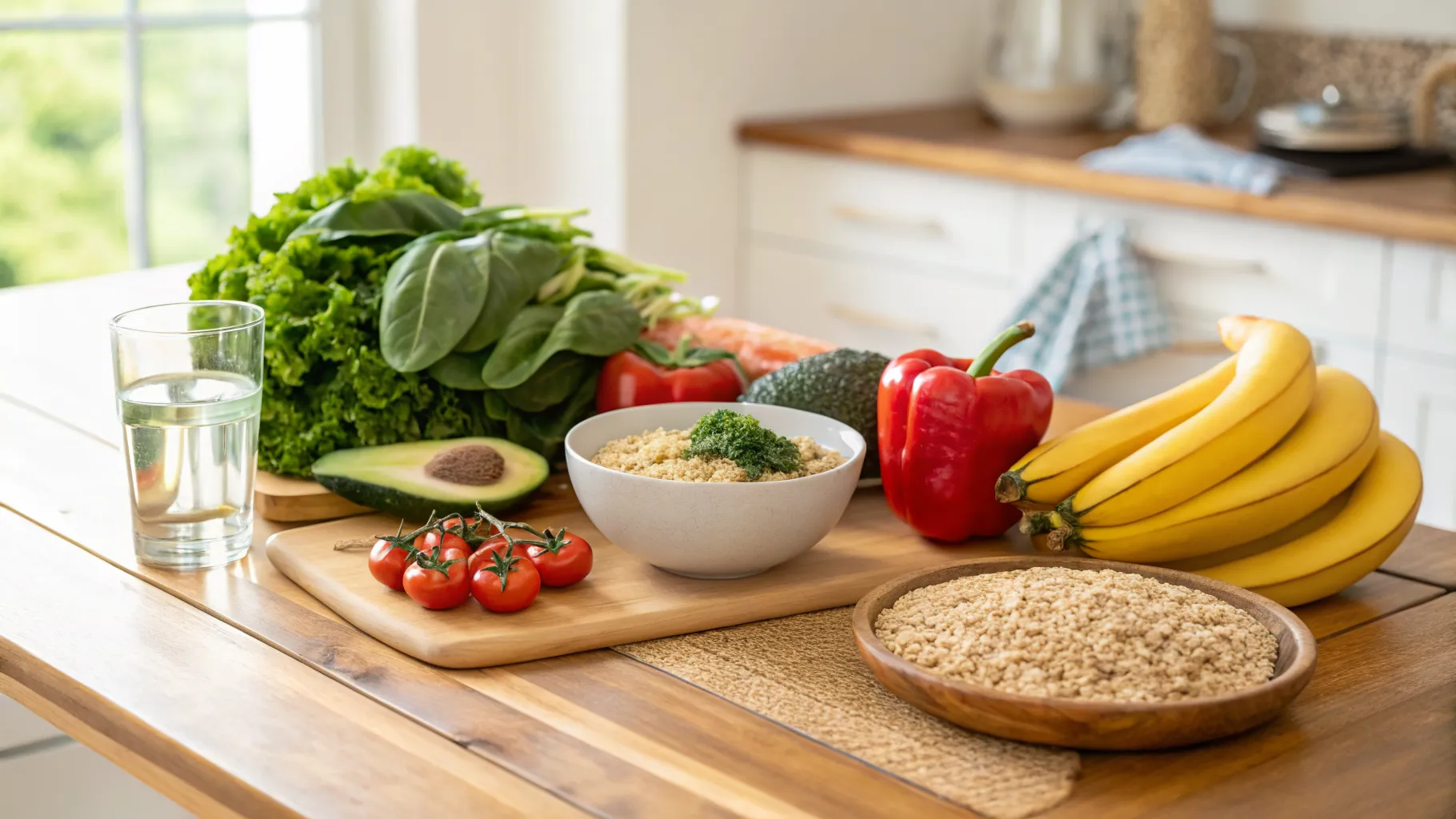
Nutrition is arguably the most impactful tool for lowering blood pressure naturally. The primary strategy revolves around a whole-foods, plant-forward eating plan. The DASH (Dietary Approaches to Stop Hypertension) diet is a gold standard, emphasizing fruits, vegetables, lean proteins, and whole grains while limiting sodium, red meat, and sugary beverages. A key component of a successful diet for high blood pressure is drastically reducing sodium intake. Processed, packaged, and restaurant foods are the biggest culprits. Reading labels and cooking at home gives you complete control. Conversely, increasing potassium intake from sources like bananas, sweet potatoes, spinach, and avocados helps to counterbalance sodium's effects and ease tension in your blood vessel walls, contributing significantly to effective hypertension management.
Movement as Medicine: The Power of Regular Exercise
Physical activity is a non-negotiable part of hypertension management. Regular exercise makes your heart stronger, allowing it to pump more blood with less effort. This reduces the force on your arteries, directly resulting in lowering blood pressure. The goal should be at least 150 minutes of moderate-intensity aerobic exercise, like brisk walking, cycling, or swimming, per week. Incorporating two days of strength training can provide additional benefits. Consistency is more important than intensity. Even small bursts of activity throughout the day, such as taking the stairs or going for a short walk on your lunch break, contribute to better cardiovascular health. These consistent lifestyle changes for hypertension can be as effective as some medications for certain individuals.
Mastering Your Mind: Stress Reduction for Heart Health
The link between chronic stress and high blood pressure is well-established. When you're stressed, your body produces a surge of hormones that temporarily increase your blood pressure by causing your heart to beat faster and your blood vessels to narrow. Chronic stress can lead to sustained high levels. Techniques such as mindfulness meditation, deep breathing exercises, yoga, and spending time in nature can significantly aid in natural blood pressure control. These practices help calm your nervous system, reduce stress hormones, and promote a state of relaxation. Prioritizing quality sleep is another critical component, as poor sleep is directly linked to higher blood pressure levels. This aspect of hypertension management is often overlooked but is vital for long-term success.
Key Lifestyle Changes for Hypertension: Beyond Diet and Exercise
While diet and exercise are pillars, other habits play a significant role. Limiting alcohol consumption is crucial, as drinking too much can raise blood pressure to unhealthy levels. If you drink, do so in moderation. Quitting smoking is one of the single best things you can do for your heart, as nicotine raises blood pressure and damages artery walls. Maintaining a healthy weight is also paramount, as blood pressure often increases as weight does. Even a small amount of weight loss can make a big difference in lowering blood pressure. These comprehensive lifestyle changes for hypertension work synergistically to create a powerful, holistic approach to managing your health effectively and sustainably.
Your Action Plan for Sustainable Blood Pressure Management
Creating lasting change requires a clear plan. Here are actionable steps you can take to begin your journey toward better health:
- Monitor at Home: Invest in a reliable home blood pressure monitor. Tracking your numbers provides valuable feedback and motivation, helping you understand how your lifestyle changes for hypertension are working.
- Reduce Sodium Systematically: Don't try to eliminate all salt overnight. Start by checking labels on packaged foods and choosing low-sodium versions. Focus on flavoring your food with herbs, spices, garlic, and citrus instead of salt.
- Incorporate Potassium-Rich Foods: Make it a goal to include a high-potassium food with every meal. A banana with breakfast, a spinach salad for lunch, and a side of sweet potato at dinner can significantly boost your intake. This is a core part of any effective diet for high blood pressure.
- Schedule Your Workouts: Treat exercise like any other important appointment. Block out time in your calendar for walks, bike rides, or gym sessions. This commitment is key to successful hypertension management.
- Practice Daily Mindfulness: Dedicate 10 minutes each day to a stress-reducing activity. Use a meditation app, practice deep breathing exercises, or simply sit quietly in a calm space. This small habit can have a big impact on lowering blood pressure over time.
Frequently Asked Questions
What is the most effective method for natural blood pressure control?
The most effective approach is a comprehensive one that combines several strategies. A balanced diet for high blood pressure, rich in fruits, vegetables, and low in sodium, coupled with regular physical activity and effective stress management, typically yields the best results for long-term hypertension management.
How quickly can lifestyle changes for hypertension show results?
Results can vary, but many people see a noticeable drop in their blood pressure within a few weeks of consistently implementing positive changes. Significant improvements in your natural blood pressure control are often observed within one to three months. Consistency is the most critical factor for seeing and maintaining results.
Can I stop my medication if I succeed in lowering blood pressure naturally?
You should never stop or change your medication without consulting your healthcare provider. While successful lifestyle changes for hypertension may reduce or even eliminate the need for medication for some individuals, this decision must be made in partnership with your doctor who can safely monitor your progress.
References
- Dietary Approaches to Stop Hypertension (DASH) Diet Guidelines.
- The Role of Physical Activity in the Management of Hypertension.
- Stress and Its Effects on the Cardiovascular System.
- Potassium Intake and Blood Pressure: A Review of the Evidence.
Authored by 24Trendz team