Preventing Macular Degeneration Vision Loss: A Comprehensive Guide
Facts:
- AMD is a leading cause of vision loss over 50.
- Early detection significantly improves outcomes for people at risk of age-related macular degeneration (AMD).
Understanding the Path to Macular Degeneration Vision Loss Prevention
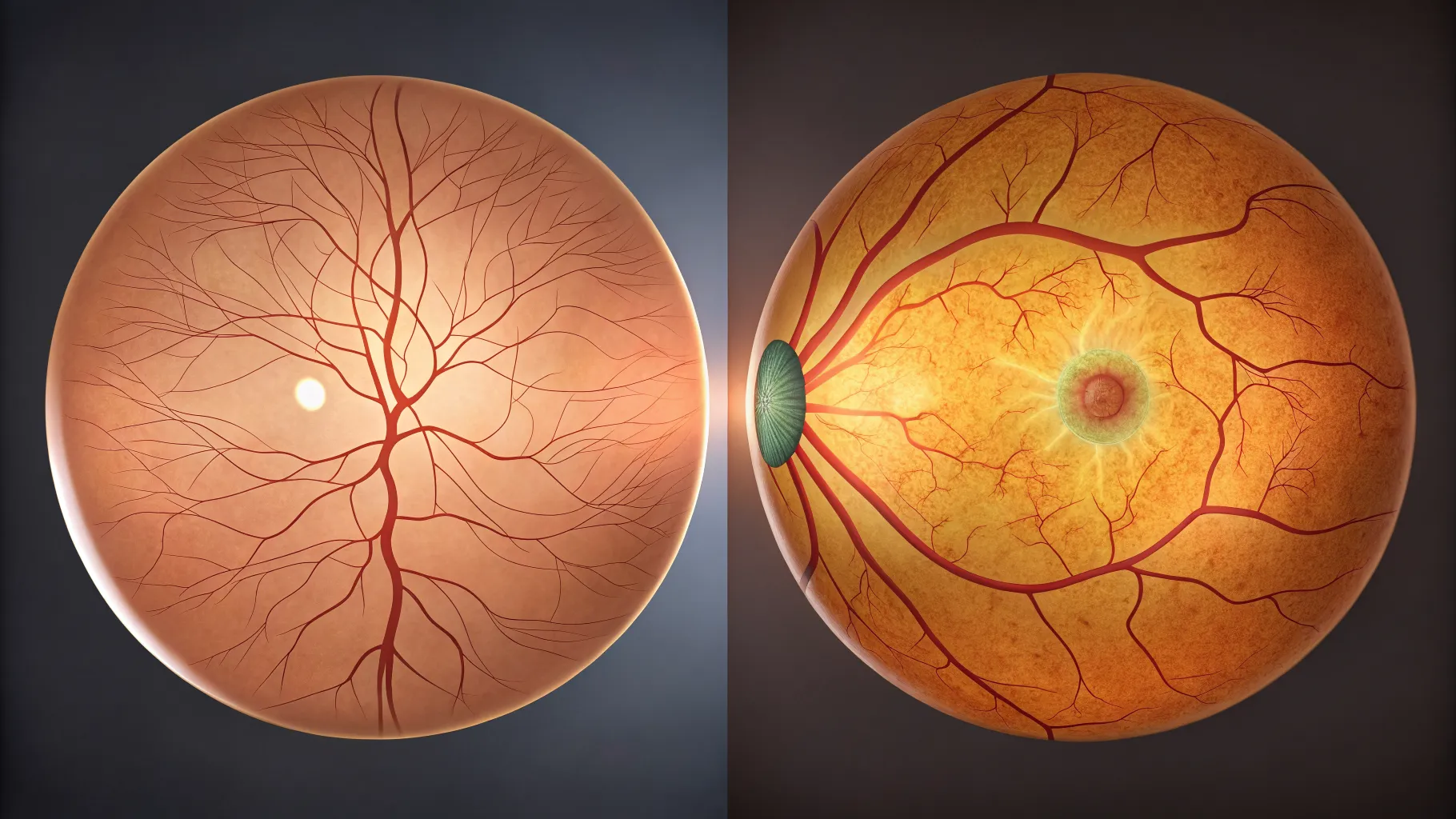
Preserving your sight is paramount, and understanding the steps for macular degeneration vision loss prevention is the first critical action. This condition, primarily known as age-related macular degeneration (AMD), affects the macula, the part of the retina responsible for sharp, detailed central vision. Without proactive measures, it can lead to significant impairment, making everyday tasks like reading and driving difficult. The primary goal is to mitigate the known AMD risk factors and adopt a lifestyle that supports long-term ocular health, focusing on nutrition and regular check-ups to catch any changes early before they progress to severe central vision loss.
Key Lifestyle Adjustments to Prevent Central Vision Loss
Lifestyle choices play a monumental role in managing your risk for age-related macular degeneration (AMD). One of the most significant AMD risk factors is smoking, which can double or even triple the risk of developing the condition. Quitting smoking is arguably the single most effective step you can take for macular degeneration vision loss prevention. Additionally, maintaining a healthy weight and regular cardiovascular exercise helps ensure good blood flow to the retina. Protecting your eyes from excessive UV and blue light exposure by wearing sunglasses and using screen filters is another crucial preventative measure. These habits collectively reduce oxidative stress on the eyes, a key contributor to the development and progression of AMD and the subsequent risk of central vision loss.
The Critical Role of a Healthy Diet for Eyes
Nutrition is a cornerstone of preventing vision loss. A healthy diet for eyes is rich in specific antioxidants and nutrients that protect the macula from cellular damage. Key components include leafy green vegetables like spinach, kale, and collard greens, which are packed with lutein and zeaxanthin. These carotenoids are found in high concentrations in the macula and act as a natural sunblock. Furthermore, consuming fatty fish like salmon, tuna, and mackerel provides essential omega-3 fatty acids, which have anti-inflammatory properties beneficial for retinal health. Incorporating colorful fruits and vegetables, such as oranges, bell peppers, and berries, supplies Vitamin C and other antioxidants. A consistent healthy diet for eyes is a powerful, proactive strategy against age-related macular degeneration (AMD).
Understanding AREDS2 Supplements for AMD
For individuals at intermediate or high risk of progressing to advanced age-related macular degeneration (AMD), specific nutritional supplements may be recommended by an eye care professional. The Age-Related Eye Disease Studies (AREDS and AREDS2) identified a specific combination of vitamins and minerals that can slow the progression of the disease. These formulations, known as AREDS2 supplements, typically contain high doses of Vitamin C, Vitamin E, lutein, zeaxanthin, zinc, and copper. It is crucial to understand that these supplements are not a cure and are not generally recommended for people with no or early AMD. Consulting with an ophthalmologist is essential to determine if AREDS2 supplements are an appropriate part of your macular degeneration vision loss prevention plan, as they can interact with other medications and are designed for specific risk profiles.
Identifying and Managing AMD Risk Factors
Awareness of AMD risk factors is fundamental to prevention. While age is the most significant factor, genetics also play a role; having a close relative with the condition increases your risk. Other controllable factors include high blood pressure, high cholesterol, and obesity. Managing these systemic health issues through diet, exercise, and medication not only benefits your overall health but also directly contributes to your macular degeneration vision loss prevention efforts. Regular, comprehensive eye exams are vital, especially for those over 50. These exams allow an eye doctor to detect early signs of age-related macular degeneration (AMD), such as the presence of drusen (yellow deposits under the retina), long before you experience any symptoms of central vision loss.
Actionable Steps to Safeguard Your Vision
Taking control of your eye health involves a series of practical, daily actions. By integrating these steps into your routine, you can actively work towards preventing serious vision problems.
- Schedule Annual Dilated Eye Exams: This is the most important step for early detection. An ophthalmologist can spot the early signs of age-related macular degeneration (AMD) before significant central vision loss occurs, allowing for timely intervention.
- Monitor Your Vision at Home: Use an Amsler grid regularly. This simple tool can help you detect early changes in your central vision, such as wavy lines or blind spots, which are hallmark symptoms of AMD.
- Embrace a Nutrient-Rich Diet: Make a conscious effort to build a healthy diet for eyes. Prioritize leafy greens, colorful fruits, and fish rich in omega-3s to provide your retina with the protection it needs.
- Consult Your Doctor About Supplements: Do not self-prescribe. Discuss your specific AMD risk factors with your eye doctor to see if AREDS2 supplements are right for your situation.
Frequently Asked Questions
Can macular degeneration be completely prevented?
While you cannot eliminate all risk, especially genetic and age-related factors, you can significantly lower your chances of developing advanced age-related macular degeneration (AMD). Effective macular degeneration vision loss prevention focuses on controlling modifiable AMD risk factors like smoking, diet, and cardiovascular health.
What are the first signs of central vision loss?
The earliest signs of central vision loss from AMD can be subtle. You might notice that straight lines appear wavy or distorted, or you may find a blurry or dark spot in the center of your vision. Regular self-monitoring with an Amsler grid can help detect these changes early.
Are all eye vitamins the same as AREDS2 supplements?
No. Many general eye vitamins are on the market, but AREDS2 supplements refer to a specific, high-dose formula proven in large-scale clinical trials to slow the progression of intermediate to advanced AMD. Always check the label and consult your doctor to ensure you are taking the correct formulation for your needs.
References
- National Eye Institute (NEI) - Age-Related Eye Disease Studies (AREDS/AREDS2)
- American Academy of Ophthalmology - Macular Degeneration PPP
- The BrightFocus Foundation - Macular Degeneration Research
- Review of Ophthalmology - Nutritional Supplements for AMD
Authored by 24Trendz team