Low Testosterone Treatment Options for Men's Health 2025
Understanding Low Testosterone and Its Treatment Options
Low testosterone, often referred to as low T, is a condition that impacts millions of men across the globe. It can dramatically alter one’s quality of life and lead to various health complications if left unaddressed. Testosterone is a vital hormone linked to numerous bodily functions, from libido to energy levels, and even muscle mass. As awareness about low testosterone increases, more individuals are seeking testosterone therapy as a means to improve their well-being. In this article, we will delve into the nuances of low testosterone treatment, exploring the various therapies available in 2025 and their respective benefits.
What is Low Testosterone?
Low testosterone signifies having testosterone levels lower than approximately 300 ng/dL, a threshold that can lead to uncomfortable symptoms and potential health risks. A host of symptoms may manifest, including reduced sex drive, fatigue, altered mood, and muscle weakness. Recent studies indicate that nearly 40% of men over the age of 45 may encounter low testosterone levels. This hormonal deficiency stems from a blend of factors, primarily aging, chronic diseases, and lifestyle choices like obesity.
Furthermore, research shows that testosterone levels typically decline by about 1% annually past the age of 30. Compounding this natural decline are lifestyle elements such as chronic stress, sedentary habits, and poor dietary choices. Recognizing the signs of low testosterone early is critical since failure to treat this condition can lead to more severe health issues, including depression and an increased risk of cardiovascular diseases.
Common Symptoms of Low Testosterone
- Decreased energy and persistent fatigue
- Low libido and challenges with erectile dysfunction
- Increased body fat accumulation
- Reduced muscle strength and mass
- Cognitive difficulties such as concentration lapses and memory issues
- Increased irritability and mood fluctuations
Available Treatment Options for Low Testosterone
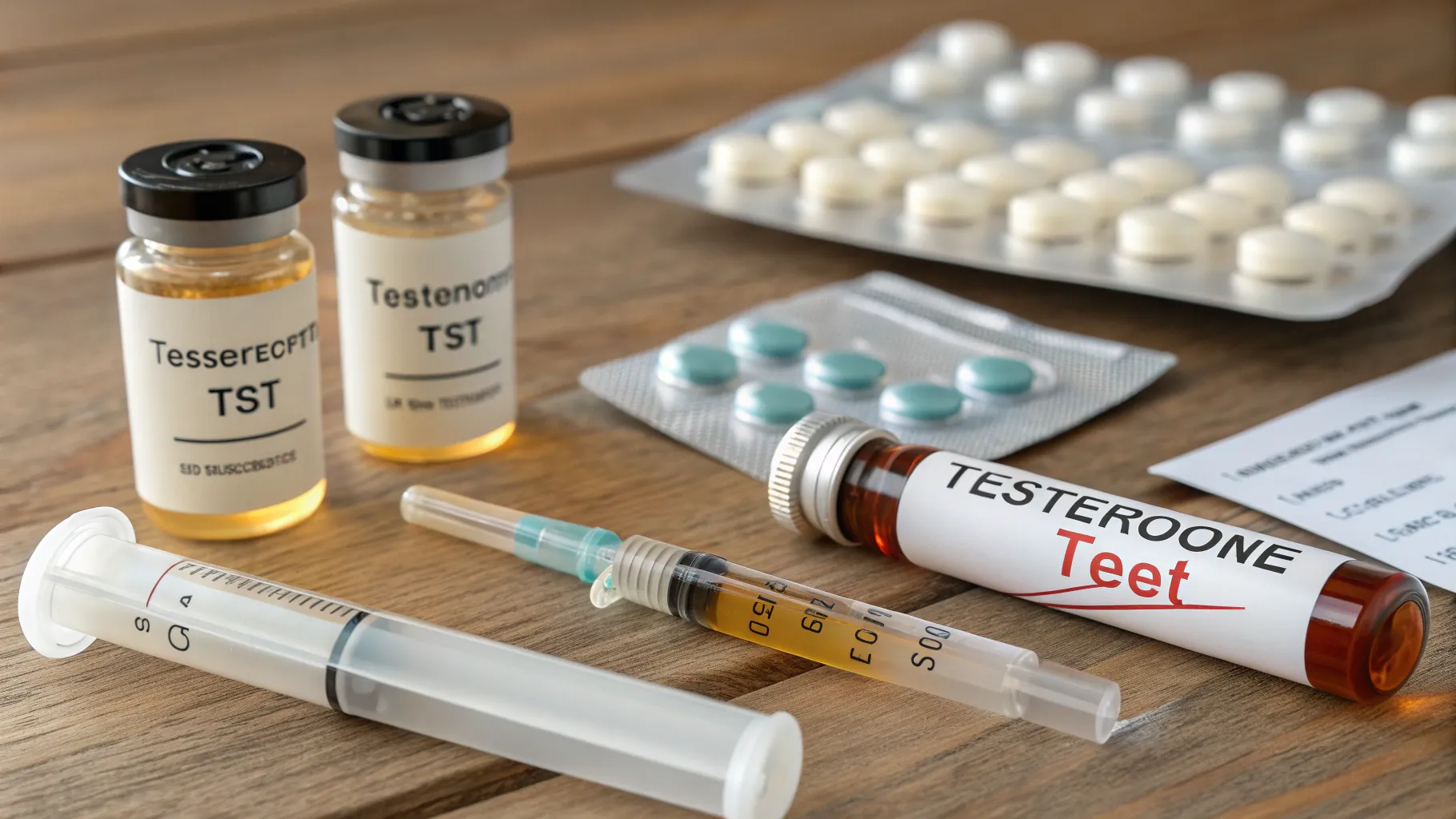
Addressing low testosterone involves various treatment possibilities tailored to the individual’s conditions and lifestyle. The most prominent treatment is known as testosterone replacement therapy (TRT), which can be methodically administered in several ways. Let’s explore the popular types of TRT options in detail:
1. Testosterone Injections
Testosterone injections stand as one of the most prevalent forms of TRT. Administered usually every one to two weeks, these injections can restore testosterone levels rapidly and effectively. According to a recent survey published in the Journal of Clinical Endocrinology & Metabolism, about 70% of men undergoing testosterone injections reported noticeable improvements in mood and energy within the first month.
2. Topical Testosterone Gels
Growing in popularity, topical testosterone gels are another effective option for those diagnosed with low testosterone. These gels are applied directly to the skin, which allows the hormone to enter the bloodstream over time. Many users favor this method due to the simplicity of daily application and avoidance of needles. Studies suggest that around 60% of men who consistently use these gels over three months notice significant enhancements in sexual function and overall quality of life.
3. Testosterone Pellets
Testosterone pellets represent a more permanent solution. These small pellets are inserted under the skin through a minor surgical procedure, releasing testosterone steadily over a span of three to six months. This method is appreciated by many due to its long-lasting effect, which reduces the need for frequent dosing, making it highly convenient for busy individuals.
4. Oral Testosterone
Though less common, oral testosterone tablets are still available and can be an option for certain individuals. They are typically prescribed with caution because of potential liver issues associated with their use. However, for specific cases, they may still provide effective treatment. Patients should discuss extensively with their healthcare providers to find the most suitable method, keeping in mind their overall health profile.
Finding the Right Treatment for You
Selecting the most appropriate TRT low T treatment is imperative, as it should align with an individual’s lifestyle and specific health needs. Consulting with a qualified healthcare provider is essential for accurate testosterone level evaluations achieved via blood tests and to establish a comprehensive treatment plan. In 2025, many leading clinics are also enhancing accessibility through telehealth appointments, enabling men to seek help conveniently from their homes.
Additionally, continual monitoring of patients undergoing testosterone therapy is vital. Regular follow-ups allow physicians to modify dosages and delivery methods as appropriate, preventing side effects such as acne, breast enlargement, or impulsive mood changes.
Potential Benefits of Testosterone Therapy
Men undergoing testosterone therapy frequently report a range of benefits that encompass both physical and psychological improvements. These benefits include:
- Heightened energy levels and reduced fatigue
- Boosted libido, along with enhanced sexual performance
- Increased muscle strength and overall mass
- Improved mood and emotional regulation
- Better cognitive functions, including concentration and memory
- Increased bone density, which mitigates the risk of conditions like osteoporosis
With appropriate dosages and diligent monitoring, testosterone therapy has the potential to significantly uplift the quality of life for men affected by low T. It can facilitate a noticeable improvement in physical health, emotional stability, and mental clarity.
With the ongoing evolution of research and advancements in treatment methodologies, men increasingly have access to tailored solutions for low testosterone. If you are experiencing symptoms of low testosterone, it is crucial to reach out to a healthcare professional promptly. Taking proactive steps today can result in substantial improvements in your overall health and quality of life.
Don’t let low testosterone hold you back from living your best life. Reach out for help today, and discover how testosterone therapy might transform your journey to better health.
Authored by 24Trendz team