Boost Your Liver Health: Techniques and Warning Signs for Optimal Liver Function
Fast Facts:
- Liver disease affects millions globally.
- Early detection of liver damage significantly improves outcomes.
Understanding Liver Health: Essential Techniques and Warning Signs
Maintaining optimal liver health is crucial for overall well-being, as the liver performs over 500 vital bodily functions, from detoxifying harmful substances to metabolizing nutrients. Recognizing the early warning signs of potential liver damage and implementing effective improvement techniques can significantly impact your longevity and quality of life. This comprehensive guide explores key strategies for promoting a healthy liver and identifies critical indicators that warrant medical attention.
Foundational Techniques for Optimal Liver Health
Achieving and maintaining optimal liver health begins with understanding the foundational techniques that support this vital organ. A holistic approach encompasses various aspects of your daily routine. Prioritizing consistent efforts in diet, exercise, and avoidance of harmful substances is paramount. These techniques collectively contribute to improved liver function, reducing the risk of conditions like fatty liver disease and ultimately preventing severe liver damage. It's not about quick fixes but sustainable lifestyle changes.
Dietary Strategies for a Healthy Liver
Your diet plays an indispensable role in supporting or hindering liver health. What you consume directly impacts your liver function and its ability to process nutrients and eliminate toxins. Implementing specific dietary strategies can be a powerful tool in preventing and even managing conditions such as fatty liver disease and other forms of liver damage.
Emphasize Whole Foods
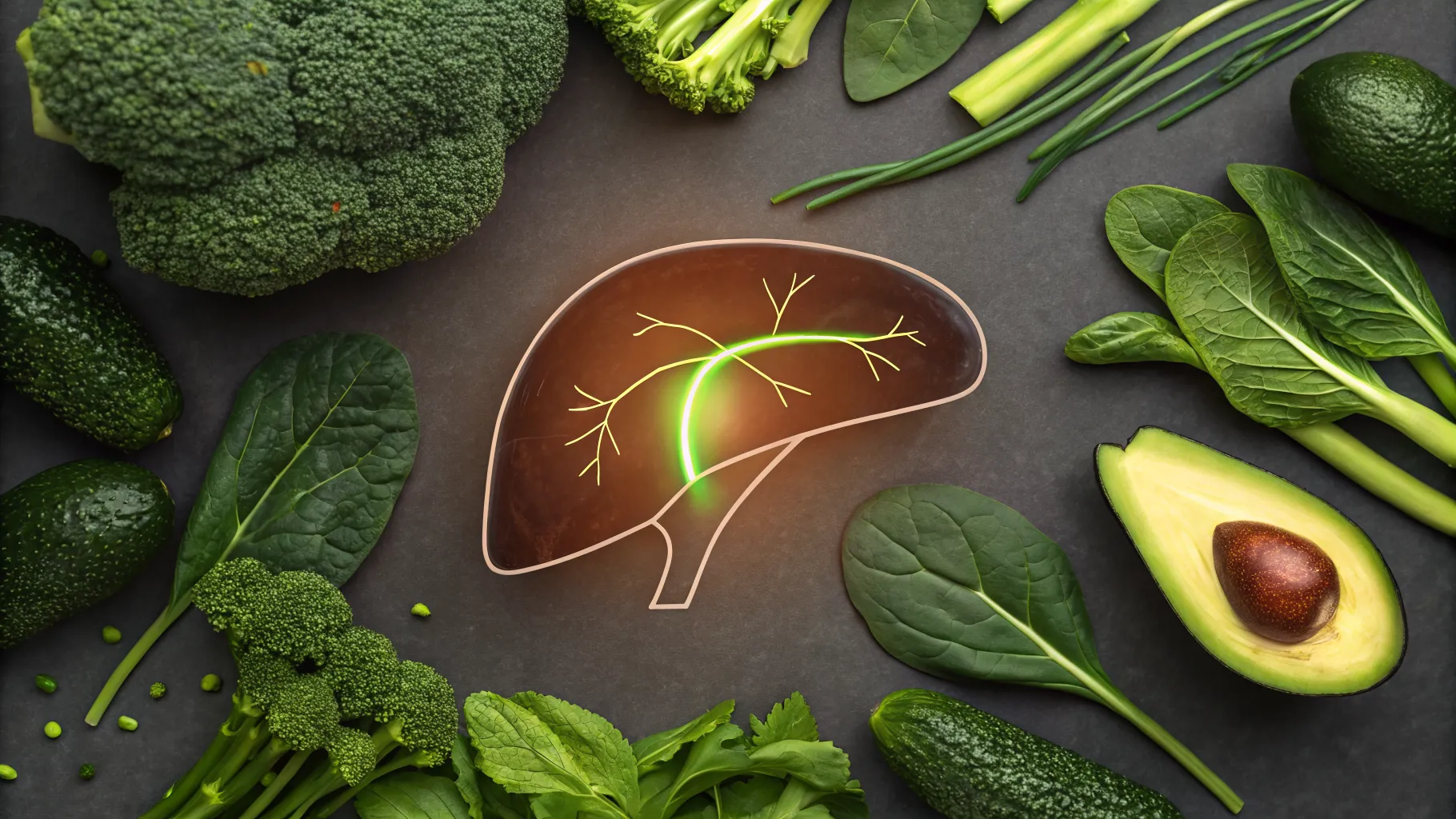
Building your diet around whole, unprocessed foods is a cornerstone of good liver health. This includes a rich variety of fruits, vegetables, whole grains, and lean proteins. These foods provide essential vitamins, minerals, and antioxidants that protect liver cells from damage and support efficient liver function. Opt for vibrant berries, leafy greens, cruciferous vegetables like broccoli, and whole grains such as oats and brown rice.
Limit Processed Foods and Sugars
Excessive consumption of processed foods, refined sugars, and unhealthy fats places a significant burden on your liver. These items contribute to inflammation and can lead to the accumulation of fat in the liver, a primary driver of fatty liver disease. Reducing your intake of sugary drinks, fast food, and highly processed snacks is a critical step towards safeguarding your liver health and preventing further liver damage.
Incorporate Liver-Friendly Foods
Certain foods are particularly beneficial for promoting robust liver function. Garlic, grapefruit, avocados, walnuts, and green tea contain compounds that support detoxification pathways and protect liver cells. Turmeric, a potent anti-inflammatory spice, has also been linked to improved liver health. Regularly incorporating these items into your meals can enhance your liver's natural cleansing abilities.
Lifestyle Adjustments to Prevent Liver Damage
Beyond diet, several lifestyle adjustments are crucial for preventing liver damage and promoting long-term liver health. Regular physical activity, maintaining a healthy weight, and stress management are all integral to supporting robust liver function. These habits reduce the strain on the liver, making it more resilient against various threats, including the progression of fatty liver disease and reducing the risk of viral infections like those targeted by hepatitis prevention efforts.
Recognizing the Crucial Warning Signs of Liver Issues
Early detection of liver damage is paramount for effective treatment and improved outcomes. Many liver conditions, including fatty liver disease, can progress silently for years before severe symptoms appear. Therefore, understanding and recognizing the subtle yet crucial warning signs is vital for protecting your liver health and ensuring timely medical intervention to preserve liver function.
Persistent Fatigue and Weakness
One of the most common early indicators of compromised liver function is persistent and unexplained fatigue, often accompanied by general weakness. This isn't just typical tiredness; it's a profound exhaustion that doesn't improve with rest. The liver's inability to efficiently process toxins and nutrients can lead to this pervasive sense of lassitude, signaling potential liver damage.
Jaundice and Skin Changes
Jaundice, characterized by a yellowing of the skin and whites of the eyes, is a classic sign of impaired liver function. This occurs when bilirubin, a yellow pigment, builds up in the blood because the liver cannot process it effectively. Other skin changes can include dark spots, redness on the palms, or easy bruising, all pointing to potential liver damage.
Abdominal Swelling and Pain
Swelling in the abdomen (ascites) is a significant warning sign, often indicating advanced liver damage. It's caused by fluid accumulation due to the liver's inability to produce enough albumin or process salts and fluids properly. Additionally, persistent pain or discomfort in the upper right quadrant of the abdomen, where the liver is located, can also signal liver problems, including inflammation or enlargement, which are critical indicators of declining liver health.
Dark Urine and Pale Stool
Changes in the color of urine and stool can provide important clues about liver function. Dark urine, resembling cola, can be a sign of excess bilirubin being excreted through the kidneys. Conversely, pale, clay-colored, or tarry stools indicate that the liver is not properly secreting bile, which is essential for fat digestion and normal stool color. These symptoms collectively suggest significant liver damage.
Easy Bruising and Bleeding
The liver produces proteins necessary for blood clotting. When liver function is impaired due to liver damage, its ability to produce these proteins diminishes, leading to easy bruising, prolonged bleeding from minor cuts, or even nosebleeds. This is a more advanced sign and indicates a serious impact on overall liver health.
When to Seek Medical Attention for Liver Concerns
While many of the early warning signs can be subtle, it is crucial to seek prompt medical attention if you experience any of the symptoms mentioned above, especially if they are persistent or worsen over time. Early diagnosis of liver damage, whether from fatty liver disease or other causes, can make a significant difference in treatment outcomes and the preservation of liver function. Regular check-ups are also important for monitoring your overall liver health, particularly if you have risk factors such as a history of alcohol use, obesity, or diabetes, or if you are considering enhanced hepatitis prevention strategies.
Actionable Steps for Enhancing Your Liver Function
- Adopt a Balanced, Whole-Food Diet: Prioritize a diet rich in fruits, vegetables, lean proteins, and whole grains. Minimize processed foods, refined sugars, and unhealthy fats to reduce the burden on your liver and combat fatty liver disease.
- Maintain a Healthy Weight: Obesity is a major risk factor for liver damage. Regular physical activity combined with a healthy diet can help you achieve and maintain a healthy weight, significantly improving liver health.
- Limit Alcohol Consumption: Alcohol is a known hepatotoxin. Moderating or eliminating alcohol intake is one of the most effective ways to protect your liver function and prevent alcohol-related liver damage.
- Stay Hydrated: Drinking plenty of water supports your body's natural detoxification processes, aiding the liver in its vital role.
- Exercise Regularly: Engaging in at least 30 minutes of moderate-intensity exercise most days of the week helps reduce liver fat, improves insulin sensitivity, and contributes to overall liver health.
- Avoid Toxins and Certain Medications: Be mindful of exposure to environmental toxins and always consult your doctor about prescription and over-the-counter medications that can impact liver function.
- Get Vaccinated: Discuss vaccinations for hepatitis A and B with your doctor as part of your hepatitis prevention strategy.
- Regular Medical Check-ups: Schedule routine visits with your healthcare provider to monitor your liver health, especially if you have risk factors or notice any warning signs of liver damage.
Frequently Asked Questions
Can diet alone reverse fatty liver disease?
While diet plays a pivotal role in managing and potentially reversing early-stage fatty liver disease, the effectiveness depends on the severity and individual factors. A balanced diet, rich in fruits, vegetables, and whole grains, coupled with regular exercise, is fundamental. Consulting a healthcare professional is crucial for personalized advice and monitoring your liver health.
What are the primary causes of liver damage?
The primary causes of liver damage include chronic alcohol abuse, non-alcoholic fatty liver disease (NAFLD), viral infections (like hepatitis B and C), certain medications, and autoimmune conditions. Understanding these causes is key to effective hepatitis prevention and maintaining overall liver health and optimal liver function.
References
- World Health Organization reports on liver disease.
- National Institute of Diabetes and Digestive and Kidney Diseases (NIDDK) publications.
- Clinical studies on dietary impacts on liver function.
Authored by 24Trendz team