Warning signs of stomach cancer: A clinical guide to symptoms and evaluation
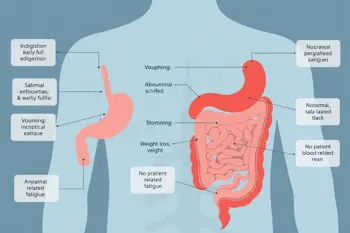
Warning signs of stomach cancer can be difficult to recognize because early disease may produce no symptoms or only mild digestive complaints. Persistent indigestion, unexplained weight loss, early fullness, vomiting, or dark stools should be considered in context rather than assumed to indicate cancer, since many noncancerous conditions can cause the same problems. Symptoms that continue, worsen, or remain unexplained should be assessed by a qualified healthcare professional. 1
Why early stomach cancer can be difficult to notice
Stomach cancer, also called gastric cancer, begins when abnormal cells grow in the stomach lining. In its early stages, it may not cause recognizable symptoms, and the stomach can stretch as a tumor develops. This allows some changes to remain mild or vague for a period of time. Harvard Health reports that symptoms are often absent or nonspecific, while the American Cancer Society emphasizes that early stomach cancer might not cause symptoms at all. 2
When symptoms do appear, they can resemble ulcers, viral illness, reflux, or other gastrointestinal disorders. Occasional stomach pain or temporary indigestion is therefore not, by itself, a specific sign of cancer. Greater concern arises when a digestive change is persistent, progressively worse, unusual for the individual, or accompanied by weight loss, appetite changes, bleeding, or anemia-related weakness. 1
Digestive symptoms that may warrant evaluation
Possible warning signs include ongoing indigestion or heartburn, vague discomfort in the upper abdomen, abdominal pain, bloating after meals, nausea, and vomiting. Some people experience a feeling of fullness after eating only a small amount, known as early satiety. Reduced appetite may also occur. These symptoms are not unique to stomach cancer, but persistence or a pattern of several symptoms can justify a medical assessment. 3
Difficulty swallowing is another symptom reported in gastric cancer, particularly when a tumor develops near the upper stomach or the junction with the esophagus. A new swallowing problem should not be explained solely by ordinary heartburn without evaluation. The location of a tumor can influence which symptoms occur, so the absence of pain does not exclude a significant gastrointestinal problem. 4
Weight loss, appetite changes, and early fullness
Unintentional weight loss is an important warning sign because it can reflect reduced appetite, early fullness, nausea, abdominal discomfort, or the effects of an underlying illness. Stomach cancer may also cause a person to lose interest in food. Weight loss is more concerning when it occurs without a deliberate change in diet or physical activity, especially alongside persistent upper-abdominal symptoms. 1
Early fullness can be particularly easy to overlook. A person may feel hungry before a meal but become uncomfortably full after only a few bites, leading gradually to smaller meals and declining weight. This pattern can have causes other than cancer, including common digestive conditions, but a new or continuing change in eating capacity should be documented and discussed with a clinician. 6
Bleeding, black stools, and anemia-related fatigue
Vomiting blood or passing blood in the stool can indicate bleeding somewhere in the digestive tract. Blood in vomit may appear bright red or resemble coffee grounds, while digested blood can make stool look dark, black, or tarry. The American Cancer Society lists vomiting with or without blood and dark stool among possible stomach cancer symptoms. Visible digestive bleeding requires prompt medical assessment because several serious conditions can cause it. 1
Slow blood loss may not be visible but can contribute to anemia. Anemia can cause tiredness, weakness, reduced stamina, or shortness of breath. Fatigue is therefore not a specific cancer symptom, yet unexplained fatigue combined with abdominal complaints, appetite loss, or dark stools deserves attention. Clinicians may investigate whether blood loss, nutritional deficiency, or another disorder is responsible. 9
Advanced or less common warning signs
Some signs may occur when stomach cancer has become more extensive or has affected nearby structures. These can include abdominal swelling or fluid accumulation, a palpable abdominal mass, jaundice, and increasing weakness. Jaundice, which causes yellowing of the skin and eyes, may occur if cancer spreads to the liver. These findings are not specific to gastric cancer and require medical evaluation to determine their cause. 1
Symptoms can vary according to the part of the stomach involved and whether disease has spread. Tumors near the esophagus may be associated with swallowing difficulty, whereas problems elsewhere may produce fullness, pain, nausea, or bleeding. Because symptom patterns overlap with many other illnesses, symptom lists cannot establish a diagnosis. Testing is needed when a clinician considers cancer or another significant gastrointestinal disorder. 4
Risk context and how doctors investigate symptoms
Risk context can influence how persistent symptoms are assessed. Factors reported in the research include a family history of stomach or gastrointestinal cancer, tobacco and alcohol use, diets high in smoked, salted, pickled, or processed foods, low fruit and vegetable intake, persistent stomach irritation or ulcers, previous stomach surgery, and certain demographic patterns. These factors do not prove that symptoms are cancer-related, but they can inform discussions about evaluation. 2
There is no routine stomach cancer screening program for average-risk people in the United States. When symptoms or risk factors warrant investigation, evaluation may include an upper gastrointestinal endoscopy, during which a clinician examines the stomach and can obtain a biopsy. A biopsy is used to determine whether abnormal tissue is cancerous. Persistent indigestion, early fullness, vomiting, black stools, swallowing difficulty, or unexplained weight loss should be described accurately, including onset and progression. 5
Sources
- American Cancer Society, Signs and Symptoms of Stomach Cancer
- Harvard Health, Stomach Cancer: A to Z
- GW Cancer Center, Gastric Cancer Symptoms
- Roswell Park Comprehensive Cancer Center, Early Signs of Stomach Cancer
- National Cancer Institute, Stomach Cancer Symptoms
- Mayo Clinic, Stomach Cancer Symptoms and Causes
- MedlinePlus, Stomach Cancer
Authored by 24Trendz team