Ways to manage arthritis stiffness at home: A comprehensive guide to therapeutic movement and environmental adjustments
For many individuals living with various forms of inflammatory arthritis, including rheumatoid arthritis and ankylosing spondylitis, mornings are frequently the most challenging portion of the day 1. Stiffness often results from overnight immobility, where the synovial fluid-which functions like oil in a machine-thickens and fails to circulate effectively 1. While these sensations can feel overwhelming, consistent daily habits can create meaningful shifts in comfort and function 1. This article explores clinical approaches to managing this persistent stiffness through movement, heat, and structural adjustments.
The Physiological Basis of Morning Stiffness
The sensation of locked or rigid joints upon waking is primarily attributed to prolonged inactivity during sleep. When the body remains still for several hours, inflammatory substances can accumulate around the joints, leading to increased swelling and discomfort 1. This phenomenon explains why many individuals experience stiffness that may persist for thirty minutes up to several hours after rising 1. As movement begins in the morning, circulation improves, allowing the synovial fluid to thin while inflammatory substances are gradually cleared from the affected areas 1.
Understanding this process is essential for long-term management. Because inactivity promotes fluid thickening, the goal of a morning routine is to facilitate gradual circulation. Muscles and soft tissues often tighten overnight, which contributes to the perception of immobility 1. By incorporating gentle, low-intensity movements before getting out of bed, individuals can begin to loosen these structures and mitigate the intensity of the morning transition 8. A structured approach, often guided by physical or occupational therapists, can optimize these early-day efforts 8.
Therapeutic Application of Heat and Cold
Heat therapy remains one of the most accessible and effective methods for relaxing stiff joints and soothing tired muscles 5. By applying warm water through showers or using heating pads, blood vessels dilate, which enhances the delivery of oxygen and nutrients to the tissues 5. Maintaining a water temperature between 92 and 100 degrees Fahrenheit is generally recommended for safe and effective warming 5. This thermal intervention can be particularly useful before performing daily exercise or starting a walk, as it prepares the tissues for movement 5.
Conversely, cold therapy serves a different role in the management of arthritis. While heat is intended to loosen, cold treatments are most effective during acute flare-ups characterized by sudden swelling or redness 5. Cold acts by constricting blood vessels, which serves to decrease inflammation and numb localized pain 5. It is important to avoid applying heat during periods of acute inflammation, as the increased circulation may exacerbate swelling. Developing a balance between these two therapies requires monitoring how the body responds to each condition, ideally in consultation with a medical professional 6.
Range-of-Motion Exercises for Joint Health
Movement is a critical component of joint health, as it promotes the circulation of synovial fluid and prevents the surrounding muscles from weakening 8. Range-of-motion exercises aim to move a joint to its full functional limit, providing a mechanical stimulus that discourages stiffness 2. Simple, consistent exercises can be performed at home, even during times of mild pain, provided they are conducted with gentle movements 2. For instance, hand exercises-such as touching fingertips to the palm or stretching the thumb across the hand-can maintain dexterity in smaller joints 2.
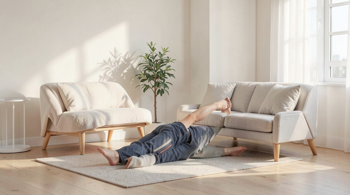
Beyond the hands, shoulder and knee movements play a vital role in overall stability. Lying on the back to raise arms slowly or using a chair for leg swings helps maintain flexibility without placing undue stress on the joints 2. These exercises are not designed to cause fatigue, but rather to preserve the functional range of motion needed for daily activities 4. Because arthritis often leads to protective guarding-where an individual holds a joint still to avoid pain-these controlled movements help reverse the cycle of atrophy and restriction 6.
| Exercise Type | Target Area | Primary Benefit |
|---|---|---|
| Range-of-Motion | Hands/Wrists | Dexterity and flexibility |
| Aerobic | General | Cardiovascular health and inflammation reduction |
| Strength Training | Major Muscle Groups | Joint support and stability |
Lifestyle Adjustments and Assistive Tools
Environmental modifications can significantly reduce the physical strain associated with arthritis at home. Upgrading daily tools to include ergonomic designs, such as lever-style door handles or utensils with larger grips, minimizes the force required for everyday tasks 8. These simple changes allow individuals to perform routine activities, such as cooking or opening doors, with less irritation to the small joints of the hands 8. Additionally, attention to the sleep environment, such as utilizing supportive mattresses or cervical pillows, can prevent awkward positioning that contributes to morning stiffness 8.
Dietary choices also represent a long-term strategy for managing systemic inflammation. Research indicates that plant-based, anti-inflammatory eating patterns can lead to a reduction in chronic pain and joint-related swelling 3. Integrating foods rich in Omega-3 fatty acids, such as certain types of fish or walnuts, is often cited in clinical guidelines as a supportive measure 7. Furthermore, maintaining a healthy weight remains a cornerstone of arthritis management, as it reduces the mechanical load placed on weight-bearing joints like the knees and hips 7.
Integrating Mind-Body Practices
Mind-body interventions, including Tai Chi and yoga, provide structured approaches to improving balance and joint mobility. These practices emphasize controlled, slow movements that can be adapted to various levels of physical ability 9. By focusing on body alignment and controlled motion, individuals can learn to move in ways that avoid excessive joint stress while simultaneously improving strength and flexibility 4. Such interventions are often incorporated into broader physical therapy plans designed to maintain independence and function 8.
It is important to emphasize that while these home-based strategies are effective for management, they work best when balanced with appropriate medical oversight. Consistent, low-impact exercise of 150 to 300 minutes of moderate-intensity activity per week is recommended by federal and organizational guidelines 3. Working with a physical therapist to create a personalized routine ensures that exercises are performed safely, addressing individual needs and preventing overexertion 3. Through these combinations of physical, environmental, and behavioral modifications, many individuals can significantly improve their daily quality of life 7.
Sources
- Arthritis Ireland: 5 tips to alleviate morning stiffness when living with arthritis
- Harvard Health Publishing: Range-of-motion exercises for arthritis
- Arthritis Foundation: Natural relief for arthritis pain
- University of Rochester Medicine: Stretching exercises for arthritis
- Arthritis Foundation: Heat therapy helps relax stiff joints
- Arthritis Foundation: Tips to ease joint pain
- Cleveland Clinic: 7 Osteoarthritis self-care tips
- For Your Life: Top tips to manage arthritis-related morning stiffness
- Village Physio: Struggling with arthritis at home? 5 simple ways to stay mobile
Authored by 24Trendz team