Natural remedies for lower back pain: Evidence, safety, and self-care guidance
What natural care can realistically address
Natural remedies for lower back pain are most relevant to nonspecific pain, meaning discomfort not clearly linked to a specific structural disorder. Most episodes improve over days or weeks, while pain lasting longer than 12 weeks is considered chronic and may require a more individualized plan. Active self-management is generally emphasized over prolonged rest, but natural care does not identify or correct every cause, including nerve compression, spinal stenosis, disc problems, or pain following major trauma. 1
- Common contributors include muscle or ligament strain, awkward movement, prolonged sitting, and reduced strength or flexibility.
- Persistent, recurrent, or disabling symptoms warrant assessment rather than indefinite home treatment.
Movement and exercise as the foundation
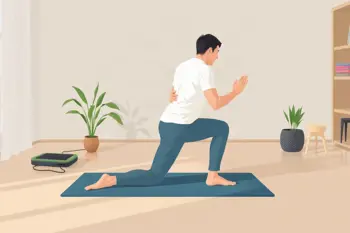
Staying physically active is one of the most consistently supported approaches for nonspecific lower back pain. Evidence summarized by the American Academy of Family Physicians indicates that people with acute pain lasting less than six weeks generally benefit more from continued activity than from rest, while exercise therapy can reduce pain intensity in subacute and chronic cases. Targeted exercise may include walking, strengthening, mobility work, or supervised physical therapy, with the specific choice depending on symptoms and function. 2
- Avoid prolonged bed rest, which can delay recovery.
- Increase activity gradually and stop movements that clearly worsen symptoms.
- Physical therapy can help match exercises to the suspected cause and functional limitations.
Heat, rest periods, and daily self-care
Superficial heat, such as a heating pad or warm pack, may provide short-term relief for acute or subacute pain, muscle stiffness, or spasm. The NHS also advises remaining active, avoiding prolonged bed rest, and using heat for stiffness or muscle spasm. Short rest periods can be reasonable during a flare, but extended inactivity is not generally the preferred strategy. Heat should be used carefully to avoid skin injury, particularly when sensation is reduced. 3
- Heat is mainly a symptom-relief measure, not a treatment for nerve compression or structural disease.
- Gentle walking and ordinary daily movement may be more useful than remaining in one position.
- Severe or worsening pain should not be managed with heat alone.
Yoga, tai chi, and mind-body approaches
Yoga may produce small improvements in pain and back-related function for adults with chronic nonspecific lower back pain, although evidence does not establish that it is superior to other exercise programs. A 2026 systematic review and meta-analysis evaluated tai chi for chronic nonspecific lower back pain, including pain, functional disability, and sleep outcomes. Mindfulness-based stress reduction, progressive relaxation, and behavioral approaches may also reduce pain for some people, although effects on physical function vary. 4
- Choose gentle, adaptable movements rather than forcing painful positions.
- Mind-body approaches may be particularly relevant when stress, poor sleep, or fear of movement complicates recovery.
- Qualified instruction can help modify activities for limited mobility or radiating symptoms.
Acupuncture, massage, and spinal manipulation
Acupuncture can provide modest short-term improvements in pain and function for some people with chronic lower back pain, but results vary and treatment should be delivered by a qualified practitioner. Massage may offer short-term relief, especially when combined with exercise or other active care. Spinal manipulation may produce small improvements for selected adults, although temporary adverse effects can occur, and evidence does not show improved short-term function compared with placebo in some acute cases. 5
- These approaches are generally adjuncts rather than replacements for activity and rehabilitation.
- Practitioner training, hygiene, communication about medical history, and symptom monitoring matter.
- Traction is not supported as an effective treatment in the cited evidence summary.
Herbal products and supplements
Evidence for herbal products and dietary supplements as treatments for lower back pain is limited. Supplements can interact with medicines, vary in quality, and may create risks for people with chronic diseases, pregnancy, allergies, or medication-sensitive conditions. The available research supports caution rather than assuming that a product labeled natural is effective or harmless. Painkillers, when used, are generally described as additions to active treatments and are not intended for long-term use without medical guidance because some can cause serious adverse effects. 6
- Check potential interactions with a pharmacist or clinician.
- Do not substitute supplements for evaluation of persistent or neurologic symptoms.
- Evidence quality, dosing, purity, and regulatory oversight may differ among products.
Safety limits and reasons to seek care
Natural self-care is most appropriate when pain is mild or moderate, follows a familiar strain or flare, and is gradually improving without warning signs. Harvard Health recommends an accurate diagnosis for recurrent or chronic pain and identifies qualified professionals such as physical therapists, physicians, and rehabilitation specialists as possible sources of care. Persistent symptoms can reflect conditions requiring a tailored examination, imaging, blood tests, or nerve testing rather than repeated home remedies. 7
- Arrange medical assessment for pain that persists beyond the expected recovery period, repeatedly returns, or substantially limits ordinary activities.
- Do not assume that a single remedy is appropriate for every type of lower back pain.
- Combine symptom relief with gradual restoration of movement and function.
Urgent warning signs
Prompt medical evaluation is warranted when back pain occurs with new bowel or bladder problems, numbness around the genitals or saddle area, progressive leg weakness, fever, major trauma, or unexplained weight loss. These symptoms may indicate nerve involvement, infection, serious injury, or another condition requiring urgent assessment. Pain radiating into the buttock or leg can reflect radiculopathy, and its significance depends on the presence, severity, and progression of weakness or sensory changes. 8
- Seek urgent care for loss of bladder or bowel control or saddle numbness.
- Seek prompt evaluation after a significant fall, collision, or other major trauma.
- Do not delay assessment when weakness is progressing or fever accompanies back pain.
Building a practical, evidence-informed plan
A balanced approach begins with education, safe movement, and realistic expectations. Walking, exercise therapy, heat, sleep support, stress management, and selected complementary approaches can be combined according to symptoms and preferences. The cited evidence does not support a single universal remedy or a promise of rapid resolution. Instead, the strongest recurring theme is active participation, gradual return to normal function, and professional input when pain is chronic, recurrent, severe, or neurologically complicated. 9
- Start with tolerable movement and increase duration or intensity gradually.
- Use heat or a mind-body practice for symptom management when appropriate.
- Review persistent symptoms with a qualified healthcare professional.
- Treat red-flag symptoms as a medical issue, not a self-care experiment.
Sources
- Harvard Health Publishing, Create a plan to relieve your back pain
- American Academy of Family Physicians, Nonpharmacologic and Nonsurgical Treatment of Low Back Pain in Adults
- NHS, Back pain
- Cochrane and Frontiers in Pain Research, evidence on yoga and tai chi
- National Center for Complementary and Integrative Health, Back Pain
- NCBI Bookshelf, Medication for the treatment of chronic back pain
- Cedars-Sinai, The Best Stretches and Exercises for Lower Back Pain
- National Institute of Neurological Disorders and Stroke, Low Back Pain
- World Health Organization, Low back pain
Authored by 24Trendz team