Signs you may have ovarian cysts: Clinical Analysis of Symptoms and Diagnostic Considerations
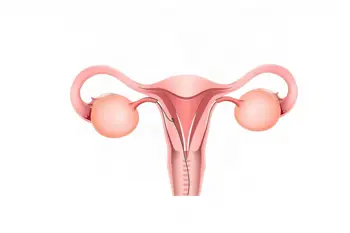
Ovarian cysts are fluid-filled sacs that develop on or inside the ovaries, which are almond-shaped organs responsible for egg production 12. Approximately 10% to 30% of women will experience these growths during their lifetime 7. While many cysts are functional and resolve independently without clinical intervention, identifying the warning signs remains an important aspect of gynecological health 18.
Common Clinical Indicators of Ovarian Cysts
For the majority of individuals, ovarian cysts remain asymptomatic and are often discovered incidentally during routine pelvic examinations or imaging procedures performed for unrelated conditions 710. When symptoms do manifest, the most frequently reported sign is pelvic pain, which patients often describe as a dull, aching sensation or a sharp pain located in the lower abdomen on the side where the cyst is present 17. This discomfort can come and go rather than remaining constant 1.
Beyond localized pain, physical sensations of abdominal fullness, pressure, or a persistent feeling of heaviness are common indications of a growing cyst 18. Bloating and visible abdominal swelling may also occur as the mass increases in size, pressing against surrounding pelvic structures 17. These symptoms often lead individuals to seek medical clarification regarding their reproductive health status 5.
Impact on Bodily Functions and Reproductive Health
As cysts expand, they may exert pressure on adjacent organs, leading to changes in routine bodily functions 7. Pressure on the bladder can result in increased urinary frequency or difficulty in emptying the bladder completely 8. Similarly, pressure on the rectum may cause discomfort or difficulty during bowel movements 8. Some individuals also experience dyspareunia, which is pain during sexual intercourse, often linked to the physical presence of the cyst in the pelvic cavity 8.
Menstrual patterns may also be affected by the presence of cysts, particularly those that disrupt hormonal balance or are associated with conditions such as Polycystic Ovary Syndrome (PCOS) 38. Symptoms can include irregular menstrual cycles or heightened pelvic pain during menstruation 38. Furthermore, some patients report radiating pain that extends into the lower back or down the thighs due to pressure exerted by larger masses 8.
Urgent Symptoms Requiring Medical Attention
While most ovarian cysts are benign and self-limiting, specific symptoms warrant immediate medical evaluation to rule out complications like ovarian torsion or cyst rupture 810. Sudden, severe abdominal or pelvic pain is a significant warning sign that requires urgent diagnostic intervention 18. This is particularly concerning when the pain is accompanied by systemic indicators such as fever or vomiting 18.
Patients should also remain vigilant for signs of shock, which may indicate internal bleeding or severe distress 1. Such clinical indicators include cold or clammy skin, rapid breathing, lightheadedness, or sudden weakness 1. If any of these acute symptoms emerge, seeking emergency care is necessary to prevent potential long-term damage to the reproductive system 58.
Diagnostic Methods and Clinical Evaluation
Because symptoms are often non-specific, healthcare providers utilize various diagnostic tools to confirm the presence and nature of an ovarian cyst 6. A standard pelvic examination is typically the initial step in identifying abnormal growths on the ovaries 24. If a cyst is suspected, a pelvic ultrasound is generally the preferred imaging modality to visualize the size, structure, and content of the cyst, allowing clinicians to distinguish between simple and complex masses 4710.
Depending on the clinical picture, other diagnostic procedures such as blood tests or laparoscopy may be utilized to further evaluate the cyst 6. These assessments help determine if the cyst is a functional byproduct of the ovulation process or linked to other gynecological conditions like endometriosis 26. Consistent monitoring is common practice for stable, asymptomatic cysts, while larger or persistent cysts may necessitate surgical intervention to mitigate the risk of complications 48.
Understanding Cyst Categories and Risk Profiles
Categorizing cysts based on their etiology assists in determining the appropriate management strategy. Functional cysts, which include follicular and corpus luteum cysts, are the most prevalent type and are direct outcomes of the menstrual cycle 24. Follicular cysts occur when an egg-releasing follicle continues to grow, while corpus luteum cysts develop after an egg is released if the follicle seals off and fills with fluid 28.
In contrast, other types of cysts may arise from complex medical issues. Endometriomas, for example, are associated with endometriosis and contain endometrial tissue 3. Dermoid cysts, which are more complex in structure, may contain diverse tissues like skin, hair, or teeth 3. While the likelihood of malignancy is generally low, it is statistically more frequent in individuals over 50 years of age, necessitating increased vigilance in this demographic 49.
Management and Prognosis
The prognosis for most patients diagnosed with ovarian cysts is favorable. Since many are functional, they often disappear independently within a few months without the need for active treatment 12. When treatment is required-such as for persistent pain or large, complex cysts-options may include hormonal birth control to regulate the cycle or surgical removal via laparoscopic procedures or, in severe cases, open surgery 48.
Regular preventative care, including scheduled pelvic exams, remains the most effective strategy for identifying and managing cysts before they lead to significant health complications 26. Patients are encouraged to maintain awareness of their bodies and report persistent pelvic discomfort or changes in menstrual habits to a qualified medical provider to ensure comprehensive reproductive care 57.
Sources
- Mayo Clinic: https://www.mayoclinic.org/diseases-conditions/ovarian-cysts/symptoms-causes/syc-20353405
- Cleveland Clinic: https://my.clevelandclinic.org/health/diseases/9133-ovarian-cysts
- Nebraska Medicine: https://www.nebraskamed.com/health/conditions-and-services/womens-health/ovarian-cysts-symptoms-diagnosis-and-treatment
- Merck Manual: https://www.merckmanuals.com/home/women-s-health-issues/miscellaneous-gynecologic-abnormalities/ovarian-cysts-and-other-benign-ovarian-masses
- Cedars-Sinai: https://webflow-prod.cedars-sinai.org/stories-and-insights/healthy-living/treating-ovarian-cysts
- AdventHealth: https://www.adventhealth.com/blogs/5-signs-you-may-have-ovarian-cyst
- NewYork-Presbyterian: https://www.nyp.org/healthmatters/what-to-know-about-ovarian-cysts
- CU Anschutz Women's Health: https://medschool.cuanschutz.edu/womens-health/clinics/health-info/ovarian-cysts
- American College of Obstetricians and Gynecologists: https://www.acog.org/womens-health/faqs/ovarian-cysts
- RadiologyInfo: https://www.radiologyinfo.org/en/info/ovariancyst
Authored by 24Trendz team