Natural ways to reduce uric acid levels: Evidence, limits, and practical guidance
Natural ways to reduce uric acid levels generally focus on hydration, food choices, weight management, and reducing alcohol or sugary drinks. These measures may support uric acid control and lower the likelihood of gout flares, but their effects are usually modest compared with prescribed urate-lowering treatment. 1
What high uric acid means
Uric acid is produced when the body breaks down purines, compounds found naturally in cells and in some foods. Excess uric acid can accumulate in the blood and may contribute to gout, kidney stones, or joint inflammation. Kidney function is important because the kidneys remove uric acid, and impaired clearance can contribute to elevated levels. 1
Diet is only one part of the picture. Research summarized in the supplied evidence indicates that approximately two-thirds of uric acid is produced internally through normal cell turnover rather than coming directly from food. This helps explain why strict food restriction may not normalize substantially elevated levels by itself. 4
Hydration and beverage choices
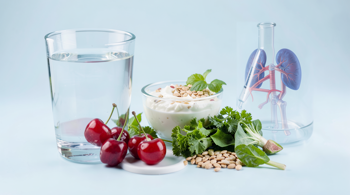
Regular water intake supports the kidneys in excreting uric acid. Practical guidance commonly emphasizes drinking consistently throughout the day and using pale-yellow urine as a general hydration indicator, while avoiding dehydration during illness, heat, or physical activity. People with kidney, heart, or liver conditions should clarify appropriate fluid intake with a clinician. 6
Sugar-sweetened beverages and drinks containing high-fructose corn syrup are important targets because high fructose intake is associated with increased serum uric acid. Fruit juice can also provide concentrated sugar without the fiber of whole fruit. Replacing these drinks with water or unsweetened options may be more relevant than simply focusing on individual high-purine foods. 9
Food patterns that may help
Limiting organ meats, red meat, and certain seafood, including anchovies and sardines, can reduce exposure to concentrated purines. A balanced pattern can instead include vegetables, whole grains, low-fat dairy, eggs, tofu, and moderate portions of lean poultry. The evidence does not support eliminating every plant food labeled high in purines, because overall dietary quality and sustainability also matter. 2
Low-fat dairy products such as yogurt and skim milk may have a uricosuric effect, meaning they may support urinary uric acid elimination. Cherries and cherry products contain anthocyanins that may help with inflammation and could modestly influence uric acid, although they should not be treated as a substitute for medical therapy. Vitamin C-rich foods, including oranges and other fruit, are reasonable components of a balanced diet. 8
Alcohol, coffee, and vitamin C
Alcohol, particularly beer, can increase uric acid production and interfere with its excretion. Avoiding binge drinking and reducing beer intake are therefore established lifestyle considerations for people prone to gout. Alcohol reduction may be especially relevant when attacks follow drinking episodes, although individual triggers vary. 7
Coffee consumption, including caffeinated and decaffeinated coffee, has been associated with lower uric acid levels and a reduced risk of gout in longitudinal observations. Association does not prove that coffee prevents gout, and adding sugar or sweetened syrups may undermine beverage-related dietary goals. A 2026 randomized crossover trial involving 40 adults with high serum uric acid found that vitamin C-containing drinks reduced serum uric acid over a two-week intervention, but the result does not establish a universal supplement dose. 5
Weight, activity, and realistic expectations
For people who are overweight, gradual weight reduction may improve metabolic health and lower serum uric acid. Regular physical activity can support weight management and metabolic stability, but rapid weight loss, dehydration, and highly restrictive diets may worsen gout in some individuals. Sustainable changes are more appropriate than crash dieting, particularly during or immediately after a flare. 2
The expected size of the effect should remain realistic. A purine-restricted diet has been estimated to lower uric acid by about 0.5 to 1.5 mg/dL, while losing 5% to 10% of body weight has been associated with an estimated reduction of about 0.5 to 2.0 mg/dL. These figures are typical estimates rather than guarantees, and individual responses depend on kidney function, medicines, genetics, and baseline uric acid. 3
When natural measures are not enough
For recurrent gout, lifestyle measures are generally complementary rather than curative. The supplied evidence reports that urate-lowering medicines may reduce uric acid by approximately 3 to 6 mg/dL, compared with the smaller average effects of dietary changes. Clinical guidance commonly uses a serum uric acid target below 6 mg/dL for many people with gout, with a lower target sometimes considered when tophi are present. 3
Medical evaluation is appropriate after a first suspected gout episode, repeated attacks, severe pain, fever, kidney stones, or persistent high test results. A clinician may assess kidney function, contributing conditions, and medicines that affect uric acid. Prescribed urate-lowering treatment should not be stopped without supervision, because inconsistent treatment can undermine long-term control. 6
What the evidence says about supplements
Vitamin C may modestly reduce serum uric acid by supporting renal handling, and a 2026 randomized controlled trial found reductions after vitamin C exposure in adults with high uric acid. However, the study included only 40 participants and used a two-week crossover design, so its findings do not prove that supplements prevent gout attacks or replace established treatment. Supplement use also requires attention to medical conditions and possible interactions. 5
A meta-analysis of 21 randomized controlled trials involving 1,502 participants reported that polyphenol supplementation, particularly flavonoid and anthocyanin mixtures, significantly reduced serum uric acid, while stilbenes and curcuminoids did not show significant effects in the available evidence. The review also emphasized minimally processed plant-derived sources and longer interventions, but supplement quality and clinical relevance remain variable. 10
Practical priorities and safety limits
A reasonable sequence is to maintain consistent hydration, eliminate sugar-sweetened beverages, limit beer and binge alcohol, reduce organ meats and high-purine seafood, choose low-fat dairy and balanced meals, and pursue gradual weight management where appropriate. These actions can support prevention, but they should be monitored through symptoms and, when indicated, repeat blood testing rather than assumed to have normalized uric acid. 1
Natural strategies have limits because uric acid is influenced by internal production, renal clearance, genetics, body weight, kidney disease, and medicines. Persistent elevation, joint swelling, kidney stones, or recurrent attacks warrants clinical assessment rather than increasingly restrictive eating. The central evidence-based distinction is that lifestyle changes may reduce triggers and provide modest improvement, while medication may be necessary to reach and maintain a therapeutic uric acid target. 4
Sources
- Artemis Hospitals, “Best Methods to Reduce Uric Acid Levels Naturally”
- Acibadem Hospitals Group, “Gout Diet: Evidence-Based Benefits, Risks, and Practical Guidance”
- GoutPath.com, “How to Lower Uric Acid Naturally: Evidence-Based Strategies That Work”
- Medsbase, “How to Lower Uric Acid: 8 Proven Steps That Work”
- European Journal of Nutrition, “Effect of vitamin C and hesperidin on serum uric acid concentrations”
- GoutSnap, “How to Lower Uric Acid Levels Naturally: 12-Week Protocol”
- Pillsvital, “How to Lower Uric Acid Naturally: Diet, Foods and Home Remedies”
- Healthians, “6 Foods That Can Help High Uric Acid Reduce Levels Naturally”
- HL Benefits, “Uric Acid and Gout Prevention: Diet, Fructose, and the Metabolic Connection”
- Critical Reviews in Food Science and Nutrition, “Dietary polyphenols supplementation and serum uric acid”
Authored by 24Trendz team