Ways to Manage Mild Heartburn at Home: A Clinical Overview of Lifestyle and Non-Prescription Interventions
Understanding the Mechanics of Heartburn
Heartburn is characterized by a burning sensation in the chest, typically occurring just behind the breastbone, often accompanied by a sour or bitter taste in the mouth 8. This discomfort arises when stomach contents, specifically acid, move upward into the esophagus, a process medically known as reflux 2. While common and often temporary, this occurrence results from the lower esophageal sphincter (LES) relaxing or failing to close properly, allowing acid to escape the stomach 7. Because the esophagus lacks the protective lining found in the stomach, this exposure leads to irritation and the classic burning sensation 5.
For many individuals, these episodes remain mild and can be managed effectively without professional intervention 8. However, frequency is a key clinical indicator. Occasional heartburn is generally considered a manageable inconvenience, but symptoms occurring more than twice a week may signal gastroesophageal reflux disease (GERD) 5. Identifying the triggers for these episodes and implementing consistent behavioral changes often serves as the first line of defense for maintaining digestive comfort 7.
Lifestyle Adjustments to Minimize Reflux
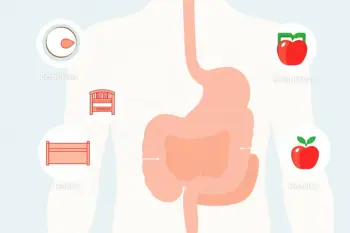
Several modifications to daily habits can significantly reduce the frequency and intensity of acid reflux. One of the most effective strategies involves physical positioning, particularly during and after meals. Individuals are advised to avoid lying down for at least two to three hours after eating to allow gravity to assist in keeping stomach contents down 10. Furthermore, elevating the head of the bed by six to eight inches using a foam wedge or specialized blocks can prevent nighttime reflux by keeping the upper body inclined 3.
Clothing choices also play a role in managing abdominal pressure. Wearing tight-fitting clothing, particularly around the waist, can compress the stomach and force contents upward into the esophagus 6, 9. Opting for loose-fitting garments and avoiding restrictive belts can alleviate unnecessary external pressure 9. Additionally, weight management is widely recognized as a primary factor in reducing chronic symptoms, as excess weight around the abdomen exerts physical pressure on the LES, contributing to the relaxation of the valve 4, 7.
Dietary Modifications for Acid Control
Dietary triggers are highly individual, yet certain food groups are consistently associated with increased reflux risk. Reducing or eliminating intake of specific triggers such as spicy foods, citrus fruits, tomatoes, chocolate, caffeine, mint, and alcohol can lead to a noticeable improvement in symptoms 9, 10. Because large meals increase the volume of stomach contents and the likelihood of pressure on the LES, consuming smaller, more frequent meals throughout the day is a recommended strategy to maintain steadier gastric conditions 1, 10.
Certain natural remedies may also provide auxiliary relief. For example, chewing gum can stimulate saliva production, which helps neutralize and clear acid from the esophagus, though it is best to avoid peppermint-flavored options as they may relax the LES 9. Some evidence suggests that small amounts of non-fat milk or low-fat yogurt with probiotics can offer a soothing buffer for the stomach lining, while ginger is often utilized for its alkaline properties and ability to support digestion 6.
Over-the-Counter Medication Options
For those requiring more than just lifestyle changes, several classes of non-prescription medications exist to manage mild symptoms. These are categorized by their mechanism of action in the digestive tract:
| Medication Class | Primary Function | Usage Note |
|---|---|---|
| Antacids | Neutralize existing stomach acid | Provides rapid, temporary relief |
| H2 Blockers | Reduce total acid production | Slower onset than antacids but longer lasting |
| Proton Pump Inhibitors | Significantly reduce acid production | Effective for frequent, persistent symptoms |
Antacids containing calcium carbonate, magnesium hydroxide, or aluminum carbonate work quickly to neutralize acid already present in the stomach 2. However, they do not address the underlying issue of chronic acid production. H2 blockers, such as famotidine, provide longer-lasting relief by lowering the amount of acid produced by the stomach lining 1, 3. Proton pump inhibitors (PPIs) are generally considered the most potent for suppressing acid, and they can facilitate the healing of the esophageal lining in instances of minor inflammation 3.
The Impact of Smoking on Esophageal Health
Tobacco use is a significant factor that can undermine efforts to control heartburn. Chemicals found in cigarettes and other tobacco products directly affect the muscular integrity of the lower esophageal sphincter, causing it to weaken and relax inappropriately 5, 9. This loosening of the valve creates a structural vulnerability that allows stomach acid to enter the esophagus more easily than in non-smokers 9. Consequently, cessation of smoking is frequently cited by clinical guidelines as a critical step in reducing both the frequency and severity of acid reflux symptoms 3, 5.
When to Consult a Healthcare Professional
While home management is effective for many, it is not a substitute for medical evaluation when symptoms become persistent or severe. Medical attention is warranted if heartburn occurs more than twice a week or if symptoms persist despite the consistent use of over-the-counter medications 8. Difficulty swallowing, unexplained weight loss, or persistent nausea and vomiting are also indicators that a diagnostic assessment may be necessary to rule out more complex conditions 8.
During a professional evaluation, a healthcare provider may employ diagnostic tools such as endoscopy, where a small camera is used to examine the esophagus and stomach, or ambulatory acid probe tests to monitor acid frequency 1. If clinical testing confirms GERD or other structural issues like a hiatal hernia, where a portion of the stomach pushes into the chest cavity, professional treatment plans may involve prescription-strength medications or, in specific cases, surgical interventions to restore the function of the esophageal valve 3, 4.
Sources
- Mayo Clinic: Heartburn Diagnosis & Treatment
- Harvard Health: What's the best way to manage occasional heartburn?
- NIDDK: Treatment for GER & GERD
- Family Doctor: Heartburn Overview
- Cleveland Clinic: Acid Reflux & GERD Symptoms and Treatment
- Verywell Health: How to Get Rid of Heartburn
- Ohio State Health & Discovery: How to Manage Acid Reflux
- Mayo Clinic: Heartburn Symptoms & Causes
- Health.com: 10 Home Remedies for Heartburn Relief
- Acibadem Hospitals Group: Heartburn Remedies Overview
Authored by 24Trendz team