Early signs of high blood pressure to notice: A clinical guide to subtle symptoms and screening
Early signs of high blood pressure to notice can be difficult to identify because hypertension usually causes no observable symptoms. Persistent morning headaches, dizziness, vision changes, unusual fatigue, nosebleeds, or a pounding sensation may occur in some people, particularly when pressure becomes very high, but these symptoms do not confirm the condition. Regular blood pressure screening remains the most reliable way to detect elevated readings before organ damage develops.1
Why high blood pressure is difficult to recognize
High blood pressure is consistently defined by the CDC as a reading at or above 130/80 mm Hg, while normal pressure is below 120/80 mm Hg.2 Blood pressure changes during the day with activity, stress, and other circumstances, so a single reading does not always establish a diagnosis. The central difficulty is that many people feel healthy while elevated pressure gradually affects the heart, brain, kidneys, eyes, and blood vessels.
Hypertension is often described as a “silent killer” because symptoms may be absent even while long-term risks increase. Research summarized by the National Council on Aging reports that more than 40% of adults with hypertension do not know they have it, and nearly 70% of people aged 60 and older are affected.1 These figures explain why symptom-based detection is unreliable and why routine checks matter for adults who feel well.
Subtle symptoms that may appear
When blood pressure rises rapidly or reaches severe levels, some individuals may notice a persistent, dull headache, especially at the back of the skull after waking. Dizziness or light-headedness can also occur, including a feeling of unsteadiness when standing. These symptoms have many possible causes, so they should not be treated as proof of hypertension. Repeated or disruptive symptoms are more appropriately viewed as reasons to obtain a clinical assessment and a blood pressure measurement.
Possible visual clues include blurred vision, double vision, or eye strain. Uncontrolled hypertension can damage the retina’s delicate blood vessels, and an eye examination may sometimes reveal vascular changes before other symptoms are recognized.3 Some people also report unusual tiredness or low energy when the heart is working harder than it should, although fatigue is nonspecific and may reflect numerous other health conditions.4
Symptoms that should not be overinterpreted
Nosebleeds, a pulsating or pounding sensation in the ears, neck, or chest, and feelings of light-headedness are sometimes associated with elevated pressure. However, these signs are not dependable early markers in isolation. Nosebleeds, for example, are described as uncommon and more concerning when repeated without an obvious injury.4 A person can have hypertension without any of these experiences, while someone with normal pressure can experience them for another reason.
Headache, anxiety, palpitations, fatigue, or dizziness may be influenced by stress, medication effects, dehydration, sleep problems, or other medical conditions. The available research therefore supports a cautious interpretation: symptoms may justify checking blood pressure, but only repeated readings reviewed by a health professional can establish hypertension. This distinction helps prevent both false reassurance from feeling normal and unnecessary conclusions based on one nonspecific symptom.
How screening and diagnosis work
Blood pressure is recorded using two measurements. The systolic, or top number, reflects pressure in the arteries when the heart beats, while the diastolic, or bottom number, reflects pressure between beats. Healthcare professionals compare these readings with established guidelines and consider whether pressure remains consistently elevated rather than relying on one isolated result.2 Accurate diagnosis is therefore based on measurement patterns and clinical review.
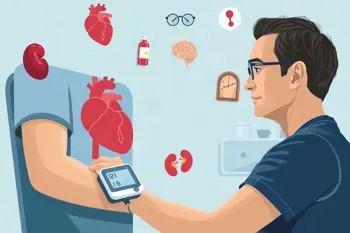
Home monitoring can provide a clearer picture when office readings are affected by stress or when pressure varies substantially. Harvard Health reports that clinicians may use home measurements to identify patterns, evaluate possible white-coat or labile hypertension, and track responses to exercise, medication, or treatment changes.7 Readings are most useful when collected according to healthcare guidance and discussed in context rather than interpreted as a standalone diagnosis.
When symptoms may signal a medical emergency
Severe headaches, nosebleeds, shortness of breath, confusion, chest pain, or major vision changes can occur when blood pressure is dangerously high or when organs are being affected. Mayo Clinic information notes that severe headaches and nosebleeds are more likely to occur with very high pressure rather than ordinary early hypertension.8 Shortness of breath in the setting of a hypertensive crisis requires urgent medical attention, particularly when accompanied by chest discomfort or neurological changes.
Emergency symptoms should be assessed promptly rather than attributed to ordinary hypertension. Difficulty breathing, chest pain, sudden confusion, or sudden vision impairment may indicate serious cardiovascular, neurological, or eye complications. Prime Healthcare identifies severe headaches, vision changes, and difficulty breathing among symptoms that can appear when hypertension is advanced or severe.5 The absence of symptoms does not reduce long-term risk, and the presence of symptoms does not identify the exact cause without medical evaluation.
Why early detection matters
Persistently high pressure forces the heart and blood vessels to work harder and can gradually damage vital organs. Documented complications include heart attack, stroke, heart failure, chronic kidney disease, cognitive decline, dementia, and eye problems.6 The risk becomes more significant as pressure remains above normal over time, which is why identifying hypertension before complications develop is a central objective of preventive care.
Risk can be influenced by age, genetics, smoking, physical inactivity, high sodium intake, alcohol consumption, stress, diabetes, and kidney disease. A family history of hypertension may justify discussing more frequent monitoring with a healthcare team, according to Mayo Clinic reporting.8 Lifestyle changes and prescribed blood pressure medicines may both be used, depending on the readings, overall health, and clinical assessment. Monitoring is an ongoing process rather than a one-time symptom check.
Practical interpretation of warning signs
The most useful approach is to separate possible clues from reliable evidence. Morning headaches, visual changes, dizziness, fatigue, repeated nosebleeds, and pulsation sensations deserve attention when persistent or interfering with daily activities, but they cannot independently diagnose hypertension. A normal-feeling day also cannot exclude it. Cooper Health emphasizes that many patients discover elevated pressure only during routine checks because early symptoms are subtle or absent.4
Regular screening, careful review of repeated readings, and timely assessment of severe symptoms form the clearest detection strategy. High blood pressure is treatable and often manageable when identified early, but uncontrolled disease can silently progress. The CDC states that maintaining pressure in a healthy range helps reduce the likelihood of problems involving the heart, brain, kidneys, and eyes.2 Symptoms should be documented with their timing and severity and presented to a qualified healthcare professional.
Sources
- National Council on Aging, “9 Surprisingly Subtle Symptoms of High Blood Pressure”
- Centers for Disease Control and Prevention, “About High Blood Pressure”
- Cleveland Clinic, “High Blood Pressure (Hypertension): Symptoms & Causes”
- Cooper University Health Care, “Silent Signs of High Blood Pressure”
- Prime Healthcare, “7 Signs You May Have Hypertension”
- Stony Brook Medicine, “Know Your Numbers: Why Blood Pressure Matters”
- Harvard Health, “Monitoring Blood Pressure at Home”
- Mayo Clinic News Network, “High blood pressure can happen at any age”
Authored by 24Trendz team