Natural remedies for joint stiffness: A clinical analysis of lifestyle and therapeutic interventions
The Physiological Mechanisms of Joint Stiffness
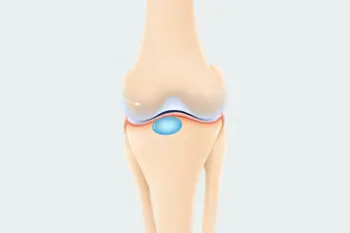
Joint stiffness often serves as a primary indicator of an imbalance in a joint's internal inflammatory response or mechanical integrity 7. At the core of joint health is synovial fluid, a clear, gel-like substance that functions similarly to motor oil in a machine, allowing bones to glide smoothly without friction 1, 7. As individuals age, the body may produce reduced quantities of this fluid, or the fluid itself may become thinner, leading to increased bone-on-bone contact and subsequent discomfort 1, 6.
Understanding the specific pattern of stiffness is essential for determining appropriate management strategies. Stiffness that resolves within 10 to 15 minutes of movement is commonly associated with osteoarthritis, indicating that joints may be dry and require motion to redistribute synovial fluid 3. Conversely, morning stiffness lasting longer than 30 minutes is often a hallmark of inflammatory conditions like rheumatoid arthritis, suggesting active nocturnal inflammation that necessitates a different clinical approach than simple motion or warming techniques 3.
Dietary Strategies for Reducing Inflammation
Nutritional interventions play a significant role in managing systemic inflammation, which is a major contributor to joint rigidity. A Mediterranean-style diet has been linked to measurable reductions in knee pain through consistent adherence, reinforcing the impact of daily intake on joint structure 1, 3. Additionally, the inclusion of omega-3 fatty acids, found in fish oil, is clinically recognized for its ability to decrease morning stiffness and improve physical function in patients with arthritis 11, 12.
Specific culinary herbs are also utilized for their anti-inflammatory profiles. Turmeric, specifically its active compound curcumin, has been subject to multiple randomized clinical trials demonstrating its capacity to inhibit inflammatory cytokines and reduce joint pain 2, 9, 10. Similarly, ginger contains gingerols and shogaols, which help inhibit pro-inflammatory enzymes, potentially improving range of motion 2, 13. Green tea also offers potential benefits through polyphenols like EGCG, which are known to protect cartilage by inhibiting enzymes that contribute to tissue breakdown 11, 16.
Topical and Botanical Interventions
For localized management, several botanical and topical applications have gained support for their ability to soothe stiffness without systemic side effects 7, 19. Boswellia serrata, or Indian frankincense, is frequently identified for its ability to reduce pain and improve mobility in joints affected by osteoarthritis by neutralizing inflammatory mediators 9, 14. Furthermore, capsaicin, which is derived from chili peppers, functions as a topical analgesic by temporarily depleting substance P in nerve endings when applied as a cream 11, 15.
| Remedy | Primary Mechanism |
|---|---|
| Turmeric/Curcumin | Inhibition of inflammatory cytokines |
| Omega-3 Fatty Acids | Reduction of systemic inflammatory response |
| Boswellia Extract | Protection of cartilage and inflammatory mediator suppression |
| Capsaicin | Desensitization of local pain receptors |
| Green Tea (EGCG) | Inhibition of cartilage-degrading enzymes |
The Role of Mechanical and Physical Therapy
Mechanical maintenance through physical activity remains one of the most effective ways to improve joint lubrication and preserve mobility 1. Movement stimulates the body to produce and circulate synovial fluid, which is crucial for nutrient delivery to cartilage, a tissue that lacks a direct blood supply 6, 7. Conversely, prolonged inactivity and sedentary behavior can exacerbate stiffness by slowing circulation and allowing inflammatory markers to accumulate in the joint space 4, 9.
Hot and cold therapy provides a foundational non-pharmacological method for symptom management. Cold therapy is generally recommended to reduce acute swelling, while heat therapy is effective for relaxing muscles and increasing localized blood flow to stiff, immobile joints 5, 11, 17. These methods offer a way to manage symptoms without the long-term risks associated with chronic use of conventional pain medications, such as gastrointestinal or cardiovascular complications 5, 7.
Structural Support and Hydration
Maintenance of joint health also relies on structural support and systemic hydration. Water intake is a critical, often overlooked factor in maintaining the consistency of synovial fluid, directly impacting how effectively the fluid cushions the joint 1, 6. Furthermore, the intake of specific structural components like glucosamine and chondroitin sulfate is often discussed in the context of supporting cartilage integrity, as these substances are naturally occurring elements within healthy joint structures 11, 17.
Weight management and muscle strengthening are equally vital for reducing the physical load on joints. Maintaining a healthy body weight reduces the compressive forces on weight-bearing joints such as the knees and hips, which can slow the progression of cartilage wear 1. Simultaneously, strengthening the muscles surrounding a joint provides essential structural stability, reducing the stress on the joint itself during repetitive movements 1, 4.
Clinical Considerations and Regulatory Context
While natural remedies offer potential for symptom relief, they are not universally effective and should be approached with caution. It is essential for individuals to consult with medical professionals before integrating new supplements or dietary regimens, especially when managing chronic conditions like rheumatoid arthritis or polymyalgia rheumatica 3, 5. Certain conditions require specific medical intervention that cannot be substituted by home remedies, and early diagnosis is critical for preventing irreversible joint damage 3.
Regulatory oversight is important, as not all natural supplements are standardized in quality or dosing. When considering these interventions, individuals should focus on methods backed by rigorous, peer-reviewed clinical research rather than anecdotal evidence. A comprehensive approach that combines targeted lifestyle changes with professional medical guidance often yields the most sustainable outcomes for maintaining long-term joint health and mobility 2, 3.
Sources
- https://www.aarp.org/health/healthy-living/how-to-lubricate-joints-naturally/
- https://exercisedaily.com/natural-remedies-for-joint-stiffness/
- https://www.budgetseniors.com/health-wellness/effective-relief-for-stiff-joints/
- https://yourhealthrights.com/natural-remedies-support-joint-mobility/
- https://orthosportsmed.com/6-home-osteoarthritis-remedies/
- https://ask-ayurveda.com/articles/1274-how-to-lubricate-joints-naturally-and-improve-flexibility
- https://biomedicus.gr/relieve-stiff-aching-joints/
- https://vanvasiayurveda.com/blogs/pain-relief/how-to-reduce-joint-pain-and-stiffness-naturally
- https://thelostherbs.com/how-to-lubricate-your-stiff-joints-naturally/
- https://www.ncbi.nlm.nih.gov/pmc/articles/PMC5664031/
- https://www.arthritis.org/health-wellness/treatment/complementary-therapies/supplements-and-vitamins/fish-oil-for-arthritis
- https://health.harvard.edu/pain/the-omega-3-connection-to-arthritis
- https://www.healthline.com/nutrition/ginger-for-arthritis
- https://health.clevelandclinic.org/boswellia
- https://www.mayoclinic.org/diseases-conditions/arthritis/expert-answers/capsaicin/faq-20058287
- https://www.medicalnewstoday.com/articles/green-tea-for-arthritis
- https://www.nccih.nih.gov/health/glucosamine-and-chondroitin-for-osteoarthritis
- https://www.webmd.com/arthritis/heat-and-cold-therapy-for-arthritis
- https://www.verywellhealth.com/capsaicin-for-arthritis-pain-5095034
Authored by 24Trendz team