Top natural tips for immune support: An analytical guide to evidence-based health resilience
In recent years, the concept of immune system support has evolved from simple marketing claims into a focus on long-term physiological resilience 4. As respiratory seasons present recurring health challenges, many individuals seek practical, science-backed methods to assist the body's natural defense mechanisms 1. Understanding that the immune system is a complex, adaptive network requires moving beyond the idea of quick fixes and instead focusing on consistent, foundational lifestyle habits that promote systemic balance 2, 9.
The Foundational Role of Sleep in Immune Health
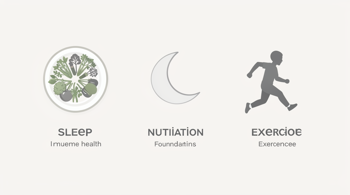
Sleep is considered one of the most vital tools for maintaining immune function 1. During periods of rest, the immune system performs critical tasks, including the coordination of immune cell migration and the training of cells to recognize potential pathogens 1. Adequate sleep specifically influences natural killer cells, which serve as a primary defense line against viral threats, while also assisting B and T cells in forming an immunological memory of past exposures 1. Despite this, research indicates that approximately one-third of adults fail to meet recommended sleep durations, which can contribute to chronic inflammation and increased infection susceptibility 1, 13.
Nutritional Strategies for Immune Resilience
The digestive tract houses approximately 70% of the immune system, making nutritional intake a primary driver of health resilience 6. A varied diet rich in vegetables, fruits, legumes, nuts, and whole grains provides the essential nutrients required for the immune system to function optimally 11. Registered dietitians emphasize the inclusion of specific vitamins and minerals, such as Vitamin A, which supports mucus membranes and white blood cells, and Vitamin B6, which is vital for the production of T cells 3. Fermented foods like yogurt and sauerkraut are also highlighted for their role in fostering a healthy gut microbiome, which subsequently supports immune performance 5, 6.
| Nutrient | Role in Immune Function | Primary Sources |
|---|---|---|
| Vitamin A | Protects mucus membranes and supports white blood cells | Eggs, spinach, carrots, sweet potatoes |
| Vitamin B6 | Assists in producing T cells and white blood cells | Salmon, tuna, chickpeas, tofu, beef |
| Vitamin C | Supports cellular defense and immune response | Citrus fruits, bell peppers, broccoli |
Understanding Immune Modulation vs. Boosting
Naturopathic perspectives suggest that the term "boosting" can be misleading, as a healthy immune system requires balance rather than constant, maximal stimulation 9. For individuals with autoimmune conditions, where the system may already be overactive, the clinical goal shifts toward immune modulation, which involves calming the system to guide it back to an intelligent, regulated state 2, 9. Developing this "terrain" of health involves identifying upstream contributors to dysfunction, such as chronic stress or gut imbalances, rather than merely treating the symptoms of a weakened defense 9.
Lifestyle Habits and Stress Management
Chronic stress and psychosocial factors can negatively impact immune resilience, making stress management a critical component of a proactive health routine 2, 7. Techniques such as mindfulness, intentional breathing during meals, and regular physical activity are evidence-informed strategies to lower stress-related inflammation 5, 11, 20. Public health guidelines recommend that adults engage in at least 150 minutes of moderate-intensity physical activity weekly, along with muscle-strengthening exercises, to support general health and resilience 14.
The Reality of Supplements and Regulatory Oversight
While various supplements are often marketed for immunity, their efficacy is not universally established, and clinical caution is advised 15. In the United States, the FDA does not generally approve dietary supplements for safety or effectiveness before they reach the consumer market, necessitating careful evaluation of any product claims 16. Vitamin D is recognized as essential for immune function, yet intake levels should be determined by individual dietary habits, sun exposure, and professional medical guidance rather than broad supplementation assumptions 11, 15.
Environmental and Behavioral Considerations
External behaviors significantly influence the body's ability to resist infection. Avoiding tobacco smoke is a primary necessity, as smoking has been shown to damage the body's natural disease-fighting capabilities 18. Similarly, limiting excessive alcohol intake is recommended, as heavy alcohol use can impair the immune system and increase vulnerability to illness 17. These behaviors, alongside consistent hydration and balanced daily routines, form the foundational "gardening" approach to maintaining long-term immune health throughout changing seasons 7, 9.
Sources
- Your Local Epidemiologist (substack.com)
- alive.com
- Cleveland Clinic
- HealthFitnessBloom.com
- PartnerMD
- Prevention.com
- Natural Healing Tips
- IMAHealth.org
- Salus Naturopathic Medicine
- Naturecan UK
- World Health Organization
- USDA MyPlate
- CDC (Sleep)
- CDC (Physical Activity)
- NIH Office of Dietary Supplements
- U.S. Food and Drug Administration
- National Institute on Alcohol Abuse and Alcoholism
- Smokefree.gov
- Harvard T.H. Chan School of Public Health
- National Center for Complementary and Integrative Health
Authored by 24Trendz team