Early symptoms of stroke you should know: A Comprehensive Clinical Guide to Rapid Recognition
Recognizing the early symptoms of a stroke is a critical skill for potentially life-saving intervention. Medical professionals emphasize that stroke symptoms appear suddenly and act as urgent signals that the brain is not receiving the necessary oxygen and nutrients to function 1. Because brain cells begin to die within minutes of an interrupted blood supply, understanding these indicators allows for immediate action, which significantly improves the chances of successful recovery and reduces the risk of permanent disability 3, 5.
Understanding the BE FAST Protocol
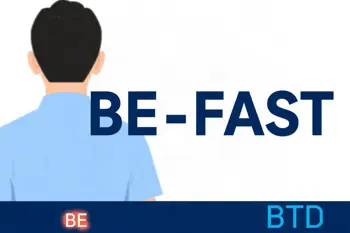
The most widely recognized method for identifying the onset of a stroke is the acronym BE FAST. This framework serves as a shorthand for the most common neurological deficits that occur during a stroke event 5, 8. By breaking down complex medical symptoms into an accessible mnemonic, individuals can quickly assess a situation and determine if emergency services are required 7, 9. Each letter represents a specific clinical indicator that demands immediate medical evaluation 8.
- B - Balance: Sudden onset of loss of coordination or difficulty maintaining balance 5, 8.
- E - Eyes: Sudden changes in vision, such as dimness, double vision, or loss of sight in one or both eyes 3, 5.
- F - Face: One side of the face may appear to droop or feel numb when the person attempts to smile 1, 5.
- A - Arms: Sudden weakness or numbness in an arm or leg, often tested by asking the person to raise both arms to see if one drifts downward 1, 5.
- S - Speech: Difficulties with communication, such as slurred or jumbled speech, or trouble understanding simple phrases 1, 4.
- T - Time: The critical reminder to call 911 immediately if any of these signs are observed 1, 8.
Clinical Manifestations and Physiological Impact
A stroke occurs when blood flow to a region of the brain is either blocked, known as an ischemic stroke, or results from a ruptured blood vessel, known as a hemorrhagic stroke 2, 7. Approximately 85 percent of all strokes are ischemic, meaning they are caused by a clot that stops the delivery of vital nutrients to brain tissue 2, 7. When this supply is cut off, millions of brain cells can begin to perish every minute, making rapid clinical arrival at a medical facility essential 7.
Beyond the primary indicators found in the BE FAST acronym, clinical presentations can include other neurological disturbances. Some individuals may experience severe headaches that occur suddenly without an apparent cause 3, 6. Furthermore, symptoms such as unexplained nausea, vomiting, dizziness, or even a brief loss of consciousness can sometimes indicate a stroke, depending on which part of the brain is affected by the interrupted blood flow 3, 9.
The Critical Nature of Time and Emergency Response
In the medical community, the phrase time is brain underscores the reality that treatment outcomes are heavily dependent on how quickly a patient is evaluated 8. Ischemic stroke treatments are most effective when administered within four and a half hours of the first symptom manifestation 1. However, medical professionals urge that anyone suspecting a stroke must contact emergency services immediately, regardless of how much time has passed, as some interventions remain beneficial up to 24 hours after the onset 1.
It is strongly advised that individuals do not attempt to drive themselves to the emergency room or rely on others to drive them 1. Using an ambulance allows emergency personnel to start life-saving protocols while en route to the hospital 1. Furthermore, observers should note the specific time symptoms first appeared, as this information is vital for doctors to determine the appropriate course of treatment upon arrival 1.
Transient Ischemic Attacks and Their Significance
Some individuals experience symptoms that resolve within a few minutes to an hour; this is clinically referred to as a transient ischemic attack, or TIA 3. Often described as a mini-stroke, a TIA involves a temporary blockage that does not result in permanent damage, yet it serves as a major warning sign 3, 4. Medical experts emphasize that a TIA is a true medical emergency that requires urgent evaluation within 24 hours to mitigate the very high short-term risk of a subsequent, permanent stroke 3.
Risk Factors and Demographic Considerations
While a stroke can occur at any time, in any person, regardless of age or gender, certain risk factors are associated with higher susceptibility 2, 7. Chronic conditions such as high blood pressure, high cholesterol, and poorly controlled diabetes increase the likelihood of experiencing a stroke 2, 8. Lifestyle factors, including tobacco use, physical inactivity, heavy alcohol consumption, and obesity, are also recognized as contributors to the underlying vascular issues that lead to stroke events 2, 8.
Age and family history play significant roles in the prevalence of strokes. The risk is elevated for those aged 55 and older, as well as for individuals with a family history of strokes or heart-related conditions 2, 6. Though most instances occur in older populations, research indicates that approximately 10 percent of strokes affect individuals under the age of 45, reinforcing the necessity for all age groups to remain vigilant regarding potential symptoms 6.
Proactive Management and Secondary Prevention
Beyond symptom recognition, the management of long-term health is central to stroke prevention. Because many risk factors, such as obstructive sleep apnea and hypertension, can be managed, early diagnosis and consistent medical care are primary strategies for reducing risk 2, 5. Neurologists often advocate for regular screenings for these modifiable risk factors, noting that proactive intervention often changes the trajectory of vascular health for the better 5.
Healthcare providers consistently advise against the ingestion of food, drink, or medication if a stroke is suspected 10. Because a stroke may impair the ability to swallow, providing these substances can lead to complications such as choking 10. Furthermore, without a clinical diagnosis, the specific type of stroke remains unknown, and inappropriate medication could potentially exacerbate the condition. Therefore, immediate transport to professional medical facilities remains the only safe and recommended course of action 1, 7.
Sources
- National Institute of Neurological Disorders and Stroke: Signs and Symptoms
- Mayo Clinic: Stroke - Symptoms and causes
- Johns Hopkins Medicine: Stroke
- Government of Canada: Stroke
- Scripps Health: Stroke Warning Signs
- Dartmouth Health: How Do You Know If You are Having a Stroke?
- UNC Health: How to Recognize a Stroke
- Mayo Clinic News Network: Recognize the sudden warning signs of stroke
- UCI Health: Do you know the signs of stroke?
- Virtua Health: How to Spot the Early Signs and Symptoms of a Stroke
Authored by 24Trendz team