Memory Support Supplements: What Clinical Evidence Shows
Memory support supplements are widely marketed for sharper memory, mental clarity, and cognitive aging, but the research is more limited and conditional than many labels suggest. A small group of ingredients has meaningful human evidence, while sleep, diet, exercise, and medical assessment remain more important foundations for cognitive health.1
What the research supports
The most frequently studied ingredients include omega-3 fatty acids, vitamin B12, vitamin D, magnesium L-threonate, bacopa monnieri, lion’s mane, citicoline, phosphatidylserine, creatine monohydrate, curcumin, and ginkgo biloba. Their evidence is not equivalent: some findings concern attention or general cognition rather than durable memory, and benefits may be more apparent when a nutritional shortfall or age-related impairment exists.1
Research summaries identify omega-3 DHA and correction of a B12 deficiency as having particularly clear rationales for the aging brain. DHA is a structural component of neuronal membranes, while B12 absorption can decline with age and certain medical conditions. Bacopa and phosphatidylserine show more modest, slow-building findings, making standardized formulations and consistent use relevant to interpretation.2
Omega-3, B12, and foundational nutrients
Omega-3 fatty acids, especially DHA, support neuronal membrane structure and are associated with cognitive health. Research commonly distinguishes dietary sources such as fatty fish from supplement use, and the available evidence does not establish that capsules prevent dementia in every population. The practical implication is that adequacy matters more than assuming higher intake automatically produces stronger memory.6
Vitamin B12 is most relevant when intake, absorption, or blood status is inadequate. Correcting a shortfall has a stronger rationale than taking a high-dose supplement without evidence of deficiency. Vitamin D and magnesium are also discussed in cognitive health research, but the supplied evidence does not justify presenting either as a universal memory treatment. Clinical context and laboratory assessment can determine whether supplementation is appropriate.2
Herbal and membrane-support compounds
Bacopa monnieri is an Ayurvedic herb studied in human trials for memory and attention. Reported effects are generally described as potential or modest rather than immediate, and research summaries emphasize that consistent use over several weeks may be needed. Standardized extracts are intended to provide more consistent levels of active compounds such as bacosides, although standardization does not guarantee a meaningful clinical result.4
Phosphatidylserine is a membrane component involved in neuronal cell function and communication, and some evidence suggests possible assistance with age-related cognitive decline. Ginkgo biloba has also been extensively studied, yet a large GEM trial found no reduction in dementia or Alzheimer’s rates compared with placebo. That result is an important warning against treating popularity or biological plausibility as proof of prevention.2
Citicoline, magnesium, and nootropic blends
Citicoline, also called CDP-choline, supplies choline and cytidine, which participate in acetylcholine production and neuronal membrane synthesis. Research summaries report multiple trials involving older adults and people with memory impairment, with findings covering attention, memory, and executive function. Commonly described research doses range from 250 to 500 milligrams daily, but an evidence summary is not an individualized dosing recommendation.8
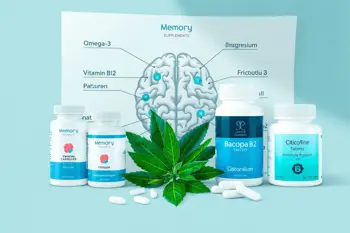
Magnesium L-threonate is studied because it may raise magnesium levels in the brain and potentially support synaptic density. Creatine monohydrate and lion’s mane also appear in evidence-based discussions, but the supplied material does not establish that they treat dementia or produce uniform benefits. Caffeine combined with L-theanine is mainly associated with short-term focus, which should not be confused with long-term memory retention.1
Regulation, product quality, and safety
Dietary supplements are not approved by the FDA for safety or effectiveness before they reach consumers in the same manner as prescription medicines. The FDA states that supplements are not intended to diagnose, treat, cure, or prevent disease. Products claiming to treat Alzheimer’s disease or dementia may therefore raise regulatory concerns when their wording exceeds the available evidence.5
Quality assessment should include a complete ingredient panel, stated amounts, standardized extract information where relevant, and independent verification of purity or label accuracy. NSF International is one organization associated with third-party supplement testing. Potential medication interactions, pregnancy, nursing, existing medical conditions, and excessive intake of individual nutrients are reasons to discuss a product with a healthcare professional before use.10
How to interpret claims about memory
Memory supplements commonly require four to twelve weeks of consistent use before a noticeable change is reported, and there is no established overnight pill supported by the supplied research. Claims about sharper recall should be separated from outcomes involving alertness, productivity, mood, or task focus. A product containing several ingredients may also make it difficult to identify which compound, if any, is responsible for an observed change.1
New, worsening, or functionally disruptive memory problems warrant medical evaluation rather than self-treatment. Research guidance distinguishes ordinary age-associated forgetfulness from cognitive decline that affects daily functioning, and supplements have not been proven to stop Alzheimer’s progression. The American Academy of Neurology generally does not recommend vitamin supplements for preventing cognitive decline, reinforcing the need for realistic expectations and individualized assessment.3
Lifestyle remains the primary support
Evidence-based guides consistently identify sleep, physical activity, diet, and social engagement as higher-leverage measures for brain aging than supplements alone. Supplements are best understood as a supportive layer, particularly when correcting an identified nutritional gap, rather than as a replacement for these behaviors. This distinction also helps limit the risk of spending attention on complex stacks with uncertain additional value.2
A neutral review of a memory formula should therefore ask four questions: what outcome was actually measured, which population was studied, how long was the trial, and was the ingredient tested in the same form and amount? Those questions help separate evidence about a nutrient deficiency, short-term focus, mild impairment, and disease prevention. None of these categories should automatically be treated as interchangeable.7
Sources
- Bulletproof, “Memory Supplements: What Research Actually Supports”
- Supplement Science, “Cognitive Aging Support Supplements”
- Dr. Grey AI, “Supplements for Age-Associated Memory Impairment and Cognitive Decline”
- WebMD, “Bacopa”
- U.S. Food and Drug Administration, “Dietary Supplements”
- National Institutes of Health, “Omega-3 Fatty Acids”
- Alzheimer’s Association, “Alternative Treatments”
- DietarySupplement.ai, “Citicoline Evidence Review”
- American Academy of Neurology, cognitive-decline guidance
- NSF International, dietary supplement testing information
Authored by 24Trendz team