How to treat acid reflux safely: Evidence-based guidance for symptom relief
How to treat acid reflux safely depends on whether symptoms are occasional or part of gastroesophageal reflux disease, commonly called GERD. Evidence-based care focuses on reducing reflux triggers, selecting medicines according to symptom frequency, and recognizing signs that require professional evaluation.
Understanding occasional reflux and GERD
Acid reflux occurs when stomach contents move backward into the esophagus, often producing burning behind the breastbone, a sour taste, or discomfort after meals and while lying down. Occasional episodes can affect otherwise healthy people, whereas GERD refers to recurrent reflux associated with persistent symptoms, inflammation, tissue damage, or complications. The lower esophageal sphincter normally helps prevent this backward flow, but inappropriate relaxation or reduced muscle competence can allow stomach acid and bile into the esophagus. 3
Heartburn can resemble other conditions, including some heart problems, so symptom context matters. Healthcare professionals may assess symptoms directly or use tests such as an X-ray, endoscopy, ambulatory acid monitoring, or esophageal motility testing when the diagnosis is uncertain or symptoms persist. Endoscopy can examine the esophagus and stomach and may include a biopsy. 2 Frequent symptoms should not be managed indefinitely with self-treatment alone.
Lifestyle steps that can reduce symptoms
Lifestyle changes are commonly used as the first management layer. Losing weight when overweight or obese can reduce abdominal pressure, while quitting smoking may help because smoking can weaken the lower esophageal sphincter. Eating smaller meals may reduce stomach distension, and identifying personal food triggers can be more useful than eliminating every commonly suspected trigger. Foods and drinks associated with symptoms may include fatty meals, spicy foods, caffeine, alcohol, citrus, tomatoes, chocolate, garlic, or onions. 1
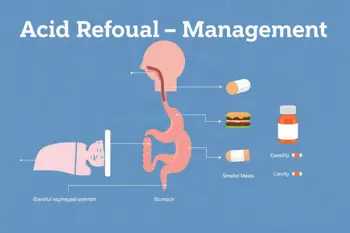
Nighttime symptoms often improve when the upper body is elevated during sleep. NIDDK describes using a foam wedge or extra pillows to incline the body and raise the head six to eight inches. Avoiding meals close to bedtime and remaining upright after eating also reduces the opportunity for stomach contents to move upward. A clinical patient guide recommends staying upright for at least two to three hours after meals, particularly when lying down reliably worsens symptoms. 1 5
Choosing among common medicines
Antacids neutralize acid already present and generally provide the fastest relief for mild, occasional heartburn, but their effect may be brief. They do not heal an esophagus damaged by repeated acid exposure. Magnesium-containing products may cause loose stools, while aluminum-containing products may cause constipation, and combination products are sometimes used to balance these effects. Antacids should not be taken every day or for severe symptoms unless that use has been discussed with a healthcare professional. 4 1
H2 blockers reduce stomach acid and may provide longer relief than antacids, although they do not heal the esophageal lining as effectively as proton pump inhibitors. PPIs also reduce acid production and are more effective for frequent GERD symptoms and healing the esophagus in most people with GERD. Examples described in the research include famotidine among H2 blockers and omeprazole, esomeprazole, and lansoprazole among PPIs. Medication choice should reflect symptom pattern, other medicines, health conditions, and professional advice. 1 2
Using over-the-counter treatment cautiously
Nonprescription treatment is intended for appropriate symptoms and duration, not as a substitute for diagnosis when heartburn is frequent, persistent, or disruptive. Relying on medicines often, or finding that they do not control symptoms, is a reason to consult a healthcare provider. Persistent reflux may require prescription treatment, testing, or evaluation for esophageal injury rather than repeated short-term dosing. 2
Medication safety also depends on individual circumstances. Over-the-counter reflux medicines may interact with other drugs and may be unsuitable for people with kidney disease, pregnancy, or ongoing medical conditions. Antacids can cause diarrhea or constipation, and each product has specific dosing and interaction instructions. A pharmacist or clinician can review the label, concurrent medicines, and medical history before regular use. 1 5
When symptoms require medical attention
Medical assessment is appropriate when symptoms do not resolve with nonprescription treatment, occur regularly, wake a person at night, interfere with eating, or require frequent medication. Difficulty swallowing, unexplained weight loss, or continuing symptoms can indicate a condition needing investigation. Long-term reflux may inflame the esophagus, cause narrowing from scarring, or contribute to cellular changes such as Barrett's esophagus, making evaluation important when symptoms persist. 3 5
Chest pain should not automatically be attributed to reflux, especially when it is new, severe, or accompanied by other concerning symptoms. Urgent care is warranted for chest pain, vomiting blood, black stools, or difficulty swallowing. These signs may indicate bleeding, obstruction, or a condition unrelated to acid reflux. A healthcare professional can determine whether testing such as endoscopy or acid monitoring is appropriate. 5 2
What to expect from professional treatment
Clinicians typically begin by reviewing the timing, severity, and triggers of symptoms, along with medicines and relevant health conditions. Treatment may combine lifestyle changes with antacids, H2 blockers, or PPIs. PPIs are generally the most effective of these classes for healing acid-related esophageal damage, while antacids are more suited to rapid relief from mild episodes. The treatment plan may change if symptoms continue or testing identifies another cause. 1 4
Surgery is not the usual first step, but doctors may consider it when lifestyle measures and medicines do not adequately control confirmed GERD. The underlying problem can involve lower esophageal sphincter dysfunction, a hiatal hernia, or persistent reflux despite acid suppression. Professional evaluation helps distinguish acid reflux from swallowing disorders, ulcers, gallbladder disease, and cardiac conditions that can produce similar discomfort. 3 5
Sources
- National Institute of Diabetes and Digestive and Kidney Diseases, Treatment for GER and GERD
- Mayo Clinic, Heartburn: Diagnosis and Treatment
- MSD Manual Consumer Version, Gastroesophageal Reflux Disease
- Harvard Health Publishing, What's the Best Way to Manage Occasional Heartburn?
- Acibadem Hospitals Group, How to Get Rid of Acid Reflux: Safe Relief Steps
Authored by 24Trendz team