Start Martial Arts at Any Age: An Objective Guide to Lifelong Physical and Cognitive Benefits
The Reality of Starting Martial Arts as an Adult
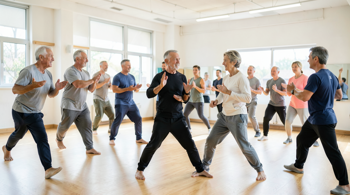
Many individuals harbor the misconception that martial arts training is reserved for youth or competitive athletes. However, modern research and school demographics reveal that the fastest-growing segment of martial arts practitioners consists of adults, many of whom begin their journey in their 30s, 40s, 50s, or beyond 145. The notion that one must possess peak flexibility or a prior background in sports to initiate training is fundamentally inaccurate; instructors often report that adults bring superior focus, patience, and motivation compared to younger counterparts 123. Rather than requiring a baseline of fitness, martial arts serve as a vehicle to build conditioning, mobility, and strength over time 1910.
Why Adult Practitioners Thrive
Adult beginners often find that their life experience translates into an advantage on the mat. While children may train due to parental guidance, adults are typically driven by specific personal goals such as stress management, self-defense, or longevity 14. This inherent motivation facilitates consistent practice, which is the primary driver of skill acquisition 27. Furthermore, adult students often possess greater body awareness, allowing them to execute techniques with precision rather than relying on explosive power, which reduces the immediate demand on joint integrity 23.
Physical and Cognitive Health Benefits
Engaging in martial arts offers significant physiological and mental health improvements. Consistent training promotes functional strength, cardiovascular health, and bone density, all of which are critical for healthy aging 28. Beyond physical changes, studies indicate that the cognitive demands of learning complex sequences and situational awareness can enhance brain plasticity, potentially reducing the risk of age-related cognitive decline 512. Additionally, the practice of controlled movement, particularly in disciplines like Tai Chi or Aikido, is widely recognized for improving balance and significantly lowering the risk of falls in older populations 111320.
Selecting an Appropriate Discipline
The choice of discipline is critical for long-term engagement. While many arts exist, those focusing on leverage, technique, and flow are often prioritized for mature beginners to minimize the risk of overexertion 35. The following table provides an overview of how specific styles generally align with adult fitness goals:
| Discipline | Primary Focus | Benefits for Adults |
|---|---|---|
| Brazilian Jiu-Jitsu | Technique, leverage, positioning | Develops problem-solving skills and functional core strength |
| Tai Chi | Balance, coordination, flow | Superior for fall prevention and joint health |
| Aikido | Controlled, circular movement | Emphasizes joint longevity and redirecting force |
| Striking Arts (Karate/Muay Thai) | Stamina, speed, posture | Enhances cardiovascular endurance when self-paced |
Each of these arts can be scaled to the individual's current capability, focusing on steady, incremental progress rather than rapid competition 3618.
Injury Prevention and Safety Protocols
Safe participation in martial arts for adults requires a proactive approach to physical health. It is standard medical advice to consult with a primary care physician before beginning any new exercise regimen, particularly if there is a known history of heart or joint issues 11. Professional instruction is essential; qualified coaches ensure that students learn proper mechanics, which helps prevent the repetitive strain often associated with unguided or improper exercise 19. Beginners are encouraged to work at their own pace, utilize designated rest intervals, and communicate physical limitations to instructors to ensure that training remains sustainable 310.
The Role of Community and Environment
Beyond the physical benefits, the social aspect of joining a martial arts school provides a supportive community that helps combat the isolation often experienced in middle and later adulthood 1117. Many dojos have specific programs for adults or masters-level students, which provide an environment where peer groups share similar life experiences and physical objectives 1116. By seeking schools that emphasize functional longevity and technical mastery, adults can find an environment conducive to long-term growth and personal development, effectively turning the mat into a venue for lifelong learning 415.
Sources
- Stricklands Martial Arts - Starting Martial Arts as an Adult
- Shuhari Self Defence - Adult Beginner Success Stories
- Gracie Barra St Peters - Am I Too Old to Start Jiu-Jitsu?
- Global Martial Arts University - Starting Martial Arts After 40
- MMA Ninja - Can You Start Martial Arts at 40?
- Flow Martial Arts - Why Adults of Any Age Thrive
- 518 Empire - Is It Too Late to Start Martial Arts?
- Flinn Taekwondo - Is 40 Too Old to Start Taekwondo?
- Gracie Barra Salt Lake City - Starting Jiu-Jitsu After 30/40/50
- Kaizen MMA - Martial Arts for Adults With No Experience
- General Health & Clinical Guidance Research Data
- Psychology Today - Martial Arts as Brain Food
- Harvard Health Publishing - Tai Chi and Fall Prevention
- BJJ World - Brazilian Jiu-Jitsu Over 50
- Grappling Insider - Functional Longevity in BJJ
- American Karate Academy - Karate for Seniors
- AARP - Martial Arts for Seniors
- NIH - Tai Chi In-Depth
- Self Magazine - Martial Arts Mechanics for Beginners
- Aikido Journal - Aikido for Joint Health
Authored by 24Trendz team