Ways to Manage a Hives Flare-Up at Home: Clinical Perspectives on Symptom Relief and Identification
Understanding Urticaria and Initial Management
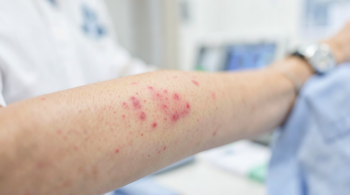
Hives, medically referred to as urticaria, represent a common dermatological reaction characterized by the sudden appearance of raised, itchy, or stinging welts on the skin 1, 5. Approximately 20% of the population will experience hives at some point in their lives 1, 5. These welts may vary in size and can coalesce into larger areas of swelling 1, 5. While often alarming, most acute episodes are self-limiting and resolve within hours to days 4, 6. The primary mechanism involves the release of histamine from mast cells, which causes capillaries to leak fluid into the surrounding skin 3, 5.
For those experiencing a typical, non-emergency outbreak, the first step is often to identify and remove potential triggers 4, 8. If the reaction is not accompanied by systemic symptoms, management strategies often center on minimizing discomfort and preventing further irritation 2, 6. Maintaining a calm environment and avoiding known irritants are foundational to home care, as urticaria can be exacerbated by environmental factors such as high or low temperatures, pressure, or stress 2, 8.
Over-the-Counter Pharmacological Interventions
The primary pharmacological approach for managing acute urticaria involves the use of H1 antihistamines, which work by blocking the histamine receptors that mediate the swelling and itching sensation 3, 7. Second-generation, non-drowsy antihistamines such as cetirizine, loratadine, and fexofenadine are generally preferred over first-generation options due to their reduced sedative effects 3, 7. These medications are commonly available and are often recommended as a first-line defense for mild to moderate outbreaks 2, 7.
It is important to note that while these medications are accessible, their use should be guided by professional advice, particularly for children, pregnant individuals, or those with underlying health conditions 4, 9. Guidelines sometimes allow for increasing doses of second-generation antihistamines under clinical supervision, but self-adjusting medication levels is generally discouraged 3, 7. Always consult a pharmacist or physician to ensure the chosen treatment is suitable and to verify correct dosage information based on the specific product label 4, 8.
Topical Soothing and Skin Care Techniques
Beyond oral medications, various topical applications can provide localized relief from the itching and burning associated with hives 10. A cold compress, consisting of a clean, damp cloth, is frequently cited as one of the fastest methods to calm affected areas 10. The cooling effect helps to constrict blood vessels near the skin's surface, thereby reducing both inflammation and the intensity of the itch 10. Experts recommend avoiding direct contact with ice, suggesting instead that cold packs be wrapped in a thin towel to protect the skin barrier 10.
For broader coverage, especially when welts are widespread across the torso or limbs, a colloidal oatmeal bath may provide additional comfort 10. Furthermore, applying calamine lotion creates a drying, cooling layer that can help mitigate moderate itching 10. Hydrocortisone cream (1% concentration) may be used for localized patches, though it is often less effective than oral antihistamines for systemic outbreaks 10. It is essential to avoid substances that could further irritate the skin, such as harsh soaps or products containing suspected allergens 6, 9.
Environmental Adjustments and Trigger Avoidance
Managing a flare-up successfully often requires proactive environmental management to reduce skin sensitivity 8. Heat, including hot showers, hot beverages, and direct sunlight, is a known aggravator that can worsen existing hives 10. Maintaining a cool, comfortable environment and opting for lukewarm water during bathing can prevent the provocation of further welts 8, 10. Additionally, wearing loose, breathable clothing helps minimize friction and pressure, both of which are common physical triggers for hives 8, 9.
Scratching or rubbing the affected skin is strongly discouraged, as this mechanical pressure can induce the release of more histamine, potentially spreading the rash 2, 7. Keeping fingernails trimmed short can help prevent accidental injury to the skin. Instead of scratching, gentle patting or tapping on the area may provide temporary relief without the damage caused by friction 9.
When to Seek Emergency Medical Attention
While most hives are benign, certain symptoms necessitate immediate medical evaluation in an emergency setting 4, 5. If an outbreak of hives occurs concurrently with signs of a severe allergic reaction, also known as anaphylaxis, professional care must be sought without delay 4, 7. These red flags include:
- Difficulty breathing or wheezing 4, 5
- Swelling of the lips, tongue, or throat 4, 5
- Feeling dizzy, lightheaded, or fainting 4, 9
- Severe throat tightness or difficulty swallowing 4, 5
These symptoms indicate that the reaction is not limited to the skin and may involve deeper airway or circulatory involvement 4. Home remedies are not appropriate for these conditions and should never be used as a substitute for urgent medical intervention 4, 9.
Distinguishing Acute from Chronic Urticaria
The duration of a hive outbreak serves as a primary indicator for medical classification 3, 5. Acute urticaria is defined as a self-limiting rash lasting less than six weeks 3, 5. In contrast, chronic urticaria is characterized by the persistence of symptoms for more than six weeks, often occurring on most days 3, 6. Chronic cases are frequently idiopathic, meaning the specific cause may be difficult to identify, though underlying health factors like hormonal fluctuations or infections can contribute 2, 8.
Individuals experiencing recurring episodes that do not respond to basic home care should contact a physician 5, 7. Maintaining a detailed record-often called a symptom diary-of potential exposures, such as foods, medicines, environmental triggers, and stress levels, can be an invaluable tool for a healthcare provider when attempting to identify the root cause of chronic or frequent flares 8, 9.
Sources
- Mayo Clinic Press: Hives Causes Symptoms and Relief
- Prevention: Dermatologists Share How to Get Rid of Hives
- American Family Physician: Acute and Chronic Urticaria Evaluation and Treatment
- Acibadem Hospitals Group: How To Get Rid Of Hives Causes And Next Steps
- Canadian Dermatology Association: Urticaria
- iLive: Treating Hives at Home: What You Can Do Safely and When to See a Doctor
- Nolla Health: How to Get Rid of Hives: Fast Relief and When to See a Doctor
- Cleveland Clinic: Lifestyle Tips for Managing Your Chronic Hives
- Cleveland Clinic: Managing Chronic Hives Flares
- ScienceInsights: What Can I Put on Hives to Relieve Itching?
Authored by 24Trendz team