Understand arrhythmia treatment options: A clinical guide to current cardiac management strategies
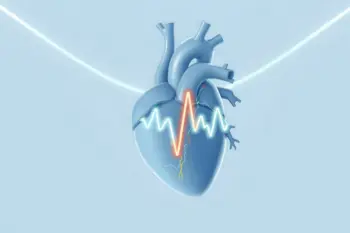
Understanding the spectrum of cardiac rhythm disorders is essential for navigating the current landscape of cardiovascular care. Arrhythmia, which involves heart rhythms that are too fast, too slow, or irregular, stems from disruptions in the heart's electrical conduction system 1, 5. Patients may experience symptoms such as palpitations, chest discomfort, dizziness, or fainting, though some individuals remain entirely asymptomatic 1, 2. Modern clinical practice emphasizes early intervention and personalized treatment paths to restore stability and minimize complications 6, 9.
Pharmacological Interventions for Rhythm and Rate Control
Medications serve as a foundational element in arrhythmia management, designed to regulate the heart's rate or restore its normal sinus rhythm 6, 7. Beta-blockers and calcium channel blockers are commonly utilized to slow down a heart that is beating too rapidly, providing relief from the symptoms of tachycardia 7. For patients requiring more specific rhythm stabilization, anti-arrhythmic drugs may be prescribed to alter the electrical activity of the heart muscle cells 7.
Furthermore, because certain arrhythmias-most notably atrial fibrillation-can lead to blood pooling and clot formation, anticoagulant therapy is a critical component of many treatment regimens 8. By reducing the risk of stroke, these medications play a vital role in long-term patient safety 8. Clinicians carefully monitor the dosage and efficacy of these drugs, as individual responses to pharmacological therapy can vary based on underlying heart health and other coexisting conditions 5, 9.
Procedural Approaches: Cardioversion and Catheter Ablation
When medication alone is insufficient, procedural interventions may be indicated to reset the heart's rhythm. Cardioversion involves the delivery of a synchronized electrical shock to the heart, typically through electrodes placed on the chest, to terminate an arrhythmia and encourage the heart to return to its natural, steady pace 1, 7. This procedure is generally performed in a controlled clinical setting to ensure patient safety and effectiveness 7.
Catheter ablation represents another minimally invasive option for targeting the source of abnormal electrical signals. During this procedure, a physician guides a catheter into the heart to deliver thermal or cryo-energy, effectively creating small areas of scar tissue that block faulty pathways 2, 7. This method is particularly useful for patients with specific types of tachycardias and can often provide a long-term solution by eliminating the origin of the arrhythmia without the need for open-heart surgery 3, 7.
Implantable Device Therapy
For individuals whose heart rhythm cannot be adequately managed through medications or ablation, implanted devices offer sophisticated, continuous monitoring and corrective action. Pacemakers are battery-powered devices inserted under the skin that detect when the heart is beating too slowly and provide electrical impulses to maintain a steady, normal rate 6, 7. These devices have become significantly more advanced over time, allowing for customized adjustments to support the heart's varying needs throughout the day 6.
For patients at risk of dangerous ventricular arrhythmias, an implantable cardioverter-defibrillator (ICD) may be recommended 6. Unlike a standard pacemaker, the ICD is designed to detect life-threatening, fast heart rhythms and deliver a precise electrical shock to restore a normal rhythm automatically 7. Additionally, cardiac resynchronization therapy (CRT) devices are utilized to coordinate the contraction of the heart's chambers in patients with specific patterns of heart failure and conduction delay, improving overall cardiac efficiency 7.
Surgical and Lifestyle Management Strategies
In cases of complex arrhythmias that are resistant to other interventions, surgical procedures may be required. The Maze procedure is one such technique, often performed alongside other heart surgeries, where a surgeon creates a pattern of incisions in the heart muscle to form scar tissue that prevents the circulation of chaotic electrical impulses 7. Such interventions are typically reserved for patients with persistent, difficult-to-treat conditions where less invasive methods have been exhausted 3.
Lifestyle modifications also play a significant role in the holistic management of heart rhythm issues. Patients are often encouraged to identify and minimize triggers such as excessive caffeine, alcohol intake, or high levels of stress, which can exacerbate or induce arrhythmic episodes 5, 7. Adopting a heart-healthy diet and maintaining an appropriate exercise regimen, under the guidance of a physician, helps support long-term cardiovascular stability and reduces the burden of arrhythmia-related symptoms 7.
Evaluating the Decision-Making Process
The determination of a specific treatment plan is highly individualized, relying on a comprehensive evaluation by a specialist, typically an electrophysiologist 2, 8. Doctors weigh factors such as the type of arrhythmia, the patient's age, overall health status, and the severity and frequency of reported symptoms 5, 8. Clinical guidelines, such as those provided by the European Society of Cardiology and other major heart associations, offer a framework for these decisions, emphasizing that early intervention often leads to better patient outcomes 4, 8.
Patients are often encouraged to seek secondary opinions or explore clinical trials if their condition is persistent or complex 3. Ongoing monitoring-through tools like ECGs, Holter monitors, or event recorders-is essential for tracking the success of a chosen treatment and adjusting the management plan as the condition evolves over time 7, 8. By understanding these clinical options, patients can better participate in discussions with their healthcare team to align their treatment with their personal health goals 8.
Sources
- Acibadem Hospitals Group: Arrhythmia Symptoms, Causes, and Treatment
- Keck Medicine of USC: Cardiac Arrhythmias Overview
- Penn Medicine: Cardiac Arrhythmia Care and Surgery
- European Society of Cardiology: 2024 Practice Guidelines
- Acibadem Health Point: Arrhythmia Understanding and Diagnosis
- The Pyramid News: Medications, Procedures, and Devices
- Liv Hospital: Effective Arrhythmia Treatment Methods Explained
- The Edinburgh Reporter: Decision-Making in Heart Rhythm Treatment
- Northwell Health: AFib Treatment Guidelines
- Harvard Health: Atrial Fibrillation Drug Therapy
Authored by 24Trendz team