2026 update: Average assisted living expenses by state: A comprehensive analytical report on current care costs
In 2026, families and caregivers navigating the complexities of senior care are facing a shifting financial landscape, with the national median cost of assisted living now reaching approximately $5,419 per month 7. This figure represents an ongoing trend of rising expenses driven by labor constraints, operational costs, and the increasing acuity of residents requiring support 10. While national benchmarks provide a useful starting point, actual monthly expenditures vary significantly across state lines, often ranging from as low as $3,700 to upwards of $8,000 depending on the specific location and the level of care services provided 3. Understanding these regional disparities is essential for families developing sustainable, long-term financial plans 11.
Regional Cost Disparities and Market Drivers
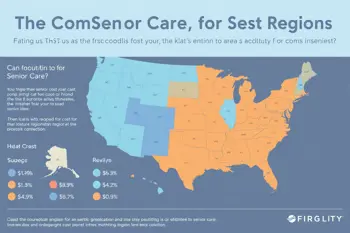
Assisted living costs are dictated by a combination of local labor market wages, real estate values, and regulatory requirements, which explains the wide variance seen from state to state 5. In regions with a high cost of living, such as Washington, D.C., median monthly costs have been reported as high as $8,960, whereas states like Mississippi and Arkansas often see lower averages closer to $3,700 4, 11. These fluctuations are not merely arbitrary; they reflect the competitive nature of the healthcare labor market and the varying levels of demand for senior housing services within specific metropolitan areas 10.
Defining the Monthly Financial Commitment
Monthly rates in assisted living communities are structured in multiple ways, with some facilities offering all-inclusive pricing while others utilize tiered or a la carte models 1. An all-inclusive rate generally bundles room and board with basic personal care, whereas a la carte systems charge separately for medication management, bathing assistance, and other activities of daily living (ADLs) 5. Families should verify whether a quoted monthly fee covers all required support or if additional expenses for specialized care, such as memory support, will lead to higher-than-expected monthly billing 3.
| State Grouping | Estimated Monthly Range |
|---|---|
| Lower Cost | $3,700 - $4,200 |
| Mid-Range | $4,500 - $5,500 |
| High Cost | $6,500 - $8,000+ |
The Impact of Care Needs on Pricing
Beyond geographical location, the primary driver of cost within a single community is the individual resident's level of care 1. As a resident's needs evolve, the cost of services often increases to accommodate higher staffing ratios and more intensive monitoring 10. Because most assisted living is considered custodial rather than clinical, costs are largely the responsibility of the family, as traditional government programs like Medicare do not provide coverage for this type of long-term, non-medical care 15, 16.
Evaluating Long-Term Financial Sustainability
Planning for assisted living requires an objective look at private assets, home equity, and long-term care insurance policies 7. Because expenses have risen by approximately 4.4% in the last year, financial planning must account for annual inflation to avoid mid-stay funding gaps 7, 10. Experts recommend requesting a full, itemized fee schedule from any prospective community to understand how costs are indexed for future inflation and how service tiers are re-evaluated as an individual's health needs change over time 5.
Regulatory Oversight and State Medicaid Planning
The role of Medicaid varies significantly by state, as some jurisdictions offer waiver programs that may help cover portions of the cost for eligible low-income seniors 2. However, eligibility criteria are strictly enforced and involve rigorous financial spend-down requirements 9. Families are encouraged to consult with elder law professionals or state-specific resource directories to understand the intersection of state-funded support and the private-pay market, as the availability of such programs can be the deciding factor in the long-term feasibility of a care plan 2.
Best Practices for Comparing Care Facilities
When conducting market research, families should move beyond headline numbers and examine the specific services included in the baseline monthly rate 1. Industry standards suggest that visiting multiple locations within a target region provides the best comparison of value, as amenities and staffing quality contribute to the overall cost-to-benefit ratio 12. Focusing on transparency in pricing, such as asking for a history of rate increases and a clear list of what constitutes an extra charge, allows families to plan with greater accuracy and mitigate the risk of financial surprises 10.
Sources
- A Place for Mom: How much does assisted living cost?
- Brevy Care: Assisted Living by State Guide
- AveeCare: 2026 Assisted Living Cost Reference
- Assisted Living Near Mom: 2026 Pricing Guide
- CarePriced: 2026 State-by-State Cost Analysis
- Senior Care Cost Guide: 2026 Market Data
- Investopedia: Analysis of 2026 Care Realities
- ElderCareAtlas: Long-Term Care Cost Index 2026
- KFF: Medicaid and Long-Term Care Issues
- McKnight's Senior Living: 2026 Cost Trends Report
- Statista: Assisted Living Facility Costs 2025-2026
- AllyKin: 2026 Senior Care Cost Index
- Care.com: State-by-State Assisted Living Overview
- CareScout: Cost of Care 2025/2026 Survey
- AARP: Who Pays for Assisted Living
- Medicare.gov: Official Coverage Guidelines
Authored by 24Trendz team