Top natural tips for clearer skin: Evidence, routines, and safety considerations
For people seeking top natural tips for clearer skin, the strongest approach is not a single kitchen remedy but a consistent routine that limits clogged pores, irritation, and inflammation. Research-based guidance emphasizes twice-daily gentle cleansing, noncomedogenic products, adequate moisturization, sun protection, healthy sleep, balanced nutrition, and avoiding pressure on active blemishes. Natural ingredients can complement these habits, but persistent or severe acne may require an accurate diagnosis and care from a licensed medical provider.
1. Build a gentle cleansing routine
Regular cleansing removes dirt, bacteria, excess oil, makeup, and dead skin cells that can contribute to blocked pores. Dermatology guidance commonly recommends washing the face twice daily, with an additional wash after a sweaty workout when needed. Washing more often can dry and irritate the skin, potentially encouraging increased oil production. A mild, fragrance-free cleanser should be applied with the fingertips, rinsed with lukewarm water, and followed by gentle patting with a clean towel rather than vigorous rubbing. 1
Product labels also matter in a natural-leaning routine. Oil-free and noncomedogenic cleansers, moisturizers, makeup, and sunscreens are designed to reduce the likelihood of pore clogging. Double cleansing at night can help remove makeup or sunscreen before a gentle gel cleanser, but it should not leave the skin tight or uncomfortable. The practical test is whether the routine removes residue without stinging, peeling, or producing persistent dryness. 2
2. Protect and support the skin barrier
Moisturizer remains relevant for oily and acne-prone skin because dehydration and irritation can make a routine harder to tolerate. Lightweight, noncomedogenic lotions or gels can support the skin barrier without adding heavy oil. Daily sunscreen is also important because sun exposure can worsen pigmentation and contribute to visible skin damage. Vitamin C is discussed as an antioxidant that may brighten dull-looking skin and help reduce the appearance of dark marks, although gradual use and individual tolerance remain important. 2
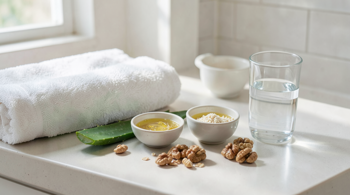
Natural ingredients should not automatically be treated as safer than formulated skincare. Aloe vera gel is described as soothing for redness and irritation, while raw honey has humectant and antibacterial properties, but either may cause sensitivity in some people. A small patch test is a prudent screening step, particularly for reactive skin. Avoid applying an ingredient to broken skin, and stop if burning, swelling, itching, or worsening redness develops. 9 12
3. Consider carefully selected natural ingredients
Tea tree oil is one of the better-known natural options for individual blemishes because of its antimicrobial properties. Research summaries describe diluted tea tree preparations as potentially helpful for mild-to-moderate acne, but concentrated oil can irritate or sensitize the skin. It should not be applied undiluted, used over large areas without care, or introduced alongside several new active ingredients at the same time. Patch testing and conservative frequency are especially relevant for sensitive skin. 3 8
Other commonly discussed options include aloe vera for calming irritation, honey for moisture and wound support, green tea for antioxidant and anti-inflammatory effects, and turmeric because curcumin may help reduce inflammation and brighten the appearance of uneven tone. Evidence and individual responses vary, so these ingredients should be considered supportive rather than guaranteed acne cures. Homemade mixtures can also be difficult to preserve, measure, or formulate safely, creating an additional risk of contamination or irritation. 7 10 14
4. Exfoliate without causing irritation
Exfoliation can remove surface dead skin cells and improve the feel of uneven texture, but aggressive scrubbing can worsen inflammation and damage the protective barrier. Gentle mechanical exfoliation using a soft, simple material such as finely prepared oatmeal is discussed as a way to support clearer pores. Sugar crystals and rough particles may be too abrasive for facial skin, particularly when acne lesions are inflamed. Exfoliation should be occasional and stopped if dryness, stinging, or peeling appears. 15
Picking, squeezing, or repeatedly touching blemishes is another avoidable source of irritation. Hands can transfer bacteria, while pressure may increase inflammation and the likelihood of lingering marks or scars. A hands-off approach is therefore more reliable than repeatedly changing remedies in response to each new spot. Consistency is central: gentle cleansing, moisturization, and suitable sun protection generally require ongoing maintenance rather than a one-time treatment. 5 1
5. Connect skin care with daily habits
Dietary patterns may influence inflammation and overall skin health. Dermatology guidance highlights fatty fish, leafy greens, colorful vegetables, berries, olive oil, nuts, seeds, and green tea as nutrient-dense choices. Omega-3 sources such as walnuts and flaxseeds support the skin’s lipid barrier and are associated with inflammation management. Lowering reliance on highly refined sugars and heavily processed foods may also be relevant for people whose breakouts appear sensitive to dietary patterns, although diet is not a substitute for acne treatment. 4 13
Hydration supports normal body functions and can help skin appear less tight or dull when fluid intake has been inadequate. Water should be consumed consistently rather than treated as a rapid cure for acne. Sleep regularity and stress management also matter because stress-related hormonal changes can contribute to breakouts. Meditation, relaxation practices, and a stable sleep schedule may help reduce stress burden, but they cannot eliminate hormonal, genetic, or medical causes of acne. 6 10
6. Reduce everyday sources of pore contamination
Pillowcases can collect oil, sweat, bacteria, and hair products that come into contact with facial skin during sleep. Washing pillowcases regularly, with weekly changing identified as a practical measure, may reduce this repeated transfer. Makeup brushes and other items that touch the face also require routine cleaning because residue and microorganisms can accumulate. These steps are maintenance measures, not standalone acne treatments, and their value is greatest when combined with gentle cleansing and noncomedogenic products. 11 1
Natural routines have clear limits and safety considerations. Persistent, painful, widespread, or scarring acne may reflect causes that home care cannot address, and a proper diagnosis can distinguish acne from other skin conditions. A licensed provider can assess severity and determine whether over-the-counter or prescription treatment is appropriate. Individual results vary, and introducing multiple remedies at once makes it difficult to identify an irritant or determine which change helped. 5 1
Sources
- Verywell Health, “How to Get Clear Skin With 19 Fast, Proven Tips”
- Garnier, “How to Get Clear Skin Naturally: Easy Skin Care Tips”
- Medical Daily, “Best Ways to Get Rid of Acne and Prevent Breakouts Naturally”
- Alamo Heights Dermatology, “5 Dermatologist Tips for Clear, Healthy Skin”
- Perfect B, “How to Reduce Acne Naturally”
- Healthline, “Hydrated Skin”
- Medical News Today, “Green Tea and Skin Benefits”
- American Academy of Dermatology, acne skin-care guidance
- WebMD, “Honey Uses”
- Mayo Clinic, acne causes and symptoms
- Cleveland Clinic, guidance on washing sheets and pillowcases
- Verywell Health, “Aloe Vera for Acne”
- Harvard Health Publishing, foods that fight inflammation
- Prevention, turmeric and skin guidance
- Self, guidance on facial exfoliation
Authored by 24Trendz team