Early symptoms of Peripheral Neuropathy you should know: Clinical insights and diagnostic indicators
Understanding Peripheral Neuropathy
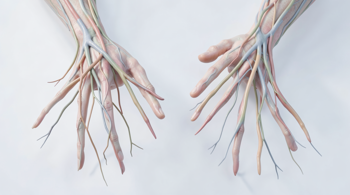
Peripheral neuropathy occurs when the peripheral nerves-the network responsible for transmitting signals between the central nervous system and the rest of the body-sustain damage 1. These nerves facilitate essential communication, allowing individuals to feel physical sensations and control muscle movements 2. When this communication pathway is disrupted, the brain may receive incorrect signals, or signals may fail to reach their intended target entirely 2. This disruption often leads to a complex array of symptoms that can affect sensory, motor, and autonomic functions across the body 7.
The condition is notably common, with research indicating that up to one in ten people aged 55 or older may experience some form of peripheral nerve dysfunction 3. While causes vary widely-ranging from metabolic conditions like diabetes to autoimmune diseases, infections, and toxin exposure-the symptoms often follow recognizable patterns 1, 4. Identifying these signs early is often the first step in managing long-term nerve health, as early intervention can sometimes mitigate the underlying causes or provide relief from persistent discomfort 4, 9.
Common Sensory Nerve Indicators
Sensory nerves are frequently the first to show signs of damage, typically beginning in the extremities, such as the toes, feet, and hands 8. A classic early symptom is the onset of numbness, prickling, or a tingling sensation frequently described by patients as pins and needles 1. These sensations often evolve gradually, sometimes starting in a specific area and spreading upward into the legs or arms as the nerve damage progresses 1, 7.
Many individuals report a phenomenon often referred to as the glove and stocking pattern, where sensation is lost or altered in a way that feels like wearing invisible gloves or socks 9. Beyond simple numbness, individuals may experience allodynia, a condition where light touch-such as the weight of a bedsheet or clothing-becomes unexpectedly painful 3. Furthermore, some patients describe the sensation of walking on marbles, pebbles, or sand, despite there being no physical obstruction present on the skin 9.
Motor Nerve Symptoms and Physical Coordination
Motor neuropathy involves damage to the nerves that control voluntary muscle movement, leading to noticeable changes in physical coordination 3. Early signs may include muscle weakness, twitching, or cramps, which can make routine tasks like buttoning a shirt, opening a jar, or even typing more difficult 3, 7. As these nerves continue to malfunction, individuals may experience muscle wasting or visible thinning of muscles in the affected area 3.
Balance and stability are particularly vulnerable when motor nerves are compromised, potentially resulting in gait changes or frequent tripping 6. Foot drop, which is characterized by the difficulty of lifting the front part of the foot while walking, is a common clinical manifestation of motor nerve degradation 3. These mobility issues can significantly impact daily functioning, making tasks that were previously effortless, such as walking or driving, require more concentration and physical effort 7.
Autonomic Nerve Involvement
Autonomic nerves regulate involuntary bodily functions, including heart rate, blood pressure, digestion, sweating, and bladder control 1, 7. When these nerves are damaged, the body may struggle to maintain internal homeostasis, leading to symptoms that extend beyond the limbs 7. One common indicator is dizziness or a lightheaded feeling when transitioning from a sitting or lying position to standing, which may indicate a failure in blood pressure regulation 5, 10.
Other symptoms related to autonomic nerve dysfunction can include unusual sweating patterns, such as excessive sweating or a localized inability to sweat 5, 6. Digestive irregularities and bladder function changes are also recognized, though they are sometimes overlooked in the early stages of the condition 1, 5. Because these symptoms are internal, they are often not immediately associated with nerve damage until a broader clinical evaluation is performed by a medical professional 9.
Pain Patterns and Nighttime Sensitivity
Pain associated with peripheral neuropathy is often described as stabbing, burning, or throbbing in nature 1. For many, these symptoms exhibit a distinct circadian pattern, frequently worsening during the quiet hours of the night when sensory input is reduced 6, 7. This increase in intensity at night can lead to significant sleep disturbances, further impacting an individual's overall well-being and fatigue levels 8.
Additionally, individuals may suffer from a diminished ability to sense temperature changes, which presents a practical safety risk 3. For example, being unable to feel that water is too hot or an object is too cold can lead to accidental burns or tissue damage without the individual realizing it until a physical injury occurs 3. This loss of protective sensation is a critical reason for maintaining foot and skin hygiene, as wounds may go unnoticed until they become more complex to treat 9.
Diagnostic Considerations and Clinical Evaluation
Diagnosis of peripheral neuropathy typically begins with a thorough review of medical history and a neurological examination to assess strength, reflexes, and balance 5, 9. Medical professionals use a variety of tools to confirm nerve dysfunction, including electromyography and nerve conduction studies, which measure the electrical activity and signal transmission speed within the nerves 4, 9. Blood and urine tests are also common, aimed at identifying underlying triggers like nutritional deficiencies, diabetes, or autoimmune activity 4, 9.
Because peripheral neuropathy can be a sign of many different underlying conditions, it is rarely diagnosed in isolation. The primary focus is usually on identifying the cause-such as managing blood glucose levels in patients with diabetes or addressing specific vitamin deficiencies-while simultaneously employing strategies to manage the pain and improve mobility 4, 7. Patients presenting with sudden symptom onset, rapid progression, or significant weakness are typically advised to seek professional assessment promptly to explore these underlying factors 9.
Sources
- Mayo Clinic: Peripheral Neuropathy Symptoms and Causes
- Cleveland Clinic: Peripheral Neuropathy Overview
- NHS Inform: Peripheral Neuropathy Facts
- Merck Manual: Polyneuropathy
- Penn Medicine: Peripheral Neuropathy Conditions
- NIDDK: Diabetic Neuropathy and Peripheral Nerve Damage
- Healthdirect Australia: Peripheral Neuropathy
- Sutter Health: Symptoms and Causes of Nerve Pain
- Acibadem Hospitals Group: Early Symptoms and Testing
- American Diabetes Association: Neuropathy and Autonomic Nerve Function
Authored by 24Trendz team