Warning signs of polycystic ovary syndrome: A clinical guide to symptoms and evaluation
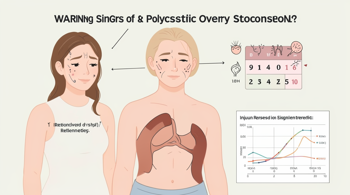
Warning signs of polycystic ovary syndrome include irregular or absent periods, excess facial or body hair, persistent acne, scalp hair thinning, weight changes, darkened skin folds, and difficulty becoming pregnant. These features can appear separately or together, and none alone confirms PCOS, so the pattern and its possible causes require clinical assessment. 1
Irregular or absent menstrual periods
Menstrual irregularity is one of the most recognizable warning signs of PCOS. Periods may occur infrequently, become unpredictable, or stop because ovulation is inconsistent or absent. Some people first notice the pattern during adolescence, while others become aware of it when trying to conceive. The condition affects ovulatory function rather than simply the presence of ovarian cysts. 2
Irregular cycles do not automatically indicate PCOS. Cycle patterns can vary for other hormonal or medical reasons, and irregularity is relatively common during the early years after the first menstrual period. Clinical guidance therefore cautions against diagnosing adolescents from cycle changes alone, particularly during the first year after menarche. 3
Signs of excess androgen activity
Higher androgen activity can produce unwanted hair growth on the face, chest, abdomen, or other areas, a symptom called hirsutism. Persistent acne and oily skin may also reflect androgen effects, especially when acne continues beyond the teenage years or appears alongside irregular periods. These signs can be mild or pronounced and do not occur in every person with PCOS. 4
Scalp hair thinning or a pattern of hair loss can also occur when androgen activity is elevated. Doctors may assess visible hair growth, acne, and hair changes together with menstrual history and laboratory testing. Rapid or unusually severe androgen-related changes require evaluation because PCOS is not the only possible explanation for excess androgen symptoms. 3
Weight changes and insulin resistance clues
Weight gain or difficulty losing weight is frequently associated with PCOS, although it is not required for diagnosis and the condition can occur at different body sizes. PCOS is closely linked with insulin resistance, in which higher insulin levels can encourage the ovaries to produce more testosterone and can interfere with regular ovulation. 1
Darkened, thickened skin in body folds, particularly around the neck, groin, or underarms, can be a visible sign associated with insulin resistance. PCOS is also linked with increased risks of prediabetes or type 2 diabetes, high cholesterol, high blood pressure, fatty liver disease, and sleep apnea. These risks mean that evaluation may involve metabolic monitoring as well as reproductive assessment. 5
Fertility and ovulation concerns
Difficulty becoming pregnant can be a warning sign when ovulation is irregular or absent. PCOS is described as the most common cause of infertility in the United States in the supplied clinical references, because hormonal disruption can prevent the regular release of mature eggs. Fertility difficulty may be the first reason a person seeks assessment, even when skin or hair symptoms are limited. 3
Not conceiving does not establish a PCOS diagnosis, since fertility can be affected by many factors involving either partner. In a PCOS evaluation, clinicians consider the menstrual pattern, signs of androgen excess, medical history, examination findings, and relevant tests. Reproductive goals are important because management differs when the priority is cycle control, symptom reduction, or pregnancy. 4
Why ovarian cysts can be misleading
The name PCOS can create the impression that visible cysts are required, but the ovarian finding generally refers to multiple immature follicles that have stalled before releasing an egg. Some people with PCOS have polycystic-appearing ovaries on ultrasound, while others do not. Conversely, an ultrasound finding alone does not establish the syndrome. 1
Clinical criteria commonly identify PCOS through a combination of three features: androgen excess, ovulatory dysfunction, and polycystic ovarian morphology. In commonly used diagnostic approaches, two of these three findings may support the diagnosis after other causes have been excluded. This explains why a scan should be interpreted alongside symptoms, hormone testing, and menstrual history. 3
How clinicians evaluate warning signs
Evaluation usually begins with questions about menstrual timing, fertility, acne, hair growth, hair loss, weight change, medications, and other health conditions. A physical examination may assess androgen-related signs and darkened skin. Blood tests can measure relevant hormone levels and help exclude alternative explanations, while pelvic ultrasound may be used when appropriate to examine ovarian morphology. 4
PCOS is diagnosed clinically after other conditions have been considered, rather than through one definitive test. Symptoms vary widely, and some people have only one or two recognizable features. New or worsening irregular periods, increasing facial or body hair, severe acne, scalp hair thinning, unexplained weight change, or fertility problems are reasonable grounds for discussing the pattern with a qualified healthcare professional. 6
When a broader health review matters
PCOS affects more than reproductive health. The supplied clinical sources describe associations with metabolic disease, cardiovascular risk factors, mental health effects, and long-term conditions including type 2 diabetes, elevated cholesterol, hypertension, fatty liver disease, and obstructive sleep apnea. The presence or absence of weight gain does not determine whether these issues should be considered. 5
A balanced assessment should therefore address both immediate symptoms and ongoing health risks. Period concerns may require attention to endometrial health, while androgen symptoms may require evaluation of other hormonal causes. Because PCOS has no single presentation and can remain undiagnosed for years, a documented symptom history and individualized follow-up can help distinguish the syndrome from unrelated conditions. 7
Sources
- Cedars-Sinai, Understanding Polycystic Ovary Syndrome
- Penn Medicine, Polyendocrine Metabolic Ovarian Syndrome: Symptoms and Causes
- Merck Manual Professional Edition, Polyendocrine Metabolic Ovarian Syndrome
- American College of Obstetricians and Gynecologists, Polycystic Ovary Syndrome
- National Institute of Child Health and Human Development, Polycystic Ovary Syndrome
- Office on Women’s Health, Polycystic Ovary Syndrome
- NHS, Polycystic ovary syndrome
Authored by 24Trendz team