Easy home remedies for night sweat discomfort: Strategies for managing nocturnal temperature regulation
Night sweats involve intense episodes of perspiration that occur during sleep, frequently soaking clothing and bedding 1, 3. While these events are often associated with hormonal shifts like menopause or perimenopause, they may also stem from environmental factors, dietary habits, or other underlying medical conditions 1, 4. Understanding how to modify the sleep environment and daily routines can offer potential relief for those experiencing these symptoms 3.
Environmental Adjustments for Thermal Control
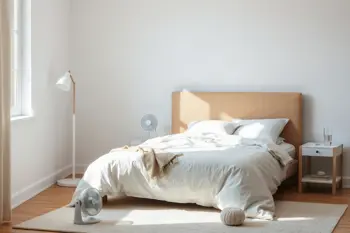
The bedroom environment plays a critical role in managing nocturnal temperature. Maintaining an ambient room temperature between 60 and 68 degrees Fahrenheit is often recommended to prevent overheating 4. Air circulation is another important factor; utilizing fans to improve ventilation can significantly reduce the sensation of heat trapped within the room 4. Additionally, adjusting the bedding setup to include moisture-wicking fabrics or cooling pillows can help draw heat away from the body throughout the night 2, 3.
Layering bedding allows for quick modifications during the night if a sweat episode begins, preventing the need to completely disrupt sleep cycles 10. Furthermore, choosing loose-fitting, lightweight sleepwear made of natural, breathable fibers such as cotton or linen can assist in moisture evaporation and temperature regulation 2, 4. Ensuring that the mattress itself does not retain excessive heat is also a consideration for long-term sleep comfort 3.
Dietary Modifications and Hydration Practices
Dietary choices in the hours leading up to bedtime can directly influence core body temperature and sweat gland activity 4. Spicy foods, alcohol, and caffeine are recognized triggers that can stimulate perspiration or raise internal heat levels 4, 10. Eating heavy or carb-heavy meals shortly before sleeping may also cause metabolic spikes that lead to blood sugar swings, potentially resulting in nocturnal sweating 4, 11.
To support internal fluid balance, maintaining consistent hydration with cold water throughout the evening is recommended 3, 10. Keeping a glass of water at the bedside can assist in replacing fluids lost to perspiration 9. Some research suggests that experimenting with smaller carb portions and increasing protein intake at dinner may help stabilize blood sugar levels throughout the night, reducing the likelihood of adrenaline-induced sweating episodes 11.
Relaxation Techniques and Pre-Sleep Routines
Stress and anxiety are known contributors to nocturnal sweating, as the body's autonomic nervous system reacts to these psychological states 3, 10. Implementing relaxation techniques such as deep breathing exercises, progressive muscle relaxation, or meditation before bed may help lower the physical markers of stress that could otherwise manifest as heat surges 9, 10. Establishing a consistent sleep schedule further supports the body's natural circadian rhythms 10.
A pre-sleep routine that includes a lukewarm shower can also assist in stabilizing core body temperature 9, 10. Unlike hot showers, which may elevate internal heat, a lukewarm experience helps signal to the body that it is time to transition into a rest state. These non-pharmaceutical interventions aim to minimize the frequency of symptoms by reducing external and internal stressors that exacerbate vasomotor symptoms 2.
Understanding the Role of Physical Health
Weight management is frequently cited as a significant factor in addressing night sweats, particularly for individuals who carry excess weight in the abdominal region 2. This physical state can contribute to secondary issues such as sleep apnea, which is a known trigger for excessive nocturnal perspiration 2, 3. Working with a healthcare team to develop a sustainable plan for maintaining a healthy weight can address some of the underlying physical stressors contributing to these symptoms 2.
Recognizing When Medical Consultation Is Needed
While home remedies may provide comfort, night sweats can sometimes indicate underlying medical issues requiring professional diagnosis 4. Persistent or severe sweating that disrupts quality of life or is accompanied by other systemic symptoms, such as unintended weight loss or fever, warrants a consultation with a healthcare provider 4, 7. A medical professional can evaluate whether symptoms are linked to infections, medication side effects, or endocrine conditions, ensuring an accurate and safe management path 1, 3.
Summary of Non-Pharmacological Strategies
| Strategy | Focus Area | Mechanism |
|---|---|---|
| Temperature Control | Bedroom Environment | Maintaining 60-68 degrees F to prevent heat traps. |
| Breathable Fabrics | Sleepwear & Bedding | Promotes moisture evaporation via cotton or linen. |
| Dietary Changes | Metabolism | Avoiding caffeine, alcohol, and heavy meals. |
| Relaxation | Autonomic Nervous System | Reducing anxiety-induced hormonal or stress triggers. |
| Hydration | Fluid Balance | Replacing fluids lost to nocturnal perspiration. |
Sources
- https://my.clevelandclinic.org/health/symptoms/16562-night-sweats
- https://www.templehealth.org/about/blog/5-ways-stop-night-sweats-and-end-sleepless-nights
- https://www.sleepfoundation.org/night-sweats/women
- https://hartfordhealthcare.org/about-us/news-press/news-detail?articleId=66487
- https://mcpress.mayoclinic.org/health-letter/nonhormonal-treatments-for-hot-flashes/
- https://willowobgyn.com/blog/menopause-and-sleep-how-to-manage-night-sweats
- https://www.hopkinsmedicine.org/health/expert-qa/managing-hot-flashes-tips-from-a-menopause-expert
- https://apnews.com/article/menopause-hormone-therapy-hot-flashes-0f3258f1762e1fb3c9a6f7205a43e66e
- https://www.womansworld.com/aging/menopause/how-to-prevent-night-sweats-in-menopause-and-sleep-soundly
- https://www.vitalsvault.com/symptoms/night-sweats-after-eating
- https://www.healthline.com/health/night-sweats
Authored by 24Trendz team