Effective ways to manage dry eyes naturally: A Comprehensive Analysis of Lifestyle and Clinical Evidence
Dry eye disease is a complex and prevalent condition affecting approximately 16 million adults in the United States and hundreds of millions globally 17. Often mischaracterized as a minor consequence of aging, the condition involves the instability or insufficient production of the tear film, which is essential for protecting the ocular surface from friction, irritants, and pathogens 14. Understanding the distinction between aqueous-deficient dry eye, where tear volume is low, and evaporative dry eye, where the oil layer is compromised, is critical for effective management 19. This report outlines non-pharmacological, evidence-backed methods to help stabilize the tear film and mitigate discomfort.
The Anatomy of Tear Film and Evaporative Stress
A healthy tear film consists of three distinct layers: a watery layer that hydrates the eye, an oily (lipid) layer that prevents evaporation, and a mucus layer that ensures smooth distribution 47. Many individuals mistakenly believe that dryness is solely a result of inadequate tear production, yet in many clinical cases, the primary issue is rapid evaporation caused by blocked or inflamed meibomian glands along the eyelid margin 48. When these glands fail to secrete sufficient oils, the moisture on the eye surface dissipates too quickly, leading to symptoms such as grit, redness, burning, and light sensitivity 24.
Clinical data suggests that factors such as aging, hormonal shifts, and prolonged screen exposure significantly exacerbate these issues 57. Furthermore, certain systemic medications, including specific antihistamines and antidepressants, may reduce tear volume, while environmental stressors like low humidity and wind further destabilize the ocular surface 28. Recognizing the underlying cause is the first step in applying effective, non-invasive management techniques 3.
Environmental and Behavioral Interventions
Managing the immediate environment is a primary strategy for reducing ocular surface stress. The use of a humidifier in living or working spaces can significantly increase ambient moisture, which helps counteract the drying effects of artificial heating or air conditioning 210. Individuals are often advised to avoid direct exposure to airflow from fans, hair dryers, or vents, as these currents accelerate the evaporation of the protective tear film 210. Additionally, wearing wrap-around sunglasses when outdoors can provide a physical barrier against wind and harsh sunlight, both of which are documented triggers for dry eye flare-ups 2.
Behavioral habits play an equally vital role in maintaining eye health, particularly during digital device usage. Screen use is notorious for suppressing the natural blink rate, which prevents the proper redistribution of tears across the cornea 47. To mitigate this, clinicians frequently recommend the 20-20-20 rule: every 20 minutes, individuals should look at an object 20 feet away for 20 seconds to reduce strain and encourage blinking 10. Consistently increasing blink frequency can help maintain the integrity of the ocular surface throughout the workday 10.
Warm Compresses and Eyelid Hygiene
For individuals dealing with evaporative dry eye due to meibomian gland dysfunction, warm compresses are a standard, evidence-supported recommendation 410. Applying a clean, warm compress to closed eyelids for approximately 5 to 10 minutes helps to liquefy solidified oils within the glands, promoting better flow and improving the overall stability of the tear film 410. The effectiveness of this technique relies on consistency and proper temperature maintenance, as inadequate heat may fail to achieve the desired clinical result 4.
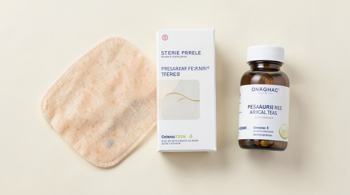
Eyelid hygiene is another critical component of home-based management. Daily care using gentle, non-irritating cleansers or diluted baby shampoo can help remove debris and bacteria that accumulate along the lid margins, reducing chronic inflammation that exacerbates dry eye symptoms 410. This practice, when performed carefully, helps maintain gland health and supports the natural protective mechanisms of the ocular surface 6.
Dietary Support and Systemic Hydration
While topical measures provide immediate relief, systemic health significantly impacts long-term ocular comfort. Maintaining proper hydration by drinking adequate water throughout the day is a foundational requirement for all bodily functions, including the production of the aqueous tear layer 10. Furthermore, nutritional supplementation with omega-3 fatty acids, specifically EPA and DHA sourced from fish oil, has been linked to improved meibomian gland secretions and enhanced tear film quality 410. While these dietary changes do not replace clinical treatment for advanced disease, they serve as a supportive measure for many patients 4.
| Management Category | Primary Action | Expected Benefit |
|---|---|---|
| Environmental | Humidifier usage | Reduces tear evaporation |
| Behavioral | 20-20-20 rule | Prevents blink suppression |
| Hygiene | Warm compresses | Improves oil gland secretion |
| Systemic | Omega-3 intake | Supports tear film stability |
When to Seek Professional Evaluation
While home-based measures are effective for many, it is crucial to recognize that they are not curative for structural eyelid issues, severe gland atrophy, or underlying autoimmune conditions 35. If dry eye symptoms persist despite consistent application of these habits, or if they are accompanied by significant pain or vision impairment, professional evaluation is necessary 36. An eye care professional can perform specialized tests, such as tear break-up time analysis or Schirmer tests, to quantify tear quality and volume accurately 2.
Ongoing maintenance realities mean that for many, dry eye management is a chronic, daily commitment rather than a temporary fix 38. Patients are cautioned against attempting unapproved home remedies, such as applying kitchen oils or herbal preparations directly to the eyes, as these can lead to significant irritation or infection 6. Relying on evidence-based practices and medical guidance ensures that management remains both safe and effective 6.
Regulatory Oversight and Safety Considerations
The regulatory and safety landscape for dry eye management centers on the use of approved, preservative-free artificial tears and clinically sound habits. Preservative-free formulations are generally preferred for frequent use, as certain additives in bottled eye drops can cause further irritation to sensitive ocular surfaces 6. Consumers should prioritize products that mimic the natural lubricants of the eye without introducing chemicals that disrupt the ocular microbiome or surface barrier 3.
Ultimately, the objective of any management plan is to minimize inflammation and restore the stability of the tear film 5. Because dry eye is a heterogeneous condition, what provides relief for one person may not be sufficient for another, underscoring the importance of a tailored, professional-led approach for those with chronic or worsening symptoms 3.
Sources
- Harvard Health: Coping with Dry Eyes
- Health.com: Dry Eye Prevention Tips
- Acuvue: Home Relief for Dry Eye
- Pristine Eye Hospital: Natural Dry Eye Remedies
- Sooth Health: Dry Eye Syndrome Self-Care Guide
- WebEyeClinic: Natural Lubricants and Support
- Klarity Health: Causes and Natural Remedies
- Pacific Eye Institute: Healing Dry Eyes Naturally
- CorneaCare: Simple Home Remedies
- Triangle Family Eye Care: Home vs. Professional Treatment
Authored by 24Trendz team