Early warning signs of rheumatoid conditions: Clinical patterns and evaluation
Recognizing the Early Joint Pattern
Rheumatoid arthritis is a chronic systemic autoimmune disease in which the immune system causes inflammation in the joint lining and connective tissues. The condition most characteristically affects peripheral joints, including the wrists and metacarpophalangeal joints, and inflammation is often symmetrical, meaning similar joints on both sides of the body become involved. 1
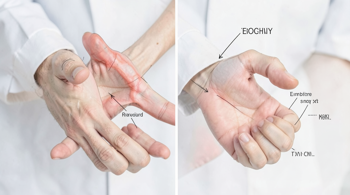
Early symptoms commonly appear in the smaller joints of the hands, wrists, and feet. Pain, tenderness, swelling, and warmth may occur together, while grip strength and ordinary hand movements gradually become less reliable. This pattern differs from many isolated injuries because several comparable joints may be affected rather than one area linked to a specific strain. 2
Morning Stiffness and Inflammation
Morning stiffness is one of the most useful early clues because inflammatory stiffness tends to persist after waking or following inactivity. Consumer clinical guidance describes rheumatoid arthritis stiffness as lasting more than 60 minutes, while other medical summaries identify 30 minutes or longer as a concerning inflammatory pattern. The duration matters more than brief stiffness that resolves quickly after movement. 3
Stiffness may be accompanied by pain, swelling, warmth, and reduced flexibility. Symptoms can become more noticeable after sitting, resting, or sleeping, rather than only after physical exertion. A recurring pattern over multiple days or weeks is more informative than a single uncomfortable morning, particularly when stiffness affects both hands, both wrists, or both feet. 4
Fatigue and Other General Symptoms
Rheumatoid arthritis can produce symptoms beyond the joints because it is systemic rather than exclusively mechanical. Persistent fatigue, weakness, malaise, low-grade fever, and reduced energy may accompany early inflammation. These symptoms can be difficult to interpret because they overlap with stress, disrupted sleep, infection, and other conditions, but their persistence alongside joint swelling or prolonged stiffness increases their clinical significance. 5
Some people may experience reduced appetite, unexplained weight loss, or a general sense of being unwell before severe joint damage develops. Fatigue may interfere with work, household tasks, concentration, and sleep even when visible swelling is limited. General symptoms do not establish a diagnosis on their own, but they help clinicians assess whether a joint problem may reflect broader inflammatory activity. 6
Changes in Movement, Grip, and Sensation
Inflammation in the hands and wrists can reduce range of motion and weaken grip strength. Everyday activities such as opening containers, holding a pen, turning a key, or handling small objects may become more difficult. Functional changes can develop gradually over several weeks or months, although some cases begin more abruptly. Tracking which tasks have changed can provide useful information during a medical assessment. 7
Numbness or tingling in the hands may occur when inflammation around the wrist places pressure on nerves, potentially producing symptoms similar to carpal tunnel syndrome. This sensory change is not specific to rheumatoid arthritis and may have other causes, so it should be considered alongside swelling, stiffness, tenderness, and the distribution of affected joints. Persistent or worsening loss of sensation warrants clinical evaluation. 8
Skin Findings and Symptoms Outside the Joints
Firm lumps called rheumatoid nodules may develop beneath the skin, particularly near pressure points or bony prominences such as the elbows. Nodules are associated with rheumatoid disease but are not present in every person, and their absence does not rule out the condition. A new lump should be assessed rather than assumed to be a rheumatoid nodule because several unrelated skin and soft-tissue conditions can appear similar. 9
Rheumatoid arthritis may also involve tissues beyond the joints, including connective tissue, blood vessels, lungs, and other organs. Dry eyes and general weakness have been reported among possible associated symptoms, but these findings are nonspecific. The combination of symmetrical inflammatory joint symptoms with persistent systemic complaints is more informative than any isolated symptom outside the joints. 10
How Clinicians Assess Possible Rheumatoid Arthritis
Diagnosis is based primarily on the pattern of symptoms and findings on physical examination, supported by laboratory testing and imaging. Blood tests may include rheumatoid factor and anti-cyclic citrullinated peptide antibodies, while X-rays can help assess joint changes. These tests are interpreted with the clinical picture because symptoms, examination findings, laboratory results, and imaging each provide different information. 1
Autoantibodies may be detectable several years before recognizable joint symptoms, but their presence does not guarantee that rheumatoid arthritis will develop. Research reporting on at-risk individuals indicates that only about 30% to 60% of people expressing these autoantibodies go on to develop the condition. Persistent swollen joints or stiffness that does not improve should therefore be discussed with a qualified clinician, rather than interpreted through blood testing alone. 4
Why the Timing of Evaluation Matters
Untreated rheumatoid inflammation can progressively damage cartilage, bone, ligaments, and other articular structures. Early disease-modifying treatment can reduce symptoms and slow progression, which is why persistent swelling, prolonged morning stiffness, and symmetrical small-joint symptoms are clinically important even when discomfort remains moderate. The goal of evaluation is not to label every ache as rheumatoid arthritis, but to distinguish sustained inflammatory patterns from short-lived mechanical soreness. 1
Symptoms that last for weeks, recur after rest, involve several joints, or interfere with grip and movement merit medical attention. A symptom record can document onset, duration of morning stiffness, joints affected, visible swelling, fever, fatigue, sensory changes, and changes in daily function. Such information can help clarify whether the pattern is gradual, episodic, or rapidly progressive and can support a more focused assessment. 3
Sources
- Merck Manual Professional Edition, Rheumatoid Arthritis (RA): https://www.merckmanuals.com/professional/musculoskeletal-and-connective-tissue-disorders/joint-disorders/rheumatoid-arthritis-ra
- MSD Manual Consumer Version, Rheumatoid Arthritis (RA): https://www.msdmanuals.com/home/bone-joint-and-muscle-disorders/joint-disorders/rheumatoid-arthritis-ra
- Acibadem Hospitals Group, Rheumatoid Arthritis Symptoms: Causes and Care: https://acibademinternational.com/health-library/rheumatoid-arthritis-symptoms-possible-causes-and-when-to-seek-care/
- Medical News Today, Rheumatoid Arthritis Begins Years Before Symptoms: https://www.medicalnewstoday.com/articles/rheumatoid-arthritis-silently-starts-years-before-pain-study
- Tristate Arthritis & Rheumatology, Early Warning Signs of Rheumatoid Arthritis: https://tristatearthritis.com/rheumatoid-arthritis/7-early-warning-signs-of-rheumatoid-arthritis-when-to-see-a-northern-kentucky-arthritis-specialist/
- Suite Life Health, How to Recognize the First Signs of Rheumatoid Arthritis: https://www.suitelifehealth.com/blog/how-to-recognize-the-first-signs-of-rheumatoid-arthritis
- Dartmouth Health, What Are the Early Signs of Arthritis?: https://www.dartmouth-health.org/articles/what-are-early-signs-arthritis
- Prevention, Doctors Explain Common Rheumatoid Arthritis Symptoms: https://www.prevention.com/health/health-conditions/a71297620/doctors-explain-rheumatoid-arthritis-symptoms/
- The Rheum Doc, Early Signs of Rheumatoid Arthritis You Shouldn’t Ignore: https://www.therheumdoc.com/blog/early-rheumatoid-arthritis-symptoms
- Merck Manual Consumer Version, Rheumatoid Arthritis (RA): https://www.merckmanuals.com/home/bone-joint-and-muscle-disorders/joint-disorders/rheumatoid-arthritis-ra
Authored by 24Trendz team