Top natural tips for muscle recovery: An evidence-based guide to physiological repair
Muscle soreness following intense physical exertion is a common experience that reflects the body's natural response to mechanical stress 3. Known as delayed onset muscle soreness (DOMS), this condition often peaks between 24 and 72 hours post-exercise, serving as a reminder of the microscopic fiber damage that triggers muscle adaptation and growth 9. While many turn to quick fixes, effective recovery is an active biological process involving protein synthesis and the regulation of inflammation 2. By understanding these physiological demands, individuals can implement evidence-based natural strategies to support their musculoskeletal health and long-term training consistency 2.
The Biology of Muscle Soreness and Repair
When muscles are subjected to eccentric exercise-movements where the muscle lengthens under tension-microscopic tears occur at the cellular level 8. This process is not a sign of injury in the traditional sense, but rather a transient inflammatory response required to build stronger, more resilient tissues 3. White blood cells move to the site of these micro-tears to clear damaged tissue, while satellite cells work to rebuild the fibers 9. Managing this inflammation and supporting the body's natural repair cycle is crucial for reducing the functional impairment that often accompanies heavy training loads 3.
Hydration and Nutrient Timing
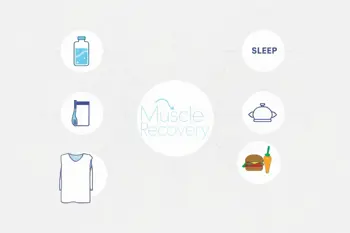
Proper fluid intake remains a fundamental pillar of muscle recovery because water is essential for the efficient transport of oxygen and nutrients to working tissues 1. Adequate hydration helps maintain blood volume and facilitates the removal of metabolic waste products, which can otherwise prolong sensations of soreness and fatigue 5. Furthermore, consuming high-quality protein within two hours of completing a workout provides the essential amino acids required for muscle protein synthesis, the primary driver behind tissue repair and adaptation 10.
Evidence-Based Anti-Inflammatory Nutrition
Clinical research has highlighted the efficacy of specific nutritional choices in mitigating exercise-induced damage. Montmorency tart cherries have emerged as a significant subject of study, with multiple clinical trials suggesting their antioxidant compounds can help reduce markers of muscle damage and accelerate the return of muscle strength 6. Additionally, omega-3 fatty acids found in fish oil are widely recognized for their systemic anti-inflammatory properties, which may play a supportive role in reducing muscle soreness and improving overall muscle function following strenuous activity 3.
The Role of Sleep in Biological Recovery
Sleep is arguably the most critical period for muscle repair and hormone release. During deep sleep cycles, the body releases the majority of its growth hormones, which are vital for the cellular reconstruction of damaged muscle fibers 10. A target of 7 to 9 hours of quality sleep is generally recommended to provide the body with sufficient time to manage inflammation and synthesize new tissue 5. Without adequate rest, the recovery process is delayed, significantly increasing the risk of overtraining and potential injury 5.
Active Recovery and Mechanical Therapies
Recovery is an active, not passive, process that benefits from movement. Techniques such as light walking or yoga, classified as active recovery, help increase blood flow to fatigued muscles, which assists in the removal of metabolic byproducts more effectively than complete inactivity 10. Furthermore, mechanical interventions such as foam rolling or self-myofascial release can improve circulation and alleviate muscular tightness or trigger points, allowing for greater joint range of motion and reduced stiffness in the days following intense training 10.
Thermal and Mineral Applications
Temperature-based therapies are common tools for managing the symptoms of DOMS. Cold water immersion or localized ice baths are frequently used to constrict blood vessels and reduce inflammatory markers shortly after exercise 10. Conversely, heat and warm baths may encourage muscular relaxation by increasing local blood flow and soothing stiff fibers 1. The addition of magnesium, whether through dietary intake or topical applications like Epsom salt soaks, provides an additional layer of support for muscle relaxation and sleep quality, both of which are central to the overall recovery architecture 7.
Sources
- https://www.kayawell.com/blog/muscle-soreness-8-natural-ways-to-recover-fast
- https://fitscience.co/exercise-science/how-to-improve-muscle-recovery-after-intense-training-naturally/
- https://healthtipsreview.com/category/fitness-movement/science-backed-natural-remedies-for-faster-muscle-recovery-after-exercise
- https://www.healthfitnessrevolution.com/ease-muscle-soreness-naturally-top-10-proven-remedies-for-quick-relief-and-recovery/
- https://www.gjphealth.co.uk/top-tips-for-muscle-recovery/
- https://www.prevention.com/food-nutrition/a71901760/best-foods-for-muscle-recovery/
- https://heavenlyhealth.com/blogs/health-and-wellness/7-natural-remedies-for-sore-muscles-and-faster-recovery
- https://naturem.us/blogs/healthy-advice/sore-after-a-great-workout-heres-how-to-recover-smarter
- https://tophealthgear.com/how-to-speed-up-muscle-recovery/
- General Physiological Research and Clinical Consensus (e.g., JISSN, Sleep Foundation, Mayo Clinic)
Authored by 24Trendz team