Warning signs of ulcerative colitis: Clinical indicators and when symptoms warrant evaluation
Warning signs of ulcerative colitis include recurring diarrhea, blood or mucus in the stool, abdominal cramping, urgency, and a continuing sensation that a bowel movement is needed. Symptoms can develop gradually, become more severe over time, or appear during flares separated by periods of remission. Because several digestive conditions can cause similar complaints, persistent or recurrent symptoms require clinical assessment rather than self-diagnosis. 1
Changes in bowel movements
Diarrhea is one of the most recognizable signs of ulcerative colitis. Stools may be loose or watery and can contain visible blood, mucus, or pus because inflammation and ulcers affect the inner lining of the colon and rectum. Some people experience an increase to fewer than four bowel movements daily in mild disease, while more active disease may involve more than six bowel movements each day. 1
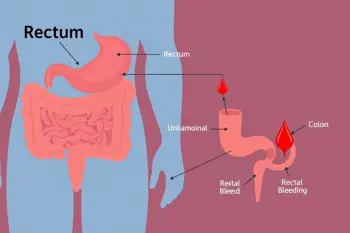
Bloody diarrhea is particularly important because rectal bleeding is not considered a normal bowel symptom. The blood may appear on or within loose stool, and mucus may occur alongside it. Ulcerative colitis commonly begins in the rectum and may extend farther through the colon, so the amount and frequency of bleeding can vary according to the location and severity of inflammation. 3
Urgency, tenesmus, and incomplete evacuation
A sudden, urgent need to use the bathroom is a frequent warning sign. Some people also experience tenesmus, meaning a persistent feeling that a bowel movement is necessary even when the rectum may be empty. This can create repeated trips to the bathroom, straining, and frustration because the sensation does not always end after stool is passed. 1
The inability to have a bowel movement despite a strong urge is also described in ulcerative colitis symptom profiles. These rectal symptoms may occur with diarrhea, blood, mucus, abdominal discomfort, or rectal pain. A continuing sense of incomplete evacuation is clinically relevant when it is new, recurrent, or associated with bleeding, because it can reflect inflammation in the rectum. 27
Abdominal pain and cramping
Abdominal cramping and pain commonly accompany active ulcerative colitis. Discomfort may occur as the colon contracts and responds to inflammation, and it may be associated with repeated bowel movements or urgency. Mild disease can cause intermittent belly pain, while moderate or severe disease may produce more intense cramping that interferes with normal activities, sleep, eating, or concentration. 2
Pain alone does not establish ulcerative colitis, since many gastrointestinal conditions can cause abdominal discomfort. Its significance increases when pain occurs together with bloody diarrhea, mucus, fever, fatigue, weight loss, or a noticeable change in bowel frequency. Severe or rapidly worsening abdominal pain is a red flag, particularly when it occurs with heavy bleeding, dehydration, vomiting, or fever. 36
Whole-body warning signs
Fatigue, fever, nausea, vomiting, and unintentional weight loss are more likely when ulcerative colitis is severe or affects a larger portion of the large intestine. Fatigue can accompany active inflammation or blood loss, while fever may indicate a substantial inflammatory response. Weight loss can result from reduced appetite, illness-related effects, or difficulty maintaining adequate intake during persistent symptoms. 1
Anemia is a recognized complication and may result from chronic intestinal blood loss or inflammation. It can contribute to tiredness and reduced physical capacity. In children, active ulcerative colitis may also be associated with delayed growth or failure to thrive. These systemic findings are more concerning when they develop with ongoing diarrhea or rectal bleeding rather than as isolated, short-lived symptoms. 249
Less obvious and extraintestinal signs
Ulcerative colitis can be associated with symptoms outside the digestive tract. Reported extraintestinal manifestations include joint pain, skin inflammation or rashes, and mouth sores. These findings do not prove that ulcerative colitis is present, but they may add clinical context when bowel symptoms are also occurring. Their appearance should be documented for a healthcare professional, especially if they coincide with a flare. 1013
Night-time diarrhea is another pattern that deserves attention because it disrupts sleep and is associated with inflammatory bowel disease in clinical references. Reduced appetite may accompany active symptoms and contribute to weight loss or nutritional problems. Symptoms can fluctuate, with remission lasting weeks or years before a relapse, so an interval of improvement does not rule out an underlying inflammatory condition. 81012
When symptoms suggest severe disease
Severity is assessed partly by bowel frequency and bleeding. NIDDK describes mild symptoms as fewer than four bowel movements per day with occasional blood, while severe disease may involve more than six daily bowel movements with blood. Fulminant, or extremely severe, ulcerative colitis may cause more than 10 bloody bowel movements in one day. These figures provide clinical context, not a substitute for individual assessment. 1
Severe bleeding, dehydration, fever, intense abdominal pain, vomiting, or rapid worsening require prompt medical evaluation. Frequent diarrhea can deplete fluids and electrolytes, while ongoing blood loss can worsen anemia. A person with known ulcerative colitis may be experiencing a flare, but infection and other conditions can produce similar symptoms, so treatment changes and medication decisions should be guided by a clinician. 63
How clinicians investigate warning signs
Ulcerative colitis is a chronic inflammatory bowel disease involving inflammation and ulcers on the inner lining of the large intestine. Diagnosis generally combines the symptom history with medical testing. Stool tests and blood tests may help evaluate inflammation, bleeding, anemia, or infection, while endoscopic examination is used to inspect the colon and obtain tissue when appropriate. 48
Sigmoidoscopy or colonoscopy may be used to examine the rectum and colon, and colonoscopy is a standard diagnostic approach described in clinical references. Testing also helps distinguish ulcerative colitis from Crohn’s disease, infection, and other causes of diarrhea or rectal bleeding. A pattern of flares and remission is characteristic, but symptoms alone cannot determine disease extent, severity, or the correct diagnosis. 35
Sources
- National Institute of Diabetes and Digestive and Kidney Diseases, Symptoms & Causes of Ulcerative Colitis
- Penn Medicine, Ulcerative Colitis: Symptoms and Causes
- Merck Manual Consumer Version, Ulcerative Colitis
- National Institute of Diabetes and Digestive and Kidney Diseases, Definition & Facts of Ulcerative Colitis
- Mayo Clinic, Ulcerative Colitis: Symptoms and Causes
- Cleveland Clinic, Ulcerative Colitis
- Johns Hopkins Medicine, Ulcerative Colitis
- Crohn’s & Colitis Foundation, Ulcerative Colitis Symptoms
- Mount Sinai, Ulcerative Colitis
- MedlinePlus, Ulcerative Colitis
- WebMD, Ulcerative Colitis Symptoms
- Healthline, Ulcerative Colitis Symptoms
- MedicineNet, Ulcerative Colitis
Authored by 24Trendz team