Warning signs of heart disease you should know: A clinical overview of early indicators and cardiac symptoms
Heart disease serves as a leading cause of mortality globally, yet many individuals remain unaware of the subtle biological signals their bodies may produce before a significant cardiac event occurs 4. While sudden cardiac episodes are frequently reported, the reality is that the cardiovascular system often exhibits warning signs well in advance 1. These indicators are frequently overlooked or misattributed to non-cardiac causes such as aging, stress, or minor digestive issues, which can inadvertently delay essential medical evaluation 1. Recognizing these symptoms is a critical component of proactive health management.
Understanding Chest Discomfort and Angina
Chest discomfort remains the most widely recognized symptom associated with coronary artery disease (CAD), the most prevalent form of heart disease in many regions 4, 8. However, this sensation is frequently misunderstood; it is often described not as sharp pain, but as a feeling of pressure, tightness, or a heavy weight upon the chest 1. This sensation, known as angina, may manifest during exertion or emotional stress when the heart requires more oxygen than the narrowed arteries can provide 8.
Patients should note that these sensations can be intermittent, coming and going over several minutes, rather than remaining constant 8. Because this discomfort is often mild or fleeting, individuals may dismiss it as heartburn or indigestion 1, 8. Persistent or recurring chest tightness requires professional assessment, particularly when it occurs alongside other physical changes or follows a pattern of being provoked by activity and relieved by rest 2.
Respiratory Symptoms and Shortness of Breath
Shortness of breath is a common clinical indicator that the heart may be struggling to pump blood with sufficient efficiency 1. While individuals often attribute this lack of stamina to age or poor physical conditioning, it can signify that the cardiovascular system is failing to meet the body's oxygen demands 1. This symptom may be particularly noticeable during routine chores, climbing stairs, or while engaging in mild physical activity 1.
In cases of heart failure, shortness of breath may also occur when an individual is lying flat, as fluid can accumulate in the lungs when the heart is unable to clear it properly 5. Furthermore, a persistent cough that produces white, pink, or blood-tinged phlegm can be a secondary indicator of pulmonary congestion caused by inadequate cardiac pumping action 5. Any breathlessness that seems disproportionate to the level of exertion should be addressed with a healthcare provider 3.
Systemic Pain Outside the Chest
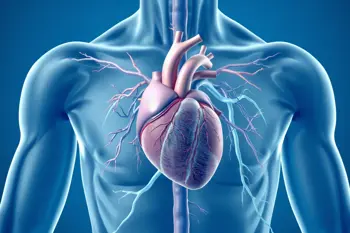
Cardiac-related discomfort is not exclusively localized to the chest area. As the heart muscle undergoes ischemia, or restricted blood flow, the resulting pain can radiate to several areas of the body, including the shoulders, arms, neck, jaw, and upper abdomen 2. These sensations are often described as dull or tight rather than acutely painful, which can lead to further confusion regarding their origin 1. Women, in particular, are statistically more likely to experience jaw pain or stomach-related symptoms as a warning sign of a cardiac event 5, 9.
| Region | Associated Symptom Type |
|---|---|
| Arms/Shoulders | Pain, heaviness, or numbness |
| Jaw/Throat | Discomfort mimicking toothache |
| Stomach | Nausea, indigestion, or abdominal pressure |
| Back | Radiating dull ache |
Fatigue and General Malaise
Unusual or extreme fatigue is an early warning sign that is frequently reported but rarely associated with heart health by the average person 1. Unlike typical exhaustion following a demanding day, cardiac-related fatigue often lacks an obvious cause and may persist despite adequate rest 1, 6. This form of fatigue is often observed in patients with chronic heart failure or established coronary artery disease, as the body struggles to maintain energy levels when the heart is not functioning at optimal capacity 2.
Dizziness and Peripheral Circulation Indicators
Cardiac conditions can also manifest through symptoms related to the body's circulation. Lightheadedness, dizziness, and sudden fainting (syncope) occur when the heart is unable to maintain adequate blood pressure and circulation to the brain 4, 10. Furthermore, peripheral artery disease (PAD) may present as pain, coldness, or numbness in the legs and arms, signaling systemic issues with blood vessels throughout the body 6, 10. Swelling in the ankles, feet, and legs (edema) is another hallmark indicator that fluid is backing up because the heart is failing to pump blood effectively 10.
Diagnostic Considerations and Risk Management
It is important to understand that heart disease risk factors, including high blood pressure, diabetes, high cholesterol, tobacco use, and a sedentary lifestyle, significantly elevate the likelihood of developing these symptoms 2, 3. Medical professionals categorize patients by risk levels to determine appropriate monitoring and treatment strategies, which may include lifestyle modifications or pharmacological interventions 3. Diagnostic testing, such as electrocardiograms (ECG), stress tests, and imaging, are utilized to confirm the presence of conditions like arrhythmias or valve disorders 7.
Because many individuals may not experience any symptoms until a major cardiac event occurs, regular health screenings remain the primary method for early detection 5. Maintaining regular contact with a healthcare provider allows for the identification of risk factors before they evolve into chronic heart conditions 4.
Sources
- National Institutes of Health (NIH) - Heart Disease Warning Signs
- Harvard Health Publishing - 5 Overlooked Symptoms of Heart Trouble
- Government of Canada - Heart Disease Symptoms and Treatment
- UC Davis Health - Understanding Heart Disease
- Heart Foundation - Seven Surprising Symptoms of Heart Disease
- Ochsner Health - Early Signs of Heart Disease
- Acibadem Hospitals Group - Heart Disease Overview
- Cleveland Clinic - Early Signs of a Heart Attack
- American Heart Association - Warning Signs of Heart Attack
- Mayo Clinic - Cardiovascular Disease Indicators
Authored by 24Trendz team