Early signs of heart disease you should watch for: A clinical guide to warning patterns
Early signs of heart disease you should watch for include chest discomfort, shortness of breath, unusual fatigue, pain outside the chest, nausea, dizziness, palpitations, and swelling. These symptoms can be mistaken for stress, aging, indigestion, or being out of shape, yet several clinical sources describe them as possible indicators of coronary artery disease, heart failure, or a heart attack. 1
Chest discomfort and pain beyond the chest
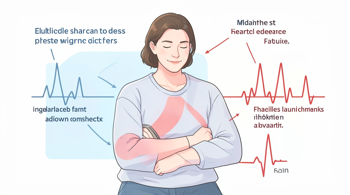
Heart-related chest discomfort is not always sharp or severe. It may feel like pressure, squeezing, tightness, fullness, heaviness, or an unfamiliar ache in the center or left side of the chest. Symptoms may appear during exertion, emotional stress, or routine activity and improve with rest, a pattern associated with angina caused by reduced blood flow to the heart muscle. 2
Discomfort can also radiate to one or both arms, the shoulders, back, neck, jaw, or upper abdomen. Harvard Health notes that coronary artery disease may cause pain outside the chest because the heart and nearby body regions share nerve pathways. A recurring pattern, particularly in a person with high blood pressure, high cholesterol, diabetes, tobacco exposure, obesity, inactivity, or a strong family history, warrants medical assessment. 3
Breathlessness and declining stamina
Shortness of breath during activities that previously felt routine is an important change to monitor. Becoming winded while walking, climbing stairs, carrying groceries, or completing household chores can indicate that the heart is not circulating oxygen-rich blood efficiently. Breathlessness may occur with chest discomfort or independently, so the absence of chest pain does not exclude a cardiac cause. 1
A gradual reduction in exercise capacity can also occur with early heart failure. The Heart Failure Society of America’s FACES framework identifies fatigue, activity limitation, congestion, edema, and shortness of breath as characteristic warning patterns. Breathlessness while lying down, nighttime breathing difficulty, coughing, or wheezing may reflect fluid congestion and should be evaluated rather than automatically attributed to aging or poor fitness. 5
Fatigue, weakness, nausea, and lightheadedness
Unusual fatigue is a potentially important early symptom, especially when it persists without a clear explanation or feels different from ordinary tiredness after a demanding day. Harvard Health links constant fatigue with coronary artery disease or heart failure, while clinical reporting from Cleveland Clinic describes unusual fatigue as a possible symptom occurring hours, days, or weeks before some heart attacks. 2 6
Nausea, vomiting, weakness, lightheadedness, cold sweating, or a general sense that something is wrong may accompany heart disease or a heart attack. These symptoms can be more prominent in women and older adults, who may not experience dramatic chest pain. The Office on Women’s Health specifically identifies unusual tiredness, shortness of breath, nausea, back or jaw pain, and dizziness as possible symptoms in women. 7
Swelling and other signs of heart failure
Heart failure often develops progressively as the heart becomes less able to meet the body’s demand for blood and oxygen. Fluid can collect in the ankles, feet, legs, thighs, or abdomen, producing visible swelling. Rapid unexplained weight gain may also reflect fluid retention rather than a change in body fat. Persistent tiredness and reduced ability to complete normal activities commonly occur alongside these changes. 5
Breathing difficulty that worsens when lying flat, waking at night with breathlessness, persistent coughing, wheezing, or a racing heartbeat can also occur with heart failure. Cleveland Clinic describes shortness of breath, fatigue, leg or ankle swelling, rapid heartbeat, and difficulty breathing while lying down as symptoms that merit clinical attention. These findings do not establish a diagnosis by themselves, but their combination increases the importance of assessment. 8
Palpitations, dizziness, and fainting
A fast, fluttering, pounding, or irregular heartbeat may indicate an arrhythmia, including atrial fibrillation. Some people with atrial fibrillation have no symptoms, while others notice palpitations, fatigue, breathlessness, dizziness, or reduced stamina. A persistent or repeatedly recurring change in rhythm is medically relevant, particularly when it interferes with ordinary activity or appears alongside other cardiovascular symptoms. 4
Dizziness, fainting, or near-fainting can occur when the heart rhythm or pumping action temporarily reduces blood flow to the brain. Johns Hopkins Medicine lists chest discomfort, shortness of breath, fatigue, dizziness, fainting, and palpitations among symptoms that may occur with heart conditions. Palpitations accompanied by chest discomfort, breathlessness, fainting, or marked weakness require emergency evaluation rather than observation at home. 9
Symptoms that require emergency response
Possible heart-attack symptoms include pressure or discomfort in the chest lasting more than a few minutes or returning after easing, pain spreading to the arm, back, neck, jaw, or stomach, shortness of breath, cold sweat, nausea, and lightheadedness. The American Heart Association and the Centers for Disease Control and Prevention identify these as warning signs that can occur together or separately. 10 11
When these symptoms occur, especially when chest discomfort is combined with breathlessness, sweating, nausea, faintness, or radiating pain, emergency services should be contacted. A person experiencing possible heart-attack symptoms should not drive themselves. Symptoms can wax and wane, and temporary improvement does not reliably distinguish indigestion, anxiety, or muscle pain from a dangerous cardiac problem. 6
Risk factors and preventive evaluation
Coronary artery disease may develop before obvious symptoms appear. Plaque can accumulate in the arteries that supply the heart, and some people have no warning signs until a heart attack occurs. Risk is influenced by high blood pressure, high cholesterol, diabetes, tobacco use, sedentary behavior, obesity, genetics, and family history. Routine evaluation can identify several of these factors even when a person feels well. 3
Preventive discussions may include blood pressure, cholesterol, blood glucose, and, in selected people with a strong family history of early heart disease, additional markers such as lipoprotein(a) or ApoB. Sutter Health reports that lipoprotein(a) is a genetic cardiovascular risk marker and that ApoB reflects particles associated with atherogenic cholesterol. Test selection depends on personal history and clinician judgment, not symptoms alone. 4
How to interpret changes over time
The most useful warning pattern is often a change from a person’s established baseline. Activities that once felt routine may begin to require more recovery time, cause unusual breathlessness, or produce fatigue. Symptoms triggered by exertion and relieved by rest are particularly relevant to possible angina. Recording when symptoms occur, what activity preceded them, how long they last, and whether they recur can provide useful information for a medical evaluation. 2
No single symptom confirms heart disease, and many warning signs have noncardiac causes. However, recurring or progressive symptoms should not be dismissed solely as stress, aging, indigestion, or deconditioning. Heart disease includes several conditions, including coronary artery disease, heart failure, valve disease, and rhythm disorders, so the appropriate evaluation depends on the symptom pattern, medical history, examination, and risk factors. 12
Sources
- NIHD, “Heart Disease Warning Signs You Should Never Ignore”
- Harvard Health, “5 overlooked symptoms that may signal heart trouble”
- Ochsner Health, “Do I Have Heart Disease? 5 Signs to Know About”
- Sutter Health, “6 Silent Signs of Heart Disease You Shouldn’t Ignore”
- Harvard Health, “5 warning signs of early heart failure”
- Cleveland Clinic, “What Are the Early Warning Signs of a Heart Attack?”
- U.S. Office on Women’s Health, “Heart Disease and Women”
- Cleveland Clinic, “Heart Failure: Understanding Heart Failure”
- Johns Hopkins Medicine, “Heart Disease Symptoms”
- American Heart Association, “Warning Signs of a Heart Attack”
- Centers for Disease Control and Prevention, “Signs and Symptoms of Heart Disease”
- National Heart, Lung, and Blood Institute, “Coronary Heart Disease Symptoms”
Authored by 24Trendz team