Early Signs of Kidney Disease: A Clinical Overview of Silent Indicators and Diagnostic Protocols
Chronic kidney disease (CKD) is characterized by the gradual loss of kidney function, often remaining asymptomatic until substantial structural damage has occurred 1. Often described as a silent condition, CKD affects more than 35 million Americans, yet approximately nine out of 10 individuals living with the disease are unaware of their diagnosis 1, 3. Because the kidneys function as the body's primary waste filtration system, managing their health requires an understanding of subtle physiological shifts that may precede advanced renal impairment 1, 2.
The Physiological Role of the Kidneys
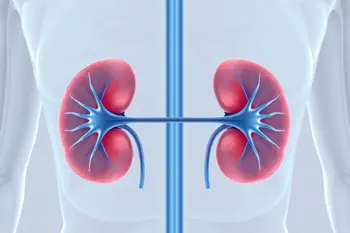
The kidneys serve several vital roles beyond simple waste removal. These bean-shaped organs, located beneath the rib cage, filter urea, toxins, and acids from the bloodstream through complex microscopic structures known as nephrons 2, 3. Beyond filtration, they regulate blood pressure, maintain electrolyte balance, produce hormones required for red blood cell synthesis, and facilitate the maintenance of bone health 2, 3. When these functions are compromised, waste products accumulate in the blood, leading to systemic complications 3, 6.
Early Indicators and Symptomatic Presentations
While early-stage CKD frequently presents without overt symptoms, clinical observation has identified several indicators that may suggest emerging dysfunction 1, 8. Patients may report persistent fatigue or low energy levels, often linked to reduced production of erythropoietin, the hormone necessary for red blood cell development 1, 3. Furthermore, changes in urinary habits, such as increased frequency-particularly during nighttime hours-or the appearance of foamy or discolored urine, are frequently cited by clinicians as potential warning signs 1, 3, 9. Edema, or visible swelling in the feet, ankles, or hands, occurs as the body struggles to eliminate excess fluid and sodium effectively 1, 3.
Risk Factors and Demographic Prevalence
Certain populations face a significantly elevated risk of developing CKD, often dictated by underlying health conditions and medical history 5, 7. Diabetes and hypertension are established as the two most frequent drivers of kidney damage, with one in three individuals with diabetes and one in five individuals with hypertension developing kidney-related complications 4, 8. Other risk factors include a family history of kidney failure, heart disease, obesity, and advanced age (60 or older) 5, 6. Epidemiological data indicates that CKD is present in approximately 20% of non-Hispanic Black adults, compared to 12% of non-Hispanic White adults, with prevalence rates for Hispanic and Asian adults reported at approximately 14% each 8.
Diagnostic Frameworks: eGFR and uACR
Because symptoms are unreliable markers of early disease, medical professionals rely on standardized laboratory testing to assess renal health 5, 7. The two primary diagnostic tools are the estimated glomerular filtration rate (eGFR) and the urine albumin-to-creatinine ratio (uACR) 5. The eGFR test uses serum creatinine levels, age, and sex to calculate how effectively the kidneys filter waste products from the blood 5. The uACR test identifies small amounts of albumin in the urine, which serves as a sensitive indicator of potential kidney damage even before eGFR levels drop significantly 5, 7.
| Diagnostic Test | Clinical Objective | Significance |
|---|---|---|
| eGFR | Measures filtration rate via blood | Determines functional kidney capacity |
| uACR | Detects albumin levels in urine | Signals structural kidney damage |
Clinicians typically interpret these results as part of a trend over time, as individual measurements can be influenced by transient factors such as hydration status, recent illness, or specific medication usage 5.
Management and Preventative Strategies
Early identification of renal stress allows for clinical interventions aimed at slowing disease progression 6, 7. Management strategies often focus on tight control of blood sugar and blood pressure, which are essential to mitigating further damage to the renal vessels 4, 7. Physicians may also perform medication reviews to identify and eliminate nephrotoxic substances, such as specific non-steroidal anti-inflammatory drugs (NSAIDs) or antibiotics, which can further stress declining kidneys 4, 5. Through consistent medical oversight and lifestyle monitoring, the long-term prognosis for individuals with early-stage kidney disease can be significantly improved, delaying or preventing the transition to end-stage renal disease (ESKD) 6, 7.
Sources
- Stony Brook Medicine: Kidney Disease: Early Signs, Causes, Stages & Prevention
- AdventHealth: What Are the Symptoms of Kidney Disease?
- UAMS News: Kidney Awareness: Protecting Your Health from the Inside Out
- Prevention: 7 Kidney Disease Symptoms Doctors Say You Shouldn't Ignore
- Southeast Kidney Associates: Early Kidney Disease: Risks, Silent Signs, and the Tests That Matter
- American Kidney Institute: Chronic Kidney Disease Symptoms Guide
- National Kidney Foundation of Michigan: National Kidney Month: Early Detection Can Save Lives
- National Institute of Diabetes and Digestive and Kidney Diseases: Kidney Disease Statistics for the United States
- NDTV: Early Kidney Damage Has No Symptoms
- Business Standard: Early Symptoms of Kidney Problems
Authored by 24Trendz team