Warning signs of sleep apnea: A clinical overview of identifying sleep-disordered breathing
Sleep apnea is a medical condition where breathing repeatedly stops and starts throughout the night 1, 4. This disruption often forces the body to wake briefly to restart breathing, leading to fragmented, non-restful sleep 1, 4. Because many of these arousals occur subconsciously, individuals may be unaware that their sleep quality is poor 1, 8. Recognizing the physiological and behavioral indicators of this condition is a critical step in seeking appropriate medical guidance 4, 5.
The Core Mechanisms of Sleep-Disordered Breathing
Sleep apnea generally manifests through three primary types, with obstructive sleep apnea (OSA) being the most prevalent 1, 8. OSA occurs when throat muscles relax during sleep, causing the airway to narrow or collapse 1, 3. In contrast, central sleep apnea is less common and results from the brain failing to send necessary signals to the muscles responsible for breathing 1, 2. Complex sleep apnea represents a combination of both obstructive and central symptoms 1.
The impact of these interruptions is profound. Apneas typically last between 10 and 30 seconds and can occur hundreds of times per night in severe cases 2, 4. This chronic cycle of oxygen deprivation and sleep fragmentation can contribute to systemic health issues, including elevated blood pressure and an increased risk of cardiovascular disease 2, 5. Furthermore, research indicates that untreated sleep apnea is associated with a 45% higher risk of Alzheimer’s disease and a sevenfold increase in the likelihood of being involved in motor vehicle accidents due to severe daytime fatigue 2, 6.
Common Nocturnal Warning Signs
Loud, chronic snoring is widely recognized as a primary indicator of OSA, although it is not present in all cases 3, 7. Snoring occurs as air is forced through a restricted airway 3. Frequently, this snoring is punctuated by long periods of silence, followed by loud snorts or gasps as the individual attempts to resume normal breathing 3. These witnessed pauses in breathing are often identified by a partner before the affected individual realizes a problem exists 1, 5.
Beyond snoring, several other nighttime indicators may suggest the presence of a breathing disorder:
- Repeated waking episodes that the person may not remember in the morning 4, 8.
- Waking up with a sensation of gasping, choking, or shortness of breath 3, 4.
- A sensation of dry mouth or a sore throat upon awakening, often caused by mouth breathing throughout the night 8.
- Restless sleep patterns characterized by frequent tossing and turning 4.
Daytime Indicators and Cognitive Effects
The cumulative effect of poor sleep quality often becomes apparent during waking hours. Excessive daytime sleepiness and fatigue are hallmark signs that the nightly resting process has been insufficient 2, 4. Individuals may find themselves falling asleep unintentionally during quiet activities or experiencing an inability to remain alert during daily tasks 4. These symptoms are frequently dismissed as consequences of a busy lifestyle rather than potential signs of an underlying disorder 4.
Cognitive and emotional symptoms also frequently accompany sleep-disordered breathing. Many patients report morning headaches, difficulty concentrating, memory impairment, and increased irritability or mood changes 5, 8. These symptoms stem from the brain’s inability to achieve restorative sleep stages, which are vital for neurocognitive function and emotional regulation 4. Left unaddressed, these issues can lead to significant impairments in occupational performance and overall quality of life 5.
Silent Sleep Apnea and Demographic Factors
It is a clinical misconception that loud snoring is a mandatory requirement for a sleep apnea diagnosis. Research indicates that less than 50% of obstructive sleep apnea cases present without audible or loud snoring, a condition sometimes referred to as silent sleep apnea 7. Individuals who sleep alone or those with very light, intermittent snoring may still suffer from airway obstruction without realizing the frequency of their breathing pauses 7.
Demographic and physical factors can also influence the likelihood of developing the condition:
| Factor | Risk Consideration |
|---|---|
| Age | Prevalence reaches nearly 36% in adults aged 60 and over 6. |
| Neck Size | A neck circumference of 17 inches (43 cm) or more in men, or 16 inches (41 cm) or more in women 3. |
| Weight | Obesity is a major risk factor due to excess tissue in the airway 2, 3. |
| Anatomy | Features such as enlarged tonsils, a small lower jaw, or a large tongue 2, 3. |
The Diagnostic Pathway
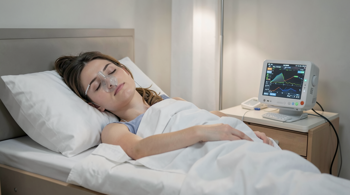
Clinical guidelines state that an apnea-hypopnea index (AHI) of five or less per hour is considered normal, while levels exceeding this indicate potential concern 5. Because most individuals remain unaware of their nocturnal breathing patterns, objective testing is required for a formal diagnosis 1. Diagnostic procedures typically include a formal sleep study, which may be conducted in a specialized laboratory or via home monitoring equipment depending on the patient's specific symptoms and clinical history 1, 8.
Medical professionals, including pulmonologists and sleep medicine specialists, use these studies to measure the frequency and duration of breathing pauses 1, 5. The results from these evaluations allow providers to classify the severity of the condition-mild, moderate, or severe-and develop a targeted treatment plan 9. Treatment paths vary based on the type and severity of the disorder, often including positive airway pressure (PAP) devices, oral appliances, or lifestyle adjustments 1, 8.
Conclusion on Early Recognition
Sleep apnea is a prevalent but frequently undiagnosed condition that carries significant risks to cardiovascular and cognitive health 5. Estimates suggest that approximately 80% of those living with the condition are unaware of their diagnosis, highlighting the necessity of recognizing symptoms such as fragmented sleep, daytime fatigue, and witnessed breathing pauses 5. Engaging with a healthcare provider for a professional evaluation remains the most effective course of action for those who suspect they may be experiencing these warning signs 4, 8.
Authored by 24Trendz team