Natural Remedies for Psoriasis: A Comprehensive Review of Evidence-Based Self-Care Strategies
Psoriasis is a chronic, immune-mediated dermatological condition characterized by the rapid turnover of skin cells, resulting in inflamed, scaly, and often itchy patches known as plaques 2, 7. Because this condition is persistent and requires ongoing management, many individuals seek complementary or natural remedies to supplement their standard clinical treatments 1, 8. While these strategies can help manage symptoms such as dryness, itching, and scaling, it is critical to understand that they are not curative and should never replace professional medical therapy 4, 9.
Understanding the Role of Topical Plant-Derived Treatments
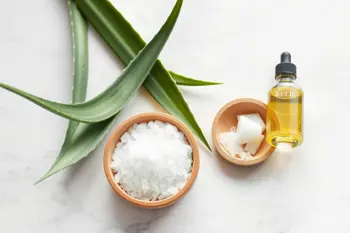
Topical application of natural compounds is a common approach to mitigating the physical discomfort associated with psoriasis. Aloe vera, specifically in gel or cream formulations containing 0.5% concentration, is frequently utilized to soothe irritated skin, although the scientific consensus remains limited regarding its efficacy as a primary treatment 1. Similarly, coconut oil is often applied to support the skin barrier; it has been observed to possess anti-inflammatory properties and may help increase filaggrin production, a protein essential for skin health 8. However, users should remain cautious, as natural plant extracts can occasionally induce localized allergic reactions or skin irritation in some individuals 9.
Other topical agents focus on physical relief through moisture retention. Colloidal oatmeal and various oat extracts are widely incorporated into bath products and moisturizers to assist in reducing redness and itching 1. These substances function primarily as protective barriers, helping to maintain hydration in the plaque-affected areas 9. While these applications do not alter the underlying autoimmune activity, they are often recommended by dermatology experts as part of a comprehensive skin care routine to improve overall comfort and minimize the daily burden of symptoms 4, 10.
The Utility of Specialized Baths and Soaks
Soaking in mineral-rich water is a long-standing practice for individuals with psoriasis looking to remove scales and soften skin plaques. Baths containing Dead Sea salts or Epsom salts are frequently utilized to ease itching and facilitate the removal of dead skin cells 1. Clinical best practices suggest soaking for approximately 15 minutes, followed immediately by the application of a fragrance-free moisturizer or emollient to seal in hydration 1. Despite the potential for temporary relief, these baths should be avoided if the skin is cracked, fissured, or acutely inflamed, as high salt concentrations can cause significant stinging and further irritation 9.
Sunlight Exposure and Phototherapy Considerations
Controlled ultraviolet (UV) radiation is recognized for its ability to slow the rapid proliferation of skin cells that characterizes psoriasis 4. While limited exposure to natural sunlight can improve symptoms for some individuals, intentional sunbathing carries substantial risks, including painful sunburns, premature skin aging, and an increased long-term risk of skin cancer 1, 9. Because of these hazards, medical professionals emphasize the superiority of phototherapy-a structured, clinical treatment utilizing specific, monitored UV wavelengths-over unregulated sun exposure 4. Any natural sunlight exposure should be limited and paired with appropriate broad-spectrum sun protection on unaffected skin areas 1.
Dietary Adjustments and Nutritional Supplements
The relationship between diet and psoriasis remains an area of ongoing scientific investigation. While some individuals report that specific foods may trigger flare-ups, there is currently no universal dietary protocol that cures the condition 1, 4. Supplements like fish oil are often discussed in this context, yet clinical reviews have found the evidence to be inconsistent regarding their effectiveness in reducing systemic inflammation related to psoriasis 9. Furthermore, higher doses of fish oil may interfere with anticoagulant medications, necessitating medical consultation before starting any supplementation regimen 9.
Stress Management and Lifestyle Modifications
Psoriasis is a systemic condition, and its manifestation is often exacerbated by environmental and psychological factors, including high stress levels 2, 4. Incorporating stress-reduction techniques-such as mindfulness, yoga, and meditation-can be highly beneficial for patients who notice a correlation between their mental health and the severity of their skin flares 9. Beyond stress, identifying and avoiding personal triggers, such as skin injuries, excessive alcohol consumption, or specific medications, is a critical component of successful long-term management 4.
Clinical Limitations and Regulatory Warnings
It is essential for patients to distinguish between supportive self-care and medical treatment. Some products marketed as 'natural cures' lack rigorous clinical oversight, and relying on them to the exclusion of prescribed medications can lead to unchecked disease progression 9. Psoriasis is associated with significant comorbidities, including psoriatic arthritis and cardiovascular complications, which require professional monitoring 2. All complementary strategies, including the use of topical capsaicin or herbal supplements, should be reviewed by a qualified dermatologist to ensure they do not interfere with pharmacological treatments or pose unnecessary health risks 9, 10.
| Remedy Type | Intended Benefit | Key Caution |
|---|---|---|
| Plant Moisturizers | Hydration, anti-inflammation | May cause irritation |
| Salt Baths | Scales removal, relief | Avoid on broken skin |
| Sunlight | Cell growth modulation | High cancer, burn risk |
| Stress Reduction | Prevent flare-ups | Not a primary treatment |
Sources
- WebMD, Alternative Ways to Treat Psoriasis, 2025
- PubMed, Harnessing Natural Compounds in Psoriasis, 2026
- Mayo Clinic, Psoriasis Diagnosis and Treatment, 2025
- GoodRx, 12 Psoriasis Self-Care Tips, 2025
- Health.com, How Is Psoriasis Treated?, 2023
- MDPI, Plant Extracts in Psoriasis Management, 2026
- IJPS Journal, Herbal Approaches to Psoriasis, 2026
- MyPsoriasisTeam, Psoriasis Home Remedies, 2025
- Divextop, 14 Natural and Home Remedies for Psoriasis, 2026
- Dr. Will Cole, The 15 Best Natural And Home Remedies For Psoriasis, 2026
Authored by 24Trendz team