Early symptoms of pulmonary embolism you should know: A Comprehensive Clinical Overview
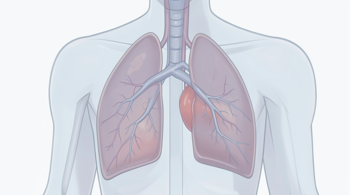
A pulmonary embolism (PE) is a clinical condition characterized by the sudden blockage of one or more pulmonary arteries, typically originating from a dislodged blood clot that has migrated from the deep veins, most commonly in the legs or pelvis 1. Because this condition can progress rapidly and potentially lead to life-threatening complications, recognizing its early indicators is a vital component of emergency awareness 2. While symptoms vary significantly depending on the size of the clot and an individual's underlying health status, certain patterns consistently appear in clinical observations 4.
Physiological Indicators and Common Symptoms
The most frequently reported indicator of a pulmonary embolism is the sudden onset of shortness of breath, which may manifest whether the individual is at rest or engaging in physical activity 4, 7. This breathlessness is often accompanied by sharp, stabbing chest pain that characteristically worsens during deep inhalation, coughing, or physical movement 2, 7. Furthermore, clinical presentations frequently include a rapid or irregular heartbeat, which may be perceived by the patient as palpitations 1, 2.
Respiratory and systemic symptoms also encompass coughing, which may produce blood-streaked mucus or phlegm 1, 2. Patients may also experience lightheadedness, dizziness, or fainting, particularly if the embolism significantly affects blood flow and oxygenation levels 7, 9. In some instances, systemic signs such as unexplained sweating, severe anxiety, or a physiological sense of distress may occur, though these symptoms are less specific and can overlap with other medical conditions such as anxiety disorders or cardiovascular events 7, 8.
The Connection Between DVT and Pulmonary Embolism
To understand the precursors of pulmonary embolism, one must account for deep vein thrombosis (DVT), the condition where a blood clot forms in the deep veins of the body 2, 10. Because DVT is the most common origin of the clots that result in PE, monitoring for leg-based symptoms is a key preventive measure 1, 6. Signs of DVT typically localized to the affected limb include swelling, persistent pain or tenderness that may resemble a severe muscle cramp, warmth, and visible redness or skin discoloration 2, 7.
The relationship between DVT and PE is fundamental to clinical risk assessment. A clot that remains contained in the leg veins poses a risk of breaking free, becoming an embolus, and traveling through the venous system to the pulmonary arteries 1, 6. Individuals with a history of venous insufficiency or those experiencing localized leg symptoms following surgery, long-term immobility, or extended travel are often categorized as having higher risk profiles for the development of these clots 2, 6.
Variability in Symptom Intensity
Clinical experience indicates that the severity of pulmonary embolism symptoms does not always correlate directly with the size or extent of the pulmonary blockage 4, 9. Some individuals may remain asymptomatic or report only vague, mild discomfort, such as fatigue or slight breathlessness after exertion, which can lead to delayed diagnostic evaluation 1, 5. Conversely, other patients may experience rapid-onset, severe symptoms that immediately jeopardize respiratory and cardiac function 4, 9.
Because mild symptoms can be mistaken for bronchitis, pneumonia, or other less critical lung conditions, clinicians emphasize the importance of professional evaluation for any unexplained changes in respiratory comfort 3, 4. The diagnostic process often involves ruling out DVT and assessing the presence of clots through specialized imaging and blood analysis, such as D-dimer testing, to determine the appropriate course of intervention 9, 10.
Risk Factors and Predisposing Conditions
The probability of developing pulmonary embolism is influenced by a variety of medical and lifestyle risk factors. Chronic health conditions, including heart disease and cancer, are known to elevate individual risk 1. Furthermore, genetic predisposition or a family history of clotting disorders can significantly impact a person's baseline risk level 1. Environmental and physiological factors also play a substantial role in thrombus formation and subsequent embolization risk 6.
| Category | Risk Factors |
|---|---|
| Medical History | Cancer, heart disease, clotting disorders |
| Life Events | Surgery, childbirth, severe injuries, fractures |
| Lifestyle | Long periods of immobility, long-term bedrest, travel |
| Medication | Estrogen therapy, long-term birth control pills |
When to Seek Professional Medical Assessment
Given the potential for a pulmonary embolism to cause irreversible damage to the lungs and strain the heart, immediate clinical evaluation is required if specific warning signs occur 5, 9. These indicators include sudden, unexplained shortness of breath, sharp chest pain when breathing, coughing up blood, or sudden fainting 7, 9. Symptoms of a deep vein thrombosis in the legs should also be treated with priority, as these are often the primary warning signs that precede the migration of a clot to the lungs 2, 10.
Emergency protocols are standard for patients who exhibit symptoms that suggest hemodynamic instability, such as a very fast or irregular pulse or significant dizziness 8, 9. Early detection remains the most critical factor in managing the condition, as medical teams utilize various diagnostic modalities-including CT angiography and ultrasound-to identify blockages and initiate treatment, which typically involves anticoagulant therapy to stabilize circulation and prevent further clot growth 9, 10.
Diagnostic Considerations and Medical Oversight
The diagnostic landscape for pulmonary embolism has evolved with updated clinical guidelines intended to help medical professionals determine the most effective testing and treatment strategies 3. Diagnostic accuracy is paramount, as clinicians must differentiate between PE and other conditions like heart attacks or pulmonary infections, which may present with overlapping clinical signs 4, 5. Because of this, diagnostic pathways often incorporate clinical scoring systems alongside laboratory findings to ensure high levels of medical precision 3, 9.
Patients who are managed for suspected or confirmed PE are typically monitored for the effectiveness of blood-thinning medications and the potential for secondary complications, such as cardiac strain 9, 10. While the treatment and recovery trajectory can be complex, understanding the specific symptom profile helps patients and their families recognize when to pursue formal medical diagnostics, potentially mitigating the risks associated with this serious vascular event 2, 10.
Sources
- Penn Medicine - Pulmonary Embolism Symptoms and Causes
- Stony Brook Medicine - Pulmonary Embolism: Symptoms, Risks and Prevention Guide
- American Heart Association - Pulmonary embolism can be life-threatening
- Acibadem Hospitals Group - Pulmonary Embolism Symptoms: Signs and Next Steps
- Endeavor Health - What is a pulmonary embolism? Signs, causes and how to prevent
- AIA - Five warning signs of pulmonary embolism
- Centers for Disease Control and Prevention - About Pulmonary Embolism
- National Heart, Lung, and Blood Institute - Pulmonary Embolism
- MedlinePlus - Pulmonary Embolism
- Mayo Clinic - Pulmonary Embolism Symptoms and Causes
Authored by 24Trendz team