Walk-In Tubs for Seniors: A Safety and Cost Analysis
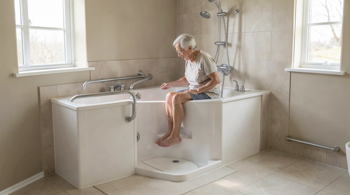
Walk-In Tubs for Seniors are commonly presented as a safer bathing option for older adults, particularly those experiencing mobility, strength, balance, arthritis, neuropathy, or fall-related concerns. The central design features are a watertight side door, low-entry threshold, molded seat, grab bars, and textured flooring, although the suitability of any model depends on the user’s transfer ability, bathroom layout, and supervision needs. 2
How walk-in tubs address bathing hazards
Bathrooms combine tight spaces, wet surfaces, and potential tripping hazards. The National Council on Aging identifies stepping over a conventional tub or shower edge as a particular concern for people with age-related mobility or balance changes, arthritis, medication-related dizziness, or reduced foot sensation associated with diabetic neuropathy. A walk-in design removes the high step-over barrier, which may support safer entry and help preserve bathing as an activity of daily living. 2
Safety is not created by the door alone. Relevant features include a low threshold, built-in handrails, textured or non-slip flooring, an elevated seat, supportive back and arm positions, and controls placed within comfortable reach. These elements can reduce strain during sitting and standing, but they do not eliminate the possibility of slipping, transferring incorrectly, becoming unsteady, or needing assistance. A professional assessment of the user’s mobility remains important before installation. 3
Entry, seating, and transfer considerations
Most walk-in tubs require the user to open and close a watertight door before filling or draining the tub. A chair-height built-in seat can make sitting and standing easier than lowering into a conventional bathtub, while interior grab bars provide handholds during transfers. Some sit-in designs use a wide door and an ADA-compliant seat so the user can turn, sit, and then bring the legs inside, an arrangement intended for people with mobility challenges. 5
Not every walk-in tub is appropriate for wheelchair users. Consumer Affairs describes Safe Step as less suited to wheelchair transfers and more appropriate for people who can step into or transfer into the tub independently. Wheelchair-accessible configurations exist in the broader market, including models described with wheelchair-accessible options, but door position, seat height, transfer space, and bathroom clearance must be evaluated together rather than assumed from a general product label. 36
Dimensions and bathroom compatibility
Standard walk-in tubs are often designed around the footprint of a conventional bathtub, commonly requiring approximately 60 inches by 30 inches of alcove space. Actual dimensions vary by manufacturer and model. Universal Tubs lists common lengths of 59, 63, and 67 inches, common widths of 29, 31, and 33 inches, and soaking depths of 15 to 18 inches. These measurements illustrate why a bathroom should be measured before a model is selected. 4
Retrofitting involves more than checking length and width. Door and drain orientation must match the room, and some units are offered in left-hand or right-hand configurations. American Standard identifies a 30-by-52-inch model intended for smaller spaces and describes an extender kit for fitting a standard bath area. Existing plumbing, floor condition, wall access, electrical requirements for powered systems, and clearance for safe transfers can all affect project complexity. 8
Drainage, filling time, and therapeutic features
Because the user generally remains seated inside while the tub fills and drains, drainage speed is a practical safety issue. American Standard states that its Quick Drain system can pump water out in less than two minutes, allowing the door to be opened and the user to exit. Fast-drain performance varies by design and installation, so claims should be checked against the specific model’s technical documentation rather than treated as universal. 8
Basic soaking tubs can be distinguished from premium configurations that add air jets, water jets, hydrotherapy, chromotherapy, or aromatherapy. Research materials describe hydrotherapy as an option sometimes used to address symptoms involving arthritis, joint discomfort, circulation, or chronic pain, but these features are not a substitute for clinical treatment. More systems also create additional cleaning, electrical, mechanical, and maintenance requirements, particularly when water and air channels are integrated into the tub. 713
Costs, installation, and coverage
Available cost guidance places the combined purchase and installation range for many walk-in tubs at approximately $2,000 to $10,000, with the final amount affected by features, plumbing conditions, labor, and bathroom modifications. A listed American Standard 30-by-52-inch soaking model has a $7,100 list price, while a 30-by-60-inch air-spa model has a listed price of $8,949. Manufacturer list prices are reference points, not complete project totals or guarantees of current availability. 810
Installation can require plumbing upgrades and, in some homes, a larger water heater to accommodate the tub’s deeper capacity. The work may also involve changes to drainage, electrical connections, flooring, surrounding walls, and water-resistant finishes. Medicare generally treats walk-in tubs as home modifications rather than medically necessary durable medical equipment and typically does not cover them. Some VA housing assistance programs or other insurance arrangements may provide partial support under specific eligibility conditions, but qualification is not automatic. 91112
Maintenance, warranties, and practical limitations
A watertight door depends on a functioning gasket or seal. Research guidance identifies proper door-seal maintenance as essential because worn or damaged gasket material can contribute to leaks. Jet systems, drains, controls, faucets, and powered pumps also require attention according to manufacturer instructions. A tub that is difficult to clean, slow to drain, or complicated to operate may create new risks even if its initial safety features appear substantial. 16
Warranty terms vary considerably by component. American Standard lists a lifetime warranty on one door seal, a 10-year warranty on the tub shell, and a five-year warranty on other components for a Gelcoat Value model; another Acrylic Luxury model lists 15 years for the shell and 10 years for other components, and is identified as discontinued. A warranty does not necessarily cover installation, misuse, routine maintenance, or every mechanical part, so coverage boundaries and service arrangements should be reviewed in writing. 8
Sources
- SeniorLiving.org, “Best Walk-In Tubs of 2026”
- National Council on Aging, “Understanding the Cost of Walk In Tubs”
- ConsumerAffairs, “The Best Walk-In Bathtubs”
- Universal Tubs, “Walk-in Tubs”
- Secure Bath, “Walk-In Tubs for Seniors”
- Abilities.com, “Ella’s Bubbles Walk-In Tubs”
- Woodland Bath Company, “Walk-In Tubs”
- American Standard, Gelcoat and Acrylic Walk-In Tub product information
- Medicare.org, “Does Medicare Cover Walk-In Tubs?”
- Forbes Home, “Walk-In Tub Cost”
- HomeAdvisor, “Walk-In Bathtub Installation Cost”
- U.S. Department of Veterans Affairs, Disability Housing Grants
- Healthline, “Walk-In Tub for Seniors”
- BBB, “Buying a Walk-In Tub”
Authored by 24Trendz team