Effective ways to manage sinus pressure naturally: An evidence-based clinical overview
Sinus pressure is a common physiological response to inflammation of the paranasal sinuses, the air-filled cavities located behind the forehead, eyes, cheeks, and nose 2, 3. When these drainage pathways become blocked due to viral infections, allergies, or other irritants, the resulting accumulation of mucus leads to symptoms often described as heaviness, tenderness, or aching in the facial region 1, 2. Research indicates that while many cases resolve independently, various non-drug interventions can assist in mitigating discomfort and promoting proper drainage 1, 6.
Understanding the Mechanics of Sinus Congestion
The sinuses are lined with a membrane that continuously produces mucus, which is typically transported through narrow openings into the nasal cavity by microscopic hair cells 1. When this system is obstructed by swelling-often triggered by cold viruses, seasonal allergens, or structural issues like a deviated septum-the trapped mucus thickens, creating a pressurized environment within the bone cavities 1, 3. This process is frequently confused with other conditions, such as migraines or tension headaches, because the nerves in the face are highly sensitive to internal pressure variations 8.
Saline Nasal Irrigation and Its Role in Drainage
One of the most frequently cited non-medical interventions is saline nasal irrigation, often performed using a neti pot or a specialized squeeze bottle 7. This technique involves flushing the nasal passages with a saline solution to mechanically remove mucus, allergens, and other environmental irritants while moisturizing the internal tissues 7. Clinical observations suggest that consistent use of saline helps support natural ciliary function, thereby improving the efficiency of the body’s innate drainage system 7. Users are advised to utilize only distilled, sterile, or previously boiled and cooled water to prevent potential infection risks associated with tap water use 7.
The Physiological Benefits of Hydration and Moisture
Maintaining adequate fluid intake remains a foundational recommendation for those experiencing sinus congestion 2, 5. Hydration supports the thinning of mucus, which facilitates easier drainage through the narrow sinus ostia 5. Additionally, the application of environmental moisture-such as using a cool-mist humidifier-can prevent nasal tissues from becoming excessively dry and irritated 5. This added moisture helps sustain the protective lining of the sinuses, reducing the likelihood of severe, sticky mucus buildup that can worsen pressure sensations 4.
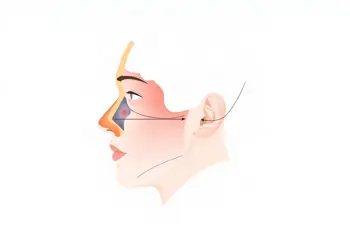
Steam Inhalation Therapy
Steam inhalation is a widely utilized method for temporary relief from the sensation of stuffiness and facial fullness 4. By breathing in warm, moist air, individuals may find that thick mucus loosens, providing a period of comfort 4. However, medical guidance emphasizes that steam serves as a supportive comfort measure rather than a treatment for the underlying cause, such as a bacterial infection 4. For safety, it is recommended to avoid leaning directly over boiling water, as there is a risk of thermal burns, especially among younger populations 4.
Physical Positioning and Localized Heat
Adjusting the body's position, specifically by elevating the head while resting, is a simple mechanical approach to prevent mucus from pooling within the sinus cavities overnight 5. When paired with the application of a warm, moist compress to the face, these methods can soothe facial tissues and alleviate the intensity of sinus-related headaches 5, 8. The application of warmth may help relax the facial musculature surrounding the eyes and cheeks, providing a subjective reduction in the feeling of tension 2.
Monitoring Symptoms and Clinical Thresholds
While many natural strategies are effective for temporary symptom management, persistent pressure requires clinical oversight to determine if an infection-bacterial, viral, or fungal-is the root cause 3. Medical professionals advise seeking evaluation if symptoms last beyond 10 days, or if they are accompanied by significant indicators such as high fever, severe swelling, vision changes, or worsening pain following an initial improvement period 2, 8. Distinguishing between simple congestion and more complex conditions is essential, as incorrect self-treatment can delay necessary care for structural or infectious issues 8.
Sources
- Harvard Health Publishing, What to do about sinusitis
- Acibadem Hospitals Group, How to Relieve Sinus Pressure in Face
- CVS, Ways to help manage sinus pressure
- Acibadem Hospitals Group, Steam Inhalation for Sinus Pressure
- Liv Hospital, How to Relieve Sinus Pressure Naturally at Home
- eHome Remedies, 17 Home Remedies For Sinus Congestion
- American College of Healthcare Sciences, 3 Holistic Remedies for Sinus Support
- CLS Health, How to Relieve Sinus Pressure: Home Remedies & Treatment
- Acibadem Hospitals Group, Sinus Pressure Without Congestion: Causes & Relief
- Prevention, The 1 Science-Backed Trick That Helps Relieve My Sinus Pressure
Authored by 24Trendz team