Kidney Disease Warning Signs: An Analytical Review of Clinical Indicators and Early Detection
Understanding the physiological markers associated with renal dysfunction is essential for early health intervention, as many individuals remain asymptomatic until the disease is advanced 1. Often referred to as a silent condition, chronic kidney disease (CKD) affects approximately one in seven adults in the United States, yet as many as nine out of ten individuals with the condition are unaware of their status 2, 3. This article explores the clinical signs, risk factors, and diagnostic pathways involved in identifying potential kidney health concerns.
The Silent Progression of Kidney Function Decline
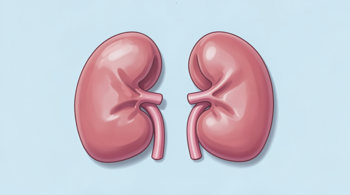
The kidneys are sophisticated organs responsible for filtering waste and excess fluid from the bloodstream, balancing essential minerals, and regulating blood pressure 4. Because the kidneys possess significant functional reserve, they can often maintain internal homeostasis even when partial damage has occurred 5. Consequently, physical symptoms frequently do not manifest until a substantial percentage of kidney function has been lost 6. Clinical experts note that it is possible to experience a loss of up to 90% of renal function before overt symptoms become apparent to the patient 7.
Risk factors for developing CKD are diverse and include conditions such as diabetes, hypertension, obesity, and a family history of renal disease 8. Given the asymptomatic nature of early-stage kidney disease, regular screening-specifically through blood tests measuring estimated glomerular filtration rate (eGFR) and urine tests measuring the urine albumin-to-creatinine ratio (uACR)-is the primary method for identifying damage before it progresses to irreversible stages 9.
Urinary Changes as a Primary Diagnostic Indicator
Changes in urinary habits and appearance are among the most frequently reported signs that warrant professional clinical evaluation 10. Foamy or bubbly urine, which often requires multiple flushes to clear, is a clinical indicator that protein-specifically albumin-is leaking into the urine, a condition known as proteinuria 11, 12. While occasional changes may be benign, persistent patterns are considered a standard indicator of potential glomerular damage 13.
In addition to consistency, frequency and coloration are notable variables. Patients may report an increased frequency of urination, particularly during nighttime hours 14. Furthermore, the presence of blood in the urine, sometimes described as appearing like diluted meat wash or having a discolored hue, requires urgent medical investigation to rule out various causes, ranging from localized infections to more serious structural issues 15, 16.
Systemic Manifestations: Edema and Fluid Retention
When the kidneys fail to effectively filter and remove excess water from the body, that fluid can accumulate in tissues, leading to a condition known as edema 17. This swelling is typically observed in the lower extremities, specifically the ankles and feet, though it may also manifest as puffiness around the eyes and eyelids 18. If fluid retention becomes severe and affects the lungs, it may lead to a condition known as pulmonary edema, which can cause shortness of breath 19.
| Indicator | Clinical Context |
|---|---|
| Ankle/Foot Swelling | Result of sodium retention and excess fluid volume. |
| Periorbital Puffiness | Swelling around the eyes due to protein loss or fluid buildup. |
| Pulmonary Edema | Severe accumulation of fluid in the lungs requiring immediate intervention. |
Metabolic and Hematologic Symptoms
As waste products and toxins build up in the bloodstream-a state referred to as uremia-the body experiences a range of systemic symptoms 20. Fatigue and a general sense of weakness are common, often exacerbated by anemia, which occurs because the kidneys are no longer producing sufficient erythropoietin, the hormone responsible for stimulating red blood cell production 21, 22. Patients may also describe a persistent metallic taste in their mouth, a common consequence of metabolic waste accumulation that can lead to a significant loss of appetite, nausea, or vomiting 23, 24.
Dermatological changes also serve as indicators of renal decline. Because the kidneys play a vital role in balancing blood chemistry, their dysfunction can lead to persistent dry and itchy skin 25. This is often a result of an imbalance in phosphorus and calcium levels within the body 26. Furthermore, electrolyte disturbances can manifest as frequent muscle cramps, particularly in the lower limbs, signaling the body's struggle to maintain stable mineral levels 27.
Risk Mitigation and Proactive Health Management
While some risk factors for kidney disease are genetic or age-related, others are modifiable through lifestyle adjustments and clinical management 28. High blood pressure and diabetes remain the two most common causes of chronic kidney disease in the United States 29. Consequently, maintaining strict control of blood sugar and blood pressure is the most effective approach for reducing the risk of renal injury 30. Individuals should also be aware of the long-term impact of certain medications, such as non-steroidal anti-inflammatory drugs (NSAIDs) or specific antibiotics, which may exhibit nephrotoxic properties if used improperly over extended periods 31.
Clinical Importance of Professional Evaluation
It is critical to note that the presence of any single symptom listed in this article does not definitively indicate kidney disease, as many of these signs can be associated with other medical conditions 32. Accurate diagnosis is only possible through professional consultation, blood analysis, and clinical diagnostic imaging 33. Early discovery allows for the implementation of therapeutic strategies that may slow the progression of renal damage, potentially delaying the need for more invasive treatments such as dialysis or a kidney transplant 34. Anyone with existing risk factors, including those with a family history or chronic health conditions, is encouraged to engage in routine screening as part of their standard healthcare maintenance 35.
Sources
- National Kidney Foundation: Signs and Symptoms of Kidney Disease
- Centers for Disease Control and Prevention: Chronic Kidney Disease Basics
- Mayo Clinic: Chronic Kidney Disease Symptoms and Causes
- UAMS Health: Kidney Awareness and Function
- Kidney Care UK: 10 Signs You May Have Kidney Disease
- Stony Brook Medicine: Kidney Disease Stages and Prevention
- Prevention: Subtle Kidney Disease Symptoms
- Vejthani Hospital: Warning Signs of Kidney Trouble
- National Kidney Foundation: Screening Guidelines
- Nephrology Associates of Northern Illinois and Indiana: Kidney Function Decline
- Mayo Clinic: Proteinuria and Kidney Function
- Kidney Care UK: Protein in Urine Analysis
- National Kidney Foundation: Foamy Urine Explained
- Healthline: Urinary Changes and Kidney Health
- Kidney Care UK: Hematuria and Renal Health
- Vejthani Hospital: Discolored Urine Indicators
- Cleveland Clinic: Chronic Kidney Disease Edema
- National Kidney Foundation: Swelling and Kidney Health
- Kidney Care UK: Pulmonary Oedema Risks
- The Kidney & Hypertension Center: Waste Accumulation and Uremia
- Johns Hopkins Medicine: Anemia and CKD
- Cleveland Clinic: Kidney Failure and Fatigue
- Medical News Today: Metallic Taste and Renal Failure
- UAMS Health: Nausea and Digestive Symptoms
- WebMD: Skin Itching and Kidney Disease
- Cleveland Clinic: Calcium and Phosphorus Imbalances
- MedlinePlus: Electrolyte Imbalance and Muscle Cramps
- Vejthani Hospital: Risk Factors for CKD
- NIDDK: Leading Causes of Kidney Failure
- American Heart Association: Blood Pressure and Kidney Health
- Prevention: Medications and Renal Toxicity
- Kidney Care UK: Diagnostic Variability
- Cleveland Clinic: Diagnostic Testing for Kidney Failure
- UAMS Health: Treatment Goals for Kidney Disease
- National Kidney Foundation: Importance of Routine Screening
Authored by 24Trendz team