Common indicators of Endometriosis: A Clinical Overview of Symptoms and Evaluation
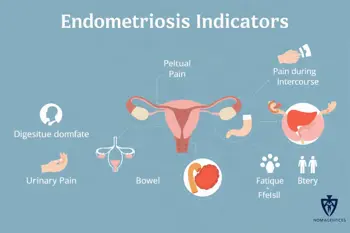
Common indicators of Endometriosis include pelvic pain linked to menstruation, painful periods, pain during sexual intercourse, bowel or bladder discomfort, and difficulty becoming pregnant. Symptoms can occur in combination or appear independently, and their intensity does not necessarily reflect the physical stage of disease. 1
Pelvic pain and painful periods
Pelvic pain is the most commonly reported indicator of endometriosis. Painful menstrual periods, medically described as dysmenorrhea, may begin before bleeding starts and continue for several days. Descriptions can include severe cramping, stabbing sensations, or a persistent ache in the lower abdomen, pelvis, or back. Pain may also occur between periods, rather than being limited to menstruation. 2 4
Menstrual discomfort becomes more clinically concerning when it is severe enough to interfere with school, employment, daily activities, or ordinary movement. Some people report vomiting, fainting, or requiring urgent medical attention during painful episodes, although symptoms differ substantially between individuals. A normal ultrasound also does not necessarily exclude endometriosis, because some lesions may not be visible on routine imaging. 6
Pain during sex and chronic symptoms
Pain during or after vaginal penetration, known as dyspareunia, is part of the classic symptom pattern associated with endometriosis. The pain may be deep within the pelvis and can persist after intercourse. Its presence may reflect the location of endometriosis-like lesions, inflammation, or involvement of pelvic structures. Not every person with endometriosis experiences sexual pain, and its absence does not rule out the condition. 1 2
Pelvic pain can become chronic and continue throughout the month rather than following a strictly menstrual pattern. Symptoms may also fluctuate around ovulation, menstruation, or periods of increased inflammation, while some people report no consistent cycle. The degree of pain does not reliably correspond with the extent or stage of disease, meaning substantial symptoms may occur with limited visible disease and vice versa. 1 5
Bowel-related indicators
Endometriosis affecting tissue near the intestine may be associated with painful bowel movements, a symptom called dyschezia. Discomfort may become more noticeable during menstruation, particularly when lesions involve the rectum, sigmoid colon, or nearby pelvic structures. Constipation, diarrhea, nausea, and abdominal bloating are also reported, although these symptoms overlap with other gastrointestinal conditions and cannot independently establish an endometriosis diagnosis. 1 2
Severe bloating may be especially noticeable around a period, and bowel symptoms can occur alongside cramping or deep pelvic pain. Because digestive symptoms may resemble irritable bowel syndrome and other disorders, clinicians generally consider their timing, recurrence, relationship to menstruation, and association with pelvic or sexual pain. Persistent or disruptive bowel symptoms warrant clinical assessment rather than being attributed automatically to menstrual discomfort. 2 8
Bladder symptoms and bleeding patterns
Painful urination, called dysuria, can occur when endometriosis affects or lies near the bladder or urinary tract. Urinary discomfort may be cyclical and more prominent around menstruation, but symptoms can also occur outside the menstrual period. Less common disease locations include the bladder, ureters, and other pelvic structures, so urinary pain should be evaluated for multiple possible causes. 1 9
Heavy menstrual bleeding and bleeding between periods are additional reported clinical indicators. However, bleeding patterns vary, and endometriosis is not defined solely by unusually heavy flow. New, persistent, or disruptive bleeding may have causes other than endometriosis, including conditions affecting the uterus, ovaries, or hormonal system. Clinical evaluation is important when bleeding occurs with severe pain, bowel symptoms, urinary symptoms, or reduced quality of life. 10 5
Fertility difficulties and related effects
Difficulty becoming pregnant can be associated with endometriosis and is sometimes the symptom that leads to investigation. Endometriosis may involve the ovaries, fallopian tubes, pelvic lining, or tissues surrounding reproductive organs. Infertility is not present in every case, and pregnancy can occur in people with endometriosis, so fertility status alone cannot confirm or exclude the condition. 1 7
Fatigue, nausea, constipation, diarrhea, and bloating may accompany pain and can affect daily functioning. The combined effect of recurring pain, sleep disruption, digestive symptoms, and fertility concerns may reduce health-related quality of life. These broader effects are clinically relevant even when symptoms are not limited to menstruation, because endometriosis may produce chronic inflammatory symptoms as well as cyclical discomfort. 2 7
How indicators are assessed
Evaluation generally begins with a detailed symptom history covering menstrual timing, pain location, severity, bowel and bladder symptoms, sexual pain, bleeding, fertility concerns, and effects on daily activities. A pelvic examination may provide supportive findings, while transvaginal ultrasound or magnetic resonance imaging can help identify certain forms of disease, including ovarian endometriomas or deeper lesions. 1 3
Current clinical guidance recognizes that endometriosis may be diagnosed and treated initially from characteristic symptoms and examination findings, without requiring immediate surgical confirmation in every case. Laparoscopy can directly visualize lesions and may include biopsy, but it is not automatically necessary for a clinical diagnosis. Delays remain common, partly because symptoms overlap with gastrointestinal, urinary, and other gynecological conditions. 1 3 8
Sources
- Merck Manual Professional Edition, Endometriosis
- Cleveland Clinic, What It Feels Like to Have Endometriosis
- American College of Obstetricians and Gynecologists, Diagnosis of Endometriosis
- nib, Endometriosis 101: Signs and Symptoms
- Acibadem Hospitals Group, Endometriosis Symptoms Explained
- Providence Swedish, Endometriosis Pain and Diagnosis Guidance
- American College of Obstetricians and Gynecologists, New Endometriosis Clinical Guidance
- Medical News Today, New Guidelines and Endometriosis Diagnosis
- Guideline Genius, Endometriosis Diagnosis and Management
- General research source summary, clinical indicators of endometriosis
Authored by 24Trendz team