All Inclusive Mexico Vacations: A Consumer Guide to Destinations, Inclusions, and Travel Considerations
All-inclusive Mexico vacations are generally structured around resort stays where meals, drinks, and selected activities are incorporated into the accommodation rate. An all-inclusive package may additionally combine flights, lodging, and transfers, so the terms should not be treated as interchangeable when comparing travel arrangements.1
How all-inclusive arrangements are structured
An all-inclusive vacation commonly covers the room, meals, beverages, and some resort activities, although each property defines its own inclusions and exclusions. A package can add round-trip airfare and airport transportation at one combined price. Room category, occupancy, travel dates, length of stay, taxes, and transfer arrangements can all change the total cost, meaning an advertised figure is not a universal market price.12
- Potentially included: accommodation, scheduled dining, selected drinks, and resort activities.1
- Potentially separate: airfare, private transfers, premium beverages, specialty restaurants, excursions, or certain resort services.1
- Important comparison points: cancellation rules, occupancy limits, restaurant reservations, adults-only policies, family policies, and resort fees.1
Major destination profiles
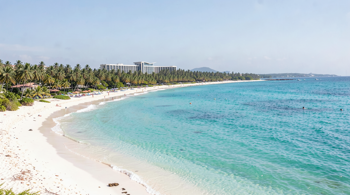
Mexico's principal all-inclusive regions provide materially different settings. Cancun and Riviera Maya occupy the Caribbean coast and are associated with white-sand beaches, turquoise water, resort zones, Mayan sites, cenotes, and access to Playa del Carmen and Tulum. Los Cabos combines desert scenery with the Sea of Cortez, while Puerto Vallarta and Riviera Nayarit pair Pacific beaches with Sierra Madre landscapes, local culture, and a slower coastal atmosphere.34
| Destination | Commonly associated characteristics |
|---|---|
| Cancun | Caribbean beaches, resort-zone activity, snorkeling, and access to Mayan attractions.2 |
| Riviera Maya | Beach resorts, cenotes, jungle settings, Tulum, and archaeological tourism.3 |
| Los Cabos | Desert coastlines, boating, El Arco, whale watching, hiking, and resort pools.24 |
| Puerto Vallarta and Riviera Nayarit | Pacific beaches, cobblestone streets, art, mountains, and cultural experiences.26 |
Family and adults-only considerations
Family-oriented properties in Mexico are designed for multiple age groups and may support multigenerational travel involving parents, children, and grandparents. Riviera Maya offers a combination of beaches, cenotes, and ruins, while Riviera Nayarit and Punta Mita provide wider beaches and jungle views. Adults-only properties instead emphasize couples, quiet environments, dining, nightlife, and spa experiences, with eligibility rules that vary by hotel.45
- Families should examine room occupancy, connecting-room availability, children’s programming, pool rules, and dining hours.4
- Adults-only resorts may impose minimum-age requirements and may structure activities around relaxation, nightlife, or couples’ travel.5
- Multigenerational groups should assess accessibility, transfer times, room layouts, and activity suitability before selecting a property.4
Dining, service, and resort quality
“All-inclusive” does not establish a uniform service or dining standard. Property-level differences can be substantial. Grand Velas Riviera Maya, for example, reports eight restaurants, a Michelin-starred Cocina de Autor, a Forbes Five-Star SE Spa, and AAA Five Diamond recognition, while other resorts may offer simpler dining formats and fewer included services. Awards are useful context, but they do not replace checking current menus, reservation requirements, and what the rate actually covers.7
- Specialty restaurants can require advance reservations or carry restrictions on access.1
- Premium drinks, spa treatments, excursions, and certain activities may fall outside the standard rate.1
- Guest reviews and hotel directories can help compare locations, amenities, and traveler experiences, but conditions can change by date and property.161718
Documents, taxes, and health planning
U.S. citizens generally need a valid passport book for air travel to Mexico, while passport-card use is primarily associated with eligible land and sea travel under applicable Western Hemisphere rules. U.S. tourists generally do not need a Mexican visa for tourism, but Mexican immigration authorities determine the permitted stay at entry. Travelers should also review routine vaccinations and destination-specific health guidance before departure.8910
- Confirm passport validity and entry-document requirements through official government or airline guidance.813
- Review food, water, vaccination, and other health recommendations for the specific itinerary.10
- Eligible international visitors to Quintana Roo should verify the current Visitax amount and payment process through the official state portal.12
Weather, security, and booking friction points
Mexico is not a single uniform travel environment, so conditions should be assessed by state and destination. The Caribbean coast is exposed to Atlantic hurricane-season conditions from June 1 through November 30. Official travel guidance also recommends reviewing the situation in the specific Mexican state and using appropriate personal-security precautions. Travel dates, cancellation terms, airport transfers, and insurance can therefore matter as much as the resort’s advertised amenities.811
- Weather risk: Caribbean itineraries require awareness of hurricane-season conditions and possible disruption.11
- Security: consult destination-specific government advisories rather than applying a single national assumption.8
- Operational details: compare transfer arrangements, cancellation deadlines, restaurant access, resort fees, and exclusions in writing.1
- Market variation: package totals change with dates, room type, occupancy, airfare, taxes, and whether transfers are included.115
Sources
- Travelodeal, “Mexico All Inclusive Vacations: A Complete Guide for Canadians”
- Blue Planet Vacations, “All-Inclusive Mexico Deals”
- WestJet Vacations, “Mexico Vacation Packages”
- Condé Nast Traveler, “The Best Family Resorts in Mexico”
- Expedia, “Mexico Adults Only Vacations”
- Travelzoo, “Mexico Vacation Package Deals”
- Grand Velas Riviera Maya, official resort information
- U.S. Department of State, Mexico travel information
- U.S. Customs and Border Protection, Western Hemisphere Travel Initiative
- Centers for Disease Control and Prevention, Mexico traveler health
- National Oceanic and Atmospheric Administration, tropical cyclone climatology
- Visitax Quintana Roo, official portal
- IATA Travel Centre
- Visit Mexico, official tourism information
- Expedia, all-inclusive vacations
- Hyatt, all-inclusive hotel directory
- Marriott All-Inclusive
- Tripadvisor, Mexico all-inclusive hotels
Authored by 24Trendz team