Simple ways to manage occasional heartburn naturally: A clinical overview of lifestyle and dietary strategies
Understanding the Mechanics of Occasional Heartburn
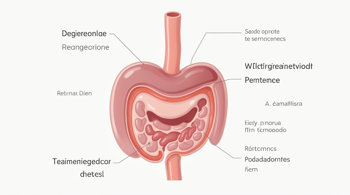
Heartburn is a physical sensation caused by the reflux of stomach acid, bile, or food particles into the esophagus 6. This discomfort typically occurs when the lower esophageal sphincter (LES)-a muscular valve that acts as a gatekeeper between the stomach and the esophagus-fails to close properly after food or drink enters the stomach 2, 6. When this valve remains open, gastric contents can travel upward, irritating the lining of the esophagus and causing a distinct burning feeling behind the breastbone 1, 4, 7. While occasional episodes are common, medical research suggests that understanding the underlying triggers is essential for effective symptom management 4, 5.
Dietary Modifications and Trigger Avoidance
Managing the frequency of heartburn often begins with identifying and avoiding specific dietary triggers. Common substances linked to increased reflux include high-fat or fried foods, spicy meals, chocolate, caffeine, alcohol, peppermint, tomatoes, and citrus products 7, 8. Beyond specific food choices, the volume of intake plays a significant role; consuming large meals increases internal pressure on the stomach, which can force the LES open 7. Opting for smaller, more frequent meals throughout the day may reduce this mechanical pressure and provide relief for some individuals 5, 8.
Posture and Timing Strategies for Symptom Relief
Gravity serves as a natural barrier to acid reflux, making post-meal posture a critical consideration. Experts recommend remaining upright for at least two to three hours after eating to allow the stomach to empty properly before lying down 5, 8. When reclining at night, the risk of acid reflux increases, particularly if meals were consumed shortly before bedtime 6, 7. Elevating the head of the bed by 6 to 8 inches-using a foam wedge or by raising the head of the bed frame-is often more effective than using additional pillows, which may only elevate the head rather than the entire upper torso 8.
Lifestyle Adjustments to Reduce Abdominal Pressure
Chronic or occasional acid reflux is frequently linked to elevated pressure within the abdomen. Maintaining a healthy body weight is a key factor, as excess adipose tissue in the abdominal region can exert pressure on the stomach, contributing to the backflow of acid 7, 8. Furthermore, nicotine exposure through smoking is known to cause the LES to relax, which compromises its ability to prevent gastric acid from entering the esophagus 2. Addressing these lifestyle variables is often considered a first-line defense before exploring other intervention methods 4.
Evaluating Common Home Remedies
Various home remedies are frequently suggested for heartburn, though their clinical utility varies. Chewing sugar-free gum after meals is one method that may assist, as it promotes saliva production, which helps wash acid back into the stomach 8. However, it is important to avoid mint-flavored varieties, as peppermint can relax the LES and potentially worsen symptoms 8. Baking soda (sodium bicarbonate) is sometimes utilized as an immediate, temporary antacid due to its alkaline nature, yet it is not recommended for chronic use, especially in individuals with sodium restrictions, heart disease, or kidney conditions 8, 9.
When to Seek Professional Medical Evaluation
While lifestyle adjustments are effective for occasional symptoms, it is vital to distinguish these from more serious digestive conditions like gastroesophageal reflux disease (GERD) or other underlying health issues 5, 6. Professional medical assessment is necessary if heartburn occurs more than twice a week, or if symptoms are accompanied by warning signs such as severe chest pain, difficulty or pain when swallowing, unexplained weight loss, black stools, or persistent vomiting 4, 8. Persistent chest pain, especially when paired with shortness of breath, sweating, or pain radiating to the jaw or arm, requires immediate emergency medical attention, as these symptoms can mimic cardiac events 7, 8.
Sources
- Harvard Health - What's the best way to manage occasional heartburn?
- Verywell Health - Heartburn Treatment: Natural Antacids, Medication, Prevention
- Mayo Clinic - Heartburn: Diagnosis & treatment
- Franciscan Health - Home Remedies For Heartburn
- Acibadem Hospitals Group - Heartburn Remedies: A Complete Medical Overview
- Yahoo Health - 9 Natural Home Remedies for Heartburn That Work Fast
- CLS Health - How to Get Rid of Heartburn Naturally
- Jeena Sikho HiiMS Kanpur - 5 Natural Home Remedy for Heartburn Relief
- Acibadem Hospitals Group - How Much Baking Soda For Heartburn? Safe Guidance
Authored by 24Trendz team