Effective ways to manage nasal congestion naturally: A comprehensive review of clinical insights and evidence-based home care
Nasal congestion, characterized by a persistent stuffy sensation and difficulty breathing through the nose, often arises from inflammatory responses rather than mere mucus accumulation 1, 6. When the lining of the nasal passages experiences inflammation due to viruses, allergens, or environmental irritants, the surrounding blood vessels dilate, restricting airflow and creating the sensation of blockage 2, 5. Managing these symptoms effectively requires addressing both the inflammation and the physical obstruction through methods that support the body's natural recovery process 1.
Physiological Drivers of Nasal Congestion
Understanding why congestion occurs is fundamental to selecting appropriate management strategies. The condition is primarily caused by an immune system response that leads to swelling in the nasal tissues 5, 6. When exposed to common cold viruses, seasonal allergens, or structural issues like polyps or a deviated septum, the delicate capillaries within the mucus membranes engorge with blood 2, 5, 7. This process narrows the nasal passages, making airflow turbulent and uncomfortable 2, 6.
While many individuals reach for over-the-counter decongestants, clinical literature advises caution regarding their prolonged use. Decongestant nasal sprays, for instance, can induce a rebound effect known as rhinitis medicamentosa if used for more than three to five days, potentially worsening the original symptoms 1, 9. Furthermore, certain oral medications may carry risks for individuals with underlying conditions such as hypertension, heart disease, or diabetes, prompting a broader interest in natural, non-pharmacological approaches to relief 9.
Hydration and Environmental Modifications
Maintaining adequate hydration remains a primary recommendation for facilitating easier drainage of accumulated mucus 2. Consuming sufficient fluids helps thin the consistency of nasal secretions, allowing for more efficient clearing of the airways 2. While hydration does not directly target the underlying source of inflammation, it serves as a foundational support measure during the recovery phase for both viral and allergic congestion 1.
Environmental management also plays a critical role in alleviating symptoms. The use of a cool-mist humidifier can provide significant comfort, particularly in dry climates or during winter months when indoor heating reduces air moisture 4. However, maintenance of these devices is essential; they must be cleaned regularly to prevent the growth and subsequent aerosolization of mold, bacteria, and other environmental contaminants 4, 12.
The Role of Saline Irrigation
Saline nasal irrigation is widely recognized in medical literature as a safe and effective evidence-based remedy 1, 3. Utilizing a neti pot, squeeze bottle, or battery-operated system, this method physically flushes out allergens, irritants, and excess mucus from the nasal cavities 3, 4. Beyond mechanical clearance, it is reported to help reduce the severity and duration of congestion associated with colds and sinus infections 3.
Safety regarding water quality for irrigation is paramount. Regulatory bodies consistently advise the use of distilled, sterile, or previously boiled and cooled water to avoid the transmission of serious, potentially fatal, waterborne infections 4, 5. Hygiene of the irrigation device after each use is similarly critical to ensure the process does not reintroduce contaminants into the nasal passages 5.
Temperature-Based Relief Strategies
Thermotherapy, specifically in the form of steam and warm compresses, can offer immediate, albeit temporary, relief for sinus pressure and discomfort 4. Inhaling warm, moist air helps soothe irritated nasal tissues and encourages drainage 4. A warm shower is often recommended as the safest method for steam inhalation, as direct exposure to boiling water in bowls or containers poses a high risk of preventable burn and scald injuries 4, 11.
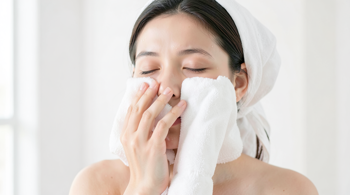
Applying a warm, moist cloth to the face is another targeted way to address local sinus pressure. This method helps dilate nasal vessels slightly and provides a sense of relief from the heavy, foggy sensation often associated with sinus congestion 2, 8. Coupled with the practice of sleeping with the head slightly elevated, these physical measures can reduce the pooling of blood in nasal tissues during the night, facilitating better sleep quality 2, 10.
Avoiding Irritants and Managing Triggers
For individuals whose congestion is linked to allergic rhinitis or chronic irritation, identifying and minimizing exposure to triggers is essential 1. Common allergens such as dust mites, pollen, pet dander, and mold can incite an ongoing inflammatory response in the nasal lining 2, 7. Reducing indoor concentrations of these allergens through cleaning protocols and air filtration can help decrease the frequency and intensity of congestion episodes 7, 9.
Non-allergic triggers, such as cigarette smoke, vaping aerosols, and strong chemical fragrances, act as direct irritants to the respiratory system 8. Avoiding these environments is a proactive strategy for those prone to sensitive nasal linings. In many cases, eliminating the irritant source is the most effective way to allow the nasal mucosa to recover and return to its normal state 6.
When to Consult a Healthcare Professional
While most cases of nasal congestion are benign and self-limiting, specific clinical signs necessitate a professional evaluation. If symptoms persist for more than 10 days without improvement, or if they initially improve but subsequently worsen, a medical professional should be consulted to rule out secondary bacterial infections or structural abnormalities 2, 5. Severe symptoms, such as high fever, intense facial pain, breathing difficulties, or bloody nasal discharge, also warrant prompt clinical attention 1, 2. Vulnerable populations, including young children, older adults, and those with compromised immune systems, are advised to seek professional guidance before initiating new home-based treatments 1.
Sources
- Acibadem Hospitals Group: Stuffy Nose Remedy Explained by Medical Evidence
- University of Rochester Medicine: Congested Relief and Guidance
- Harvard Health Publishing: Nasal Irrigation for Winter Colds
- Everyday Health: Natural Decongestants and Home Remedies
- NewYork-Presbyterian Hospital: How to Treat Nasal Congestion
- Klarity Health: Home Remedies for Nasal Congestion
- Loyola Medicine: Sinus Relief Toolkit
- eHome Remedies: 17 Home Remedies for Sinus Congestion
- Prevention Magazine: Science-Backed Sinus Relief
- Woman's World: Natural Remedies for Stuffy Nose
- American Burn Association: Burn Prevention Fact Sheets
- American Lung Association: Indoor Air Pollutants and Humidifiers
Authored by 24Trendz team