Apple cider vinegar tablets supporting weight loss and plant-based formulation details: An Evidence-Based Consumer Analysis
Apple cider vinegar tablets supporting weight loss and plant-based formulation details are often presented as a convenient way to obtain acetic acid without the sour taste of liquid vinegar. Product descriptions commonly connect these tablets with digestion, metabolism, appetite control, and weight management, although clinical evidence for significant weight loss remains limited and inconsistent. 1 2
What apple cider vinegar tablets contain
Apple cider vinegar, or ACV, is produced by fermenting apples and converting alcohol into acetic acid. Tablet manufacturers generally dry or concentrate the fermented vinegar into a powder before placing it in a tablet or capsule. The amount listed on a label may refer to total ACV powder rather than the quantity of acetic acid, so those figures are not automatically equivalent. 2 7
Examples in the supplied market data show substantial formulation variation. SwissLife Forever lists 750 mg of ACV with vitamins B6 and B12 in watermelon-flavored effervescent tablets, while Neuherbs describes 500 mg of plant-based ACV with the mother in vegan tablets. Other examples list 500 mg of ACV alongside pomegranate, beetroot, biotin, vitamin C, B6, and B12. 11 12 13
What the evidence says about weight management
Research on vinegar intake suggests possible short-term effects on satiety and blood-glucose responses, but these findings do not establish that ACV tablets produce substantial or sustained weight loss. The cited clinical literature concerns vinegar consumption and metabolic outcomes, and it does not automatically confirm that every powdered or effervescent tablet has the same effect. 1 7
Consumer health reviews describe ACV as a possible adjunct to dietary habits rather than a replacement for nutrition, activity, sleep, or medical care. Claims that tablets increase fat burning, dramatically accelerate metabolism, or independently cause weight reduction should therefore be treated cautiously. The available evidence is more compatible with modest, uncertain support than with a standalone weight-loss intervention. 2 4
How plant-based formulations differ
Plant-based labeling usually refers to the source of the active ingredients and the absence of animal-derived components such as gelatin. Vegan supplement capsules may use vegetable cellulose, while tablets can contain plant-based excipients or binders such as rice-derived materials. However, the phrase plant-based does not by itself verify vegan certification, manufacturing quality, acetic-acid content, or clinical effectiveness. 6 8
Additional ingredients are used to create differentiated formulas. The supplied examples include ginger, cayenne, turmeric, cinnamon, moringa, nagarmotha, pomegranate, pineapple, beetroot, chromium, probiotics, and B vitamins. VitaBright describes a complex containing ACV, five Lactobacillus strains, and spice extracts, while VitaminExpress lists ACV powder with turmeric, ginger, cayenne, a postbiotic, and chromium. 14 15
Effervescent tablets, capsules, and the mother
Effervescent tablets are dissolved in water before consumption, which can make them easier to take than liquid vinegar and may avoid direct exposure to undiluted vinegar. Supplied product instructions commonly describe one tablet dissolved in a glass of water, often in the morning or before meals. These directions are product-specific and should not be generalized across brands or formulations. 13 16
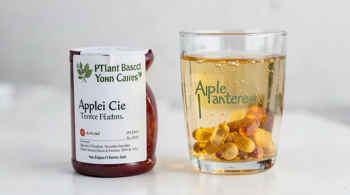
The term the mother generally describes the cloudy material associated with unfiltered vinegar, including fermentation-related compounds. Some products emphasize its presence as a distinguishing feature, but the label does not necessarily quantify its biological activity or prove a superior weight-management effect. Dantares, Neuherbs, and VitaBright each use mother-related language in different formats, illustrating that terminology is not standardized across the category. 12 14 17
Safety, tolerability, and medication concerns
Concentrated vinegar products may cause digestive discomfort, throat irritation, or other irritation if taken incorrectly. Tablet and capsule forms can be particularly concerning if they lodge in the esophagus or are swallowed without enough fluid. Taking a product with a full glass of water is commonly advised to reduce irritation, but this does not eliminate all risk. 4 5
ACV may also be unsuitable for some people, including individuals with digestive conditions, swallowing difficulties, or medication-related concerns. Vinegar can affect blood-glucose management, and formulas containing chromium, cayenne, or multiple botanical extracts introduce additional considerations. Anyone using diabetes medicines, diuretics, or other long-term treatments should obtain professional guidance before adding a concentrated supplement. 2 5 9
How to assess labels and claims
A useful label review begins with the exact ACV amount, serving size, acetic-acid percentage if provided, full inactive-ingredient list, allergen statement, and recommended use. It is also important to distinguish “vegan,” “vegetarian,” “plant-based,” “non-GMO,” and “third-party tested,” because these terms describe different attributes. A manufacturing certification can support process controls, but it does not prove weight-loss efficacy. 6 9
Regulatory oversight is another important limitation. The FDA regulates dietary supplements differently from pharmaceutical medicines, and manufacturers generally cannot rely on the same premarket approval process used for drugs. Market examples make claims involving detoxification, blood sugar, immunity, fat burning, or metabolism, but those statements should be evaluated against the ingredient quantities, supporting evidence, and applicable local labeling rules. 3 9
What consumers can realistically expect
The most realistic expectation is a taste-free or flavored delivery format that may fit more easily into a daily routine than liquid vinegar. Some products provide only ACV, while others add vitamins, fruit extracts, spices, probiotics, or minerals. Such additions may change the nutritional profile and tolerability, but they also make it harder to identify which ingredient is responsible for any perceived effect. 2 14 15
ACV tablets should be viewed as optional supplements rather than primary weight-loss tools. Sustainable weight management depends on broader dietary and behavioral patterns, while the available ACV evidence remains limited. Checking the serving instructions, avoiding excessive intake, using adequate water, and discussing interactions with a qualified clinician are more reliable safeguards than relying on aggressive claims about rapid results or guaranteed metabolic changes. 1 2 4
Sources
- National Institutes of Health, PubMed: Clinical studies on vinegar intake and satiety or blood-glucose responses
- Cleveland Clinic: Expert review of apple cider vinegar benefits and limitations
- U.S. Food and Drug Administration: Dietary supplement regulation
- Johns Hopkins Medicine: Safety concerns associated with concentrated vinegar
- Healthline: Apple cider vinegar pills and common added ingredients
- NSF International: Supplement certification and quality practices
- Harvard Health Publishing: Evidence review of apple cider vinegar diets
- WebMD: Consumer information on apple cider vinegar sourcing and use
- Consumer Reports: Consumer guidance on dietary supplements
- Nutrition Business Journal: Market information on vegan-labeled supplements
- SwissLife Forever: Apple Cider Vinegar Effervescent Tablets with Vitamins B6 and B12
- Herbkart: Neuherbs Plant Based Apple Cider Vinegar With Mother Tablets
- Sainebio: Apple Cider Vinegar Effervescent Tablets with pomegranate, beetroot, and B vitamins
- VitaBright: Apple Cider Vinegar Complex with probiotics and botanical extracts
- VitaminExpress: Apple Cider Vinegar Complex with turmeric, ginger, cayenne, postbiotic, and chromium
- Steadfast Nutrition: Apple Cider Vinegar effervescent tablet directions and formulation details
- Dantares Supplements: Apple Cider Vinegar tablets with the mother
Authored by 24Trendz team